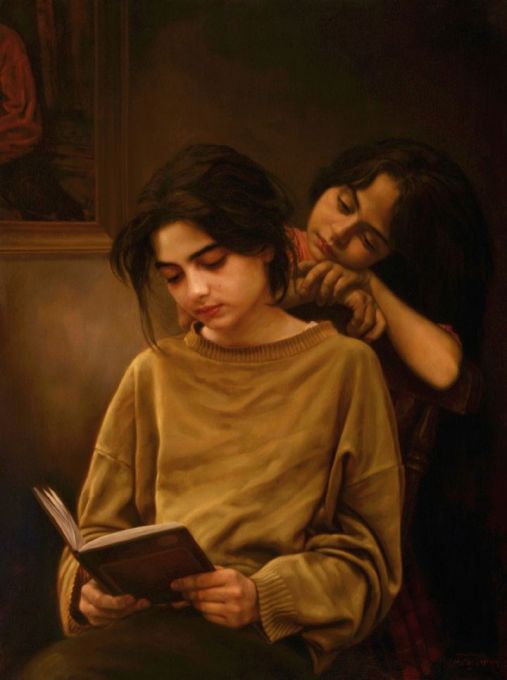
Maria Zeldis | July 09 2024, 01:00

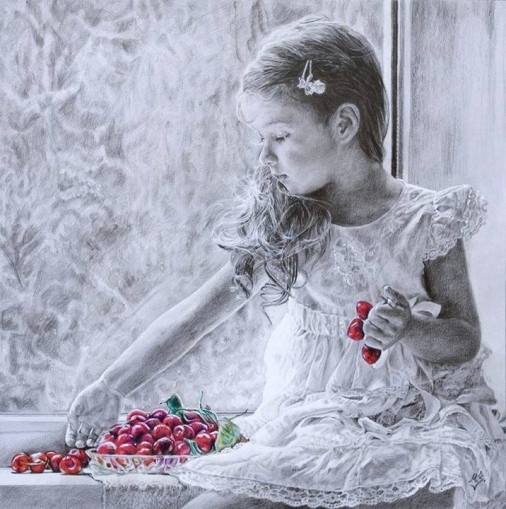
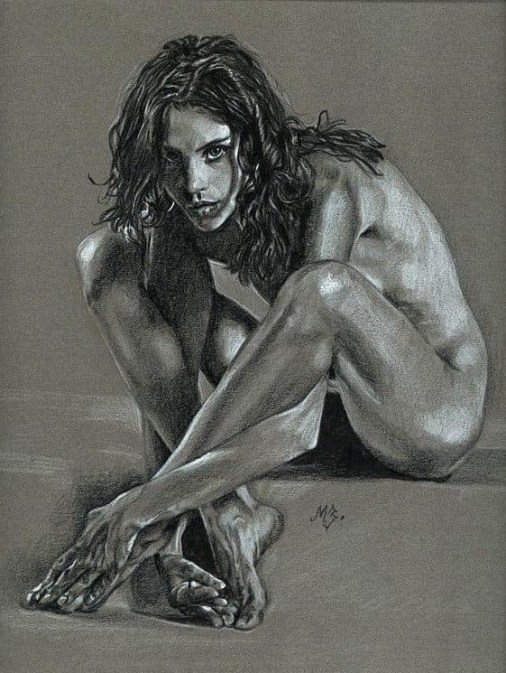
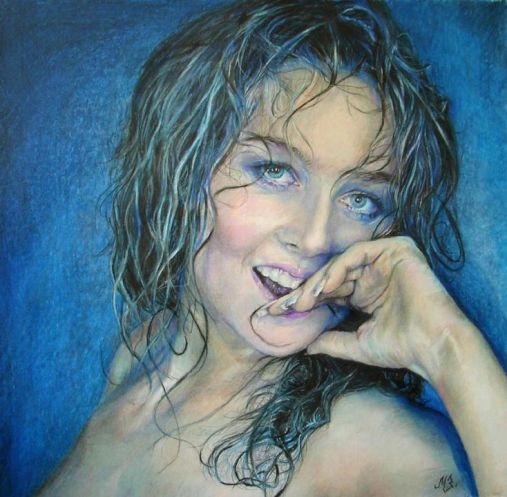
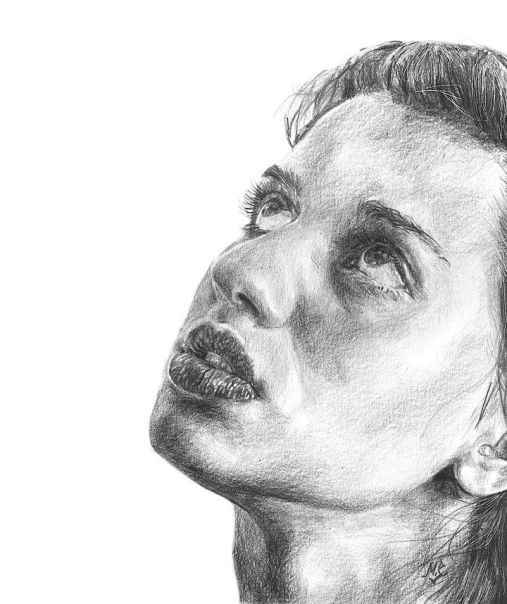
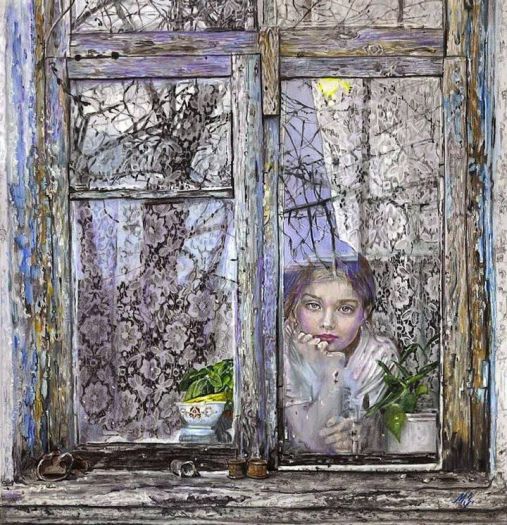
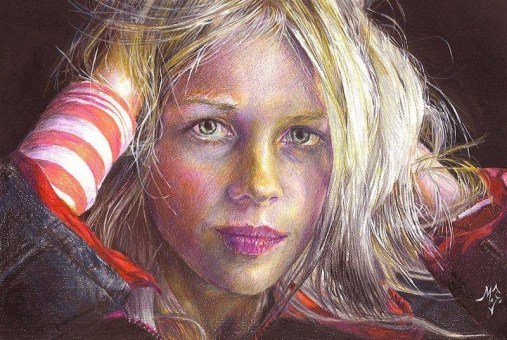
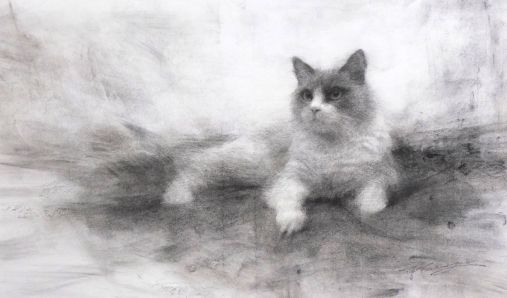
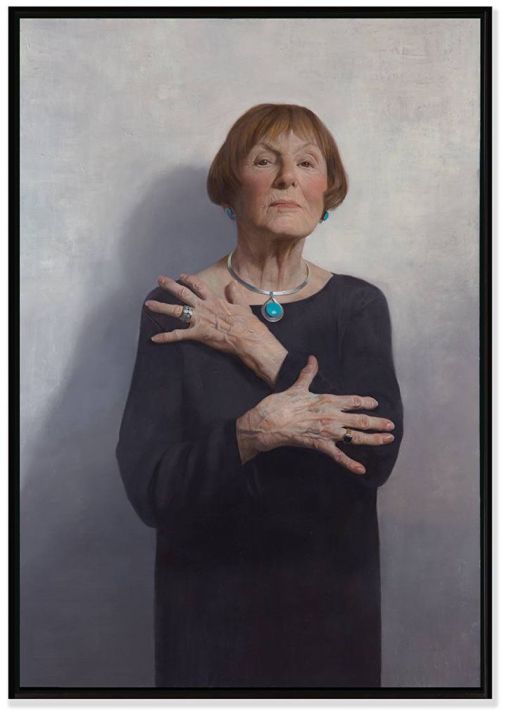
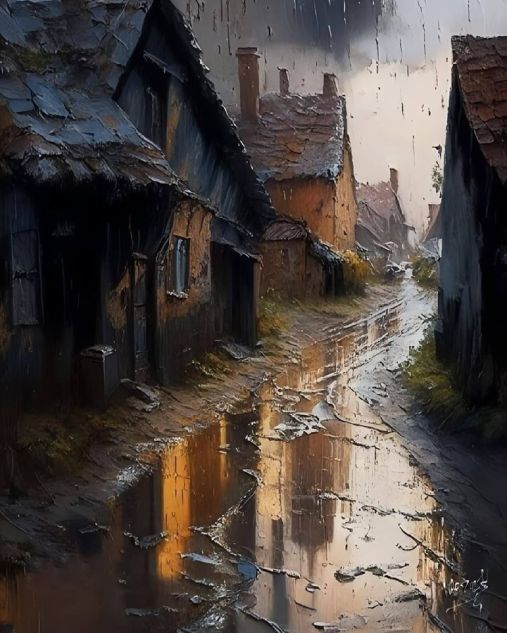
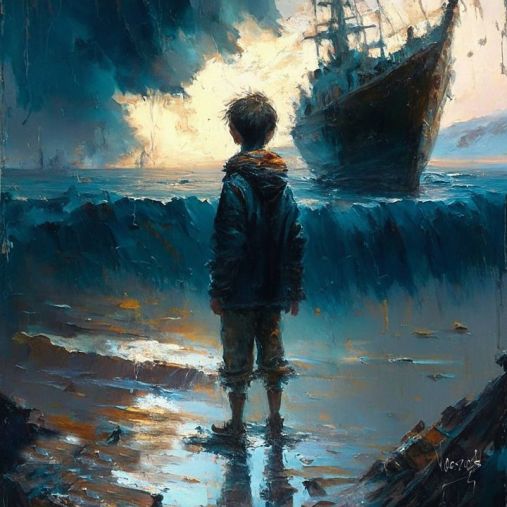
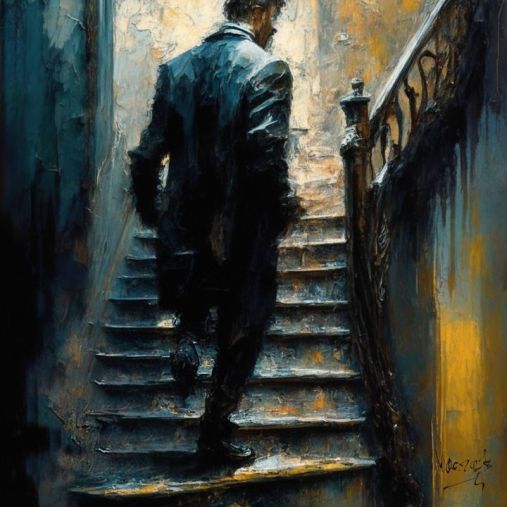
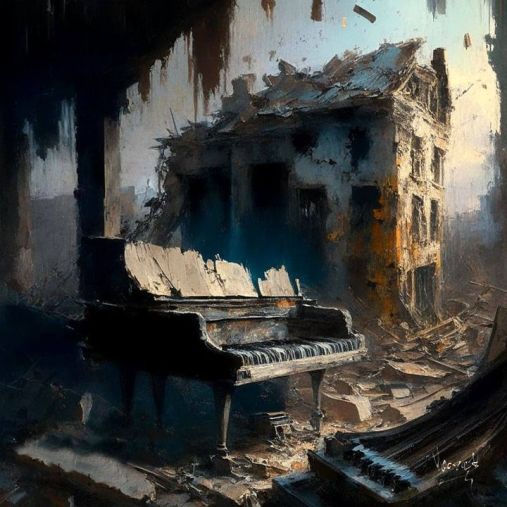
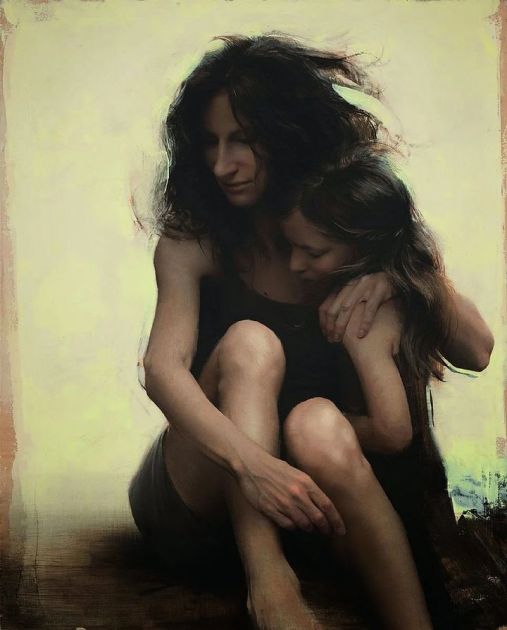
Maria Zeldis, an artist, was born exactly 69 years ago on July 8, 1955, in Kyiv, where she received her professional musical education. She is a pianist, and her husband, who was once her father’s student, is a violinist. One day, he was offered a job with the symphony orchestra in Mexico City, and since then, Maria and her husband have lived and worked in the “land of cacti.” She never studied painting and only picked up a pencil for the first time after the age of forty. Drawing for her is a hobby she has been pursuing for just over 10 years. However, her twin sister, a nun at the Kyiv Frolovsky Monastery, is a professional icon painter.

Maria created her works using simple pencil, ink, and pastel.

In 2018, she passed away in a car accident. She left a portfolio on DeviantArt under the nickname zeldis.

I remind you that similar posts are grouped under the tag #artrauflikes, and all 94 can be found in the “Art Rauf Likes” section on beinginamerica.com (unlike Facebook, which forgets (neglects) nearly half of them).

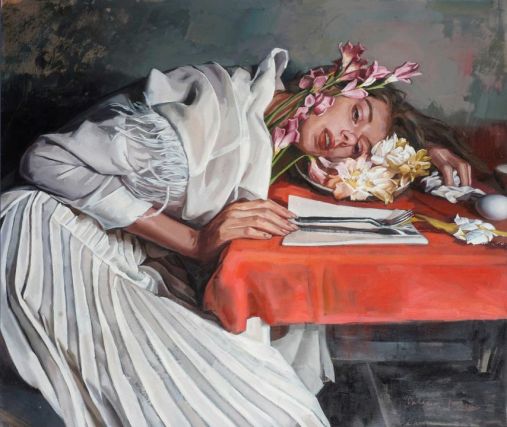
Valeria Duca | July 07 2024, 18:11

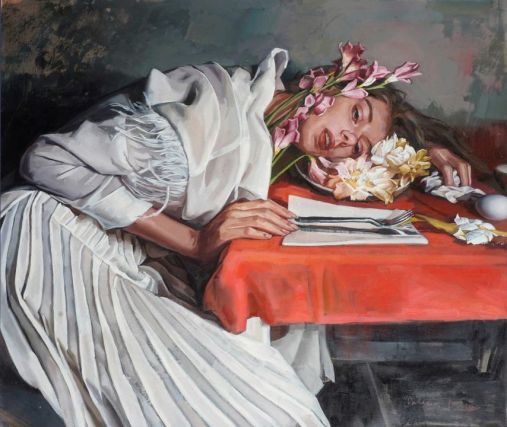
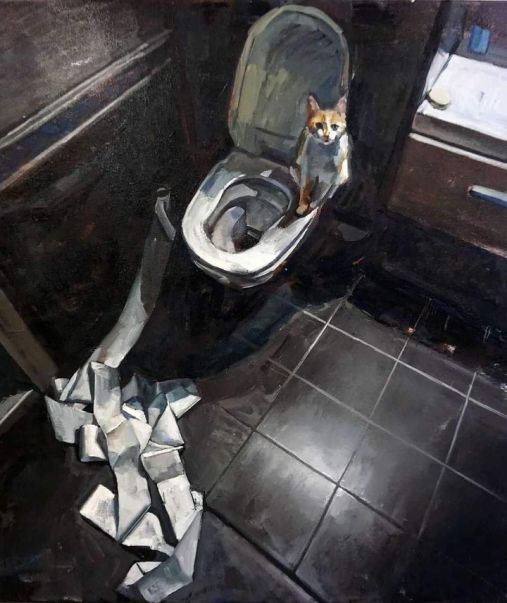
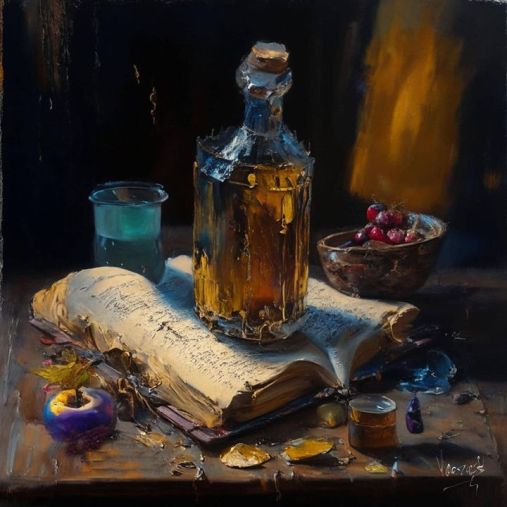
Valeria Duca is a very strange but interesting young Moldovan artist (1994). Her Instagram is valeria_duca. How can her style be characterized? There are abstractions and surrealism, but perhaps the overall word for all of them is “strange.” At the same time, the strangeness is pleasant.

“If there is anything constant in my work, it is that I always use oil paint, from the very first day. Everything else has always changed. I started with abstraction, had periods of landscapes, still lifes, portraits. I even tried my hand at conceptual art installation. I don’t want to succumb to the pressure of ‘defining my artistic style.’ I hope I continue to evolve, I hope I don’t become predictable and defined by one constant.”

The first painting in this series is called “Friday Evening.”

I remind you that similar posts are grouped under the hashtag #artrauflikes, and on beinginamerica.com in the “Art Rauf Likes” section, you can find all 93 (unlike Facebook, which forgets/ignoses almost half).

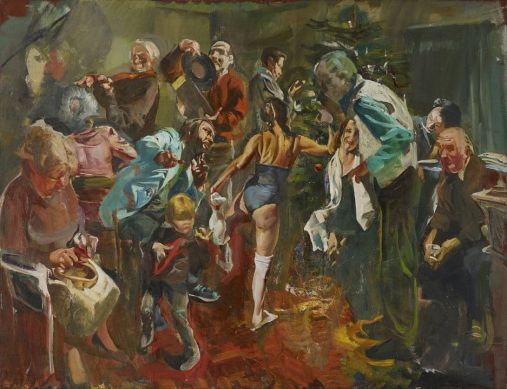
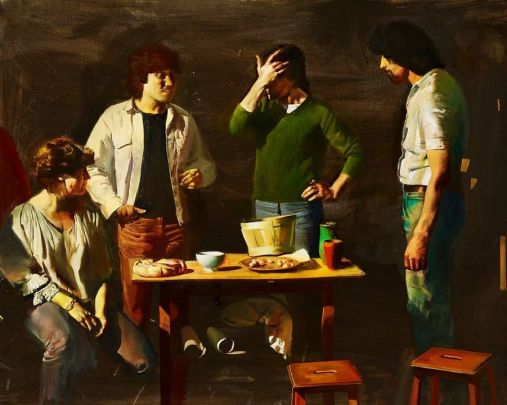
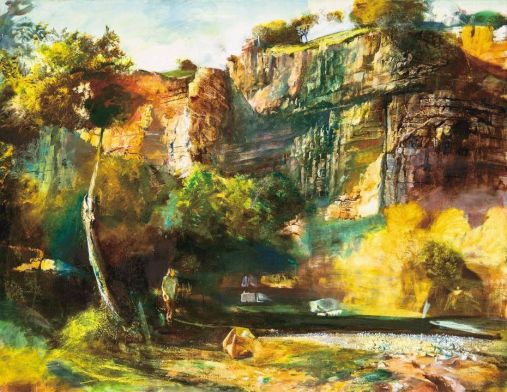
Tibor Csernus | June 28 2024, 12:55

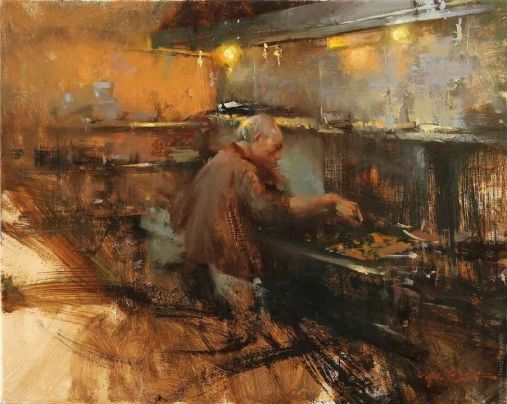
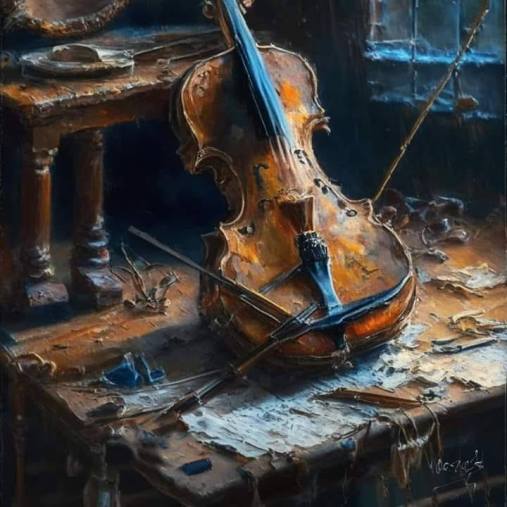
Tibor Csernus (1927-2007) — oh, here we have a whole blend of postmodern neo-Caravaggism with a touch of post-impressionism and avant-garde. By the way, yesterday, June 27, was his birthday. He may not be a very well-known artist, but he is certainly remarkable, wouldn’t you agree?

I remind you that similar posts are grouped under the hashtag #artrauflikes, and on beinginamerica.com in the “Art Rauf Likes” section, you can find all 93 (unlike Facebook, which forgets/ignores almost half).

Hsin-Yao Tseng | June 26 2024, 22:21

I will respond as a world-renowned art historian, specializing in contemporary artists, and recipient of the prestigious National Art Critics Award.

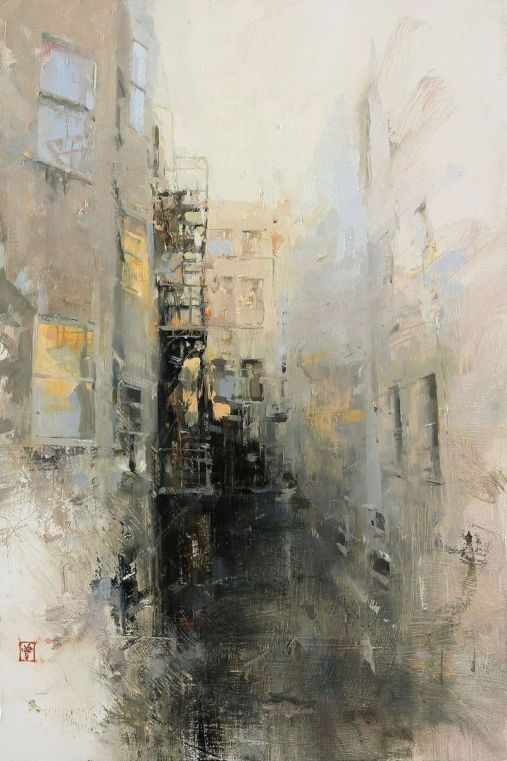
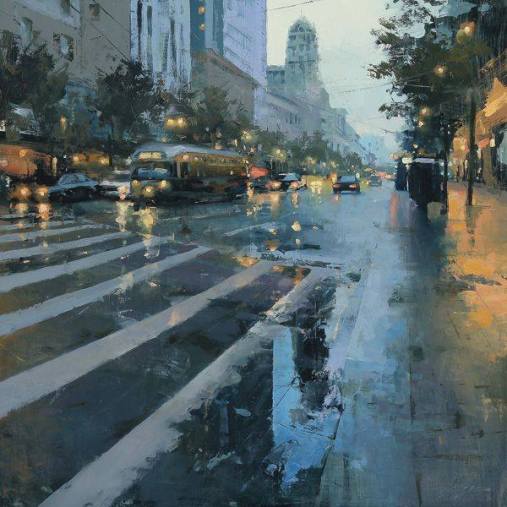
Today we will discuss the Taiwanese-American artist Hsin-Yao Tseng, who currently lives in San Francisco. His art primarily explores two themes: urban landscapes and portraits. A common trait in all of Hsin-Yao Tseng’s portraits is the absence of smiles; each subject appears deeply contemplative. Similarly, his urban scenes seldom reflect a positive ambiance. Notably, his charcoal drawings stand out as extraordinary. Indeed, inspired by his technique, I purchased some charcoal today to experiment with it myself.

For your information, posts like this are grouped under the tag #artrauflikes. You can access all 92 entries on beinginamerica.com in the “Art Rauf Likes” section—a contrast to Facebook, which fails to display nearly half of them.

David Jon Kassan | June 21 2024, 17:08

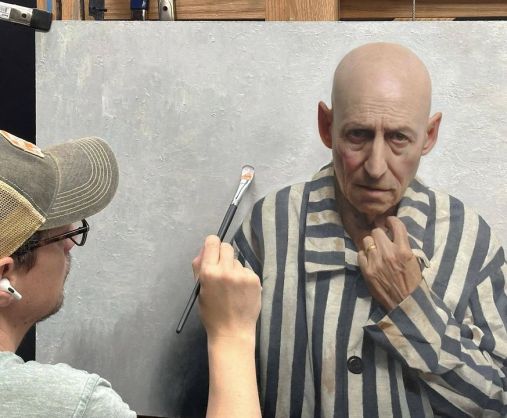
Over the past five years, artist David Jon Kassan has been documenting the testimonies of Holocaust survivors worldwide, both through paintings and recorded interviews. In this collection, I am including other paintings as well.

I would like to remind you that such posts are grouped under the tag #artrauflikes, and all 90 of them can be found in the “Art Rauf Likes” section on beinginamerica.com (unlike Facebook, which overlooks nearly half of them).
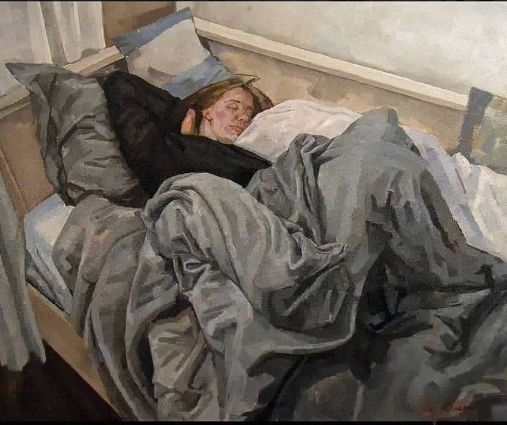
Alexis Le Borgne| June 21 2024, 00:35

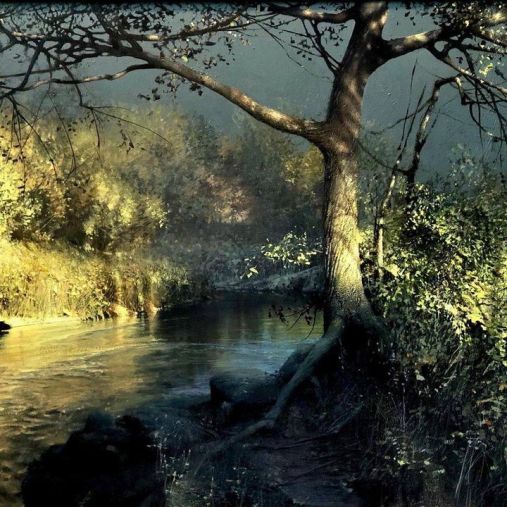
Alexis Le Borgne is a French artist and graphic designer of Vietnamese descent. He successfully engages in traditional and digital painting, including watercolor, pastel, and oil. He works as a Concept Artist at Ubisoft on the Beyond Good & Evil II project. His works are outstanding.

Remember that similar posts are grouped under the tag #artrauflikes, and on beinginamerica.com in the “Art Rauf Likes” section, all 89 posts can be found (unlike Facebook, which neglects almost half of them).

Zsigmond Istvan | June 19 2024, 18:46

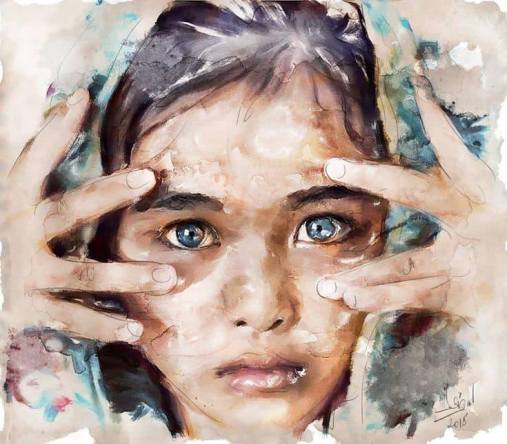
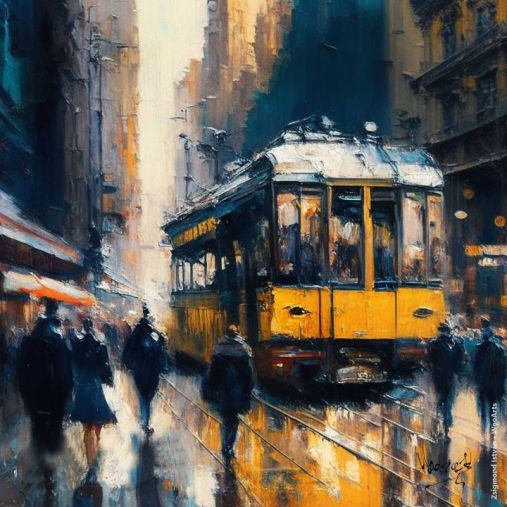
Zsigmond Istvan, a Hungarian artist, is the first in my series on digital artists. He might also be the last. It’s not that I have any particular stance on digital art; it’s just that with the advent of AI, it has become increasingly difficult to discern what truly goes into the creation of a piece. Zsigmond created his works before the arrival of tools like Midjourney, and he undoubtedly possesses talent, skills, and abilities at a level that seems almost otherworldly to me. It is noteworthy that his paintings roughly fall into two categories: violet-yellow with deep shadows and watercolor emulations. Personally, I prefer the watercolor emulations. He himself says that he “invented” a technique that uses traditional watercolor in combination with digital painting. The details of this technique are not disclosed.

I remind you that similar posts are grouped under the hashtag #artrauflikes, and all 88 can be found in the “Art Rauf Likes” section on beinginamerica.com (unlike Facebook, which overlooks almost half of them).

Exploring Max Ginsburg’s Signature Style and the Art of Museum Visits | June 19 2024, 02:37

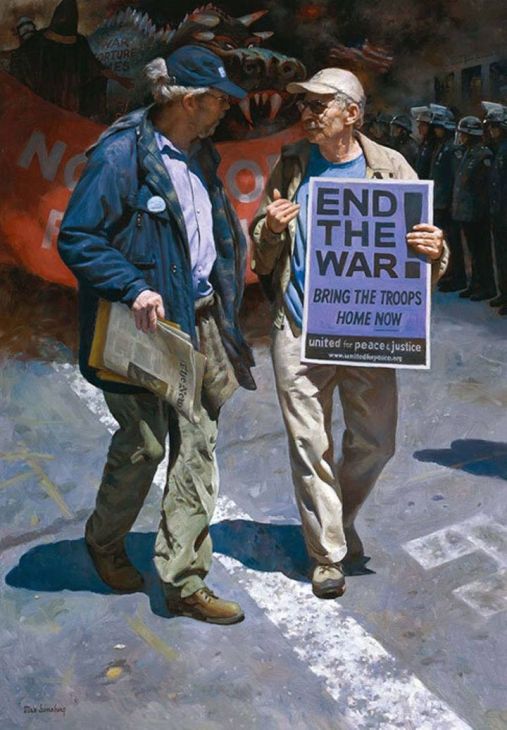
Today, meet Max Ginsburg. He paints the everyday life of New York streets. His works vary greatly in mood, but notice that they all have the same “signature.”

It’s a fascinating exercise to find common elements in different works by the same artist. Not in the sense that if everyone, including women, looks like Putin, it’s Jan van Eyck; if there are huge backsides, it’s Rubens; if you see an Excel sheet with colored areas, it’s Mondrian, etc. But rather in the technique, brushstrokes, color, how contrast is conveyed, and so on. Unfortunately, these nuances are not always visible in digital reproductions.

I’ve long sought an engineer’s answer to why visit museums when everything is available online. Of course, someone who visits museums willingly probably doesn’t ask this question anymore. But still, let me explain. In past centuries, painting techniques often included the use of opaque pigments to create a monochrome underpainting (grisaille), over which layers of transparent colored glazes were applied (a varnish diluted to transparency with a lacquer-based medium, slightly tinted with pigments). This achieved depth of color and subtle transitions. The result was something like a very thin colored glass over a monochrome image. Light falling on it would reflect within this layer and become tinted. Such an effect can’t even be closely replicated in a photograph or on a computer screen.

Max Ginsburg’s technique doesn’t fall into this category, but his work conveys something no photograph can. And yes, his painting is very American. That too is part of his recognizable style.

Remember, similar posts are grouped under the tag #artrauflikes, and all 87 can be found on beinginamerica.com in the “Art Rauf Likes” section (unlike Facebook, which forgets about almost half of them).
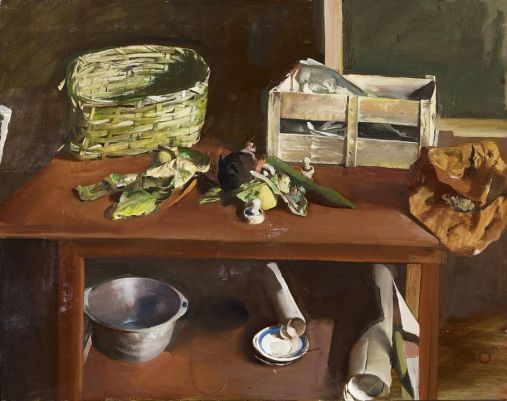
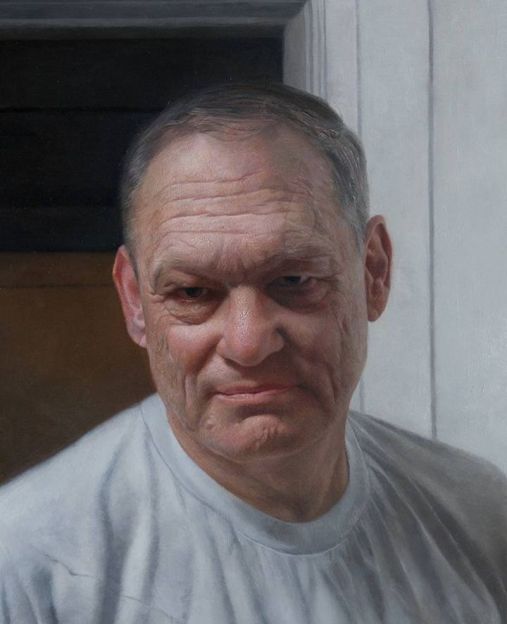
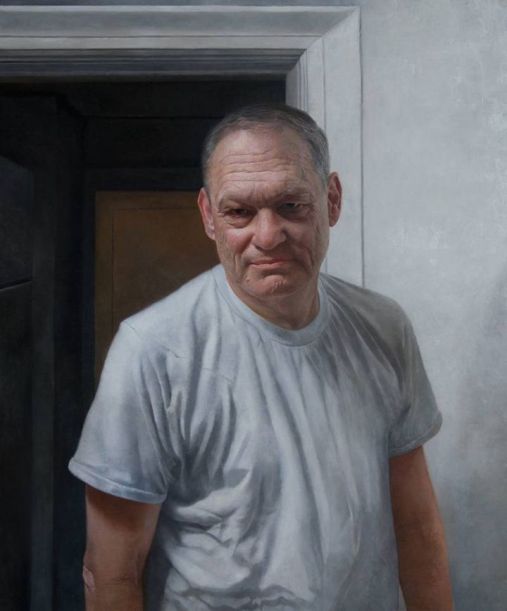
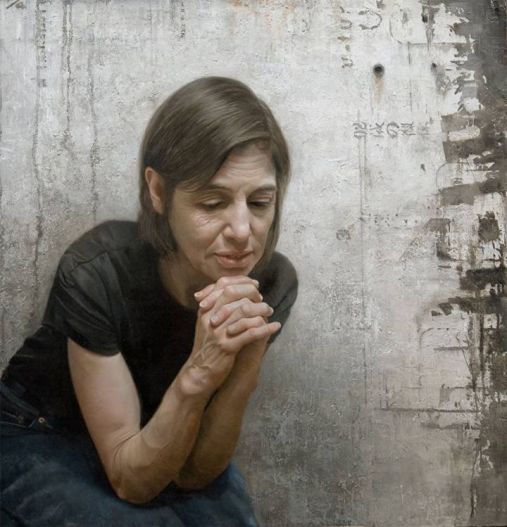
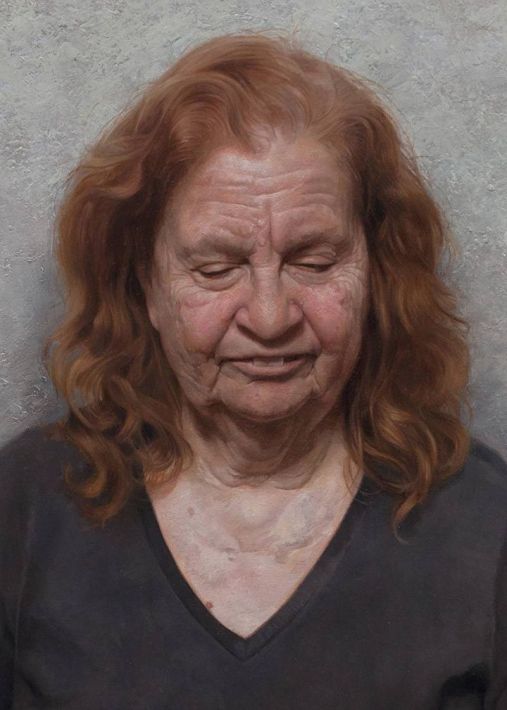
Daniel Sprick | June 17 2024, 20:12

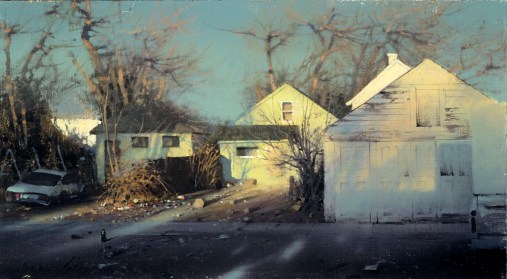
Meet Daniel Sprick (born 1953), an American artist. Yes, it’s hyperrealism again, but with a unique twist. His works deserve a closer look. If they were photographs and not oil paintings, they would still classify as art fit for the finest museums.

Remember that similar posts are compiled under the tag #artrauflikes, and on beinginamerica.com you can find all 86 posts in the “Art Rauf Likes section, unlike Facebook, which tends to forget (or clutter) nearly half.

Iman Maleki | June 16 2024, 14:05

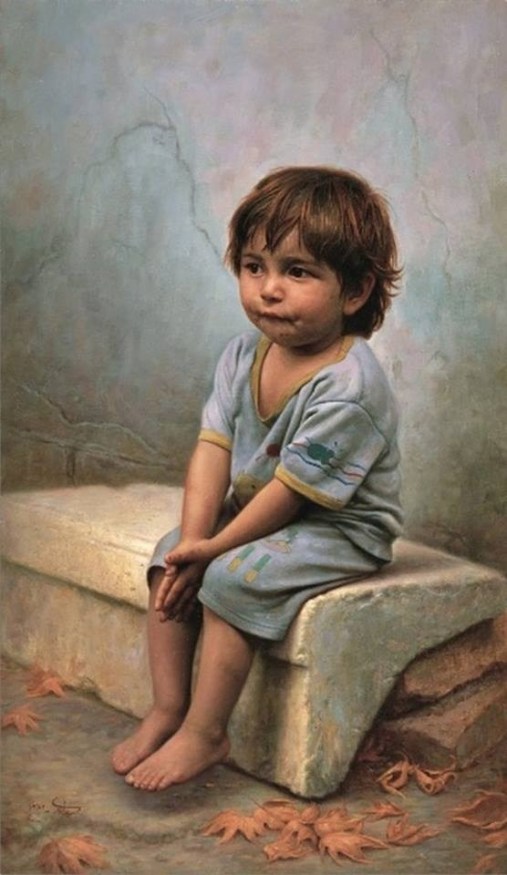
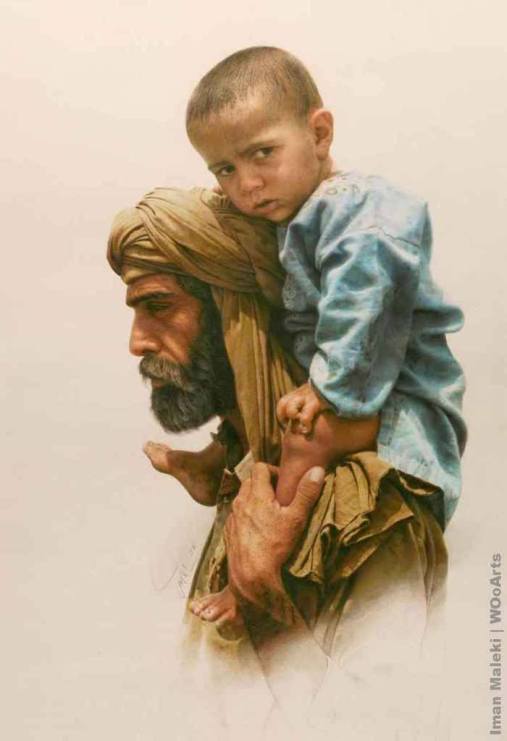
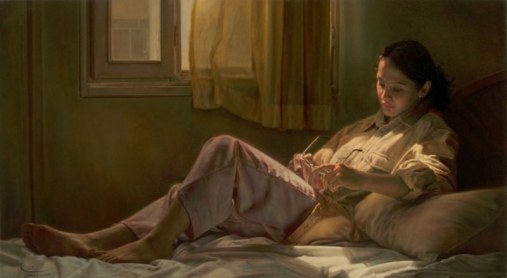
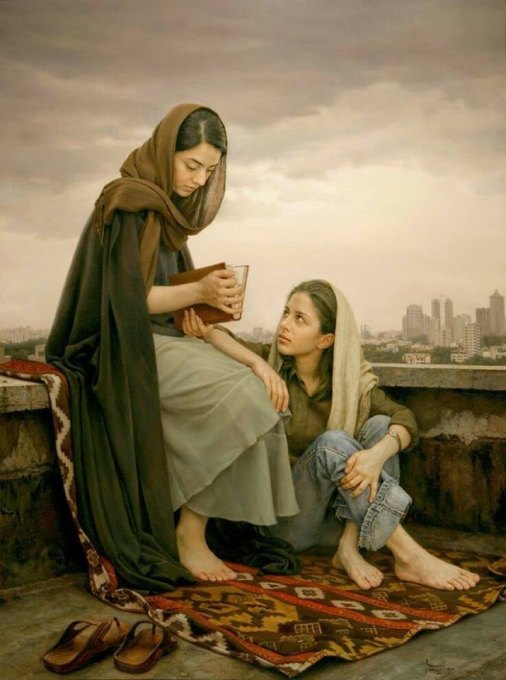
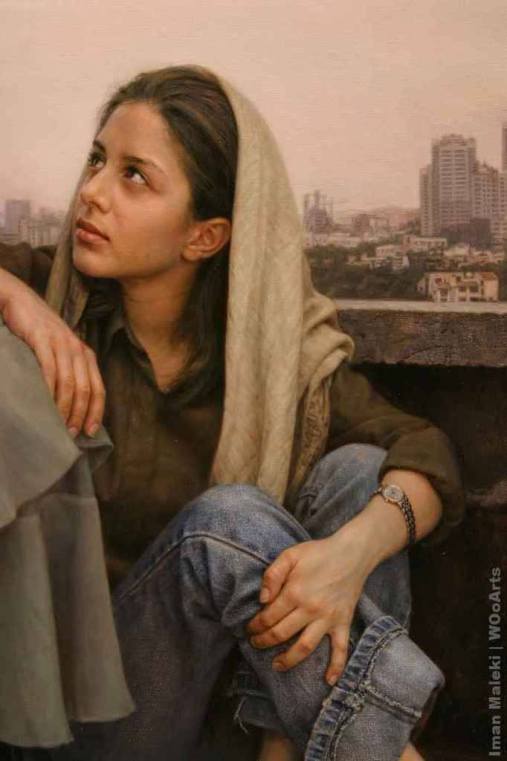
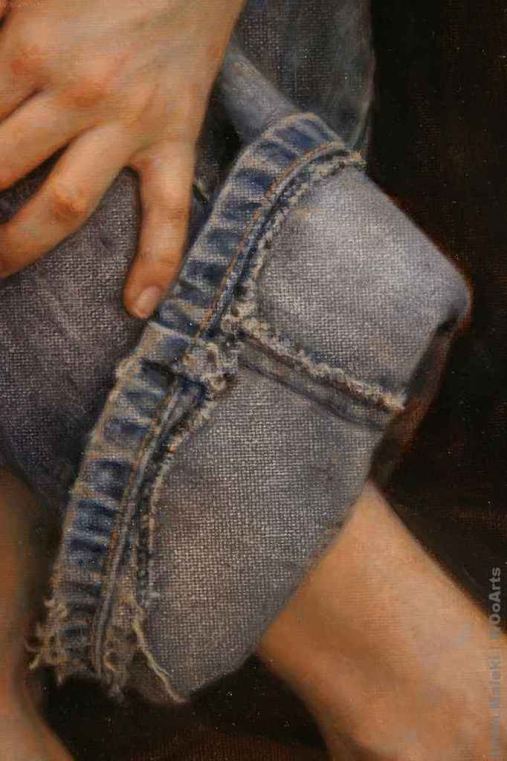
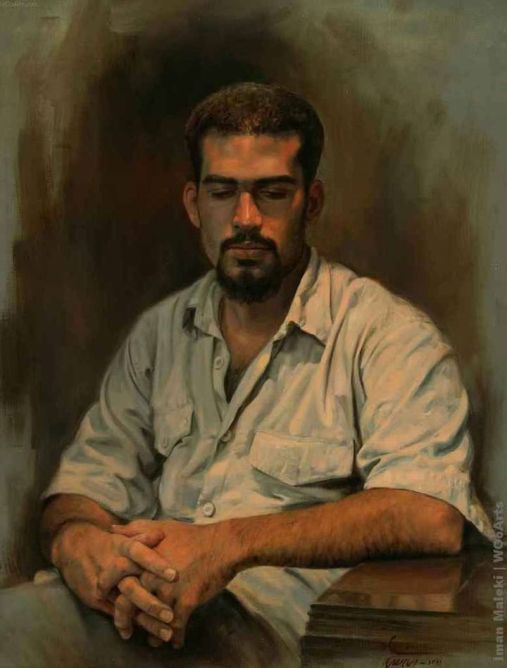
Today, I’m introducing you to the Iranian artist Iman Maleki (born in 1976). Since we’re delving into photorealism, he serves as an excellent example.

I remind you that similar posts are grouped under the hashtag #artrauflikes, and on beinginamerica.com, in the “Art Rauf Likes” section, you can find all 85 posts (unlike Facebook, which forgets about nearly half of them).