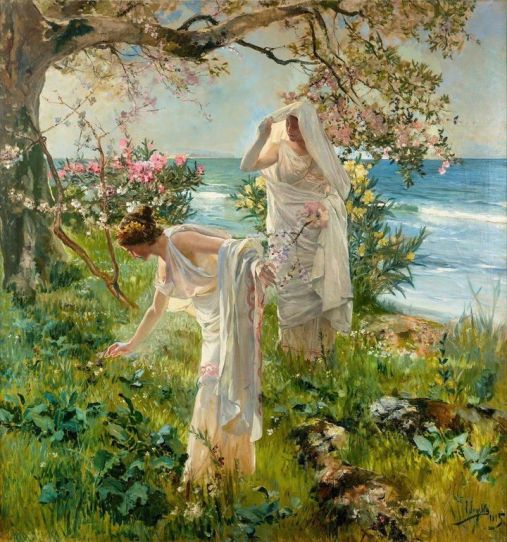
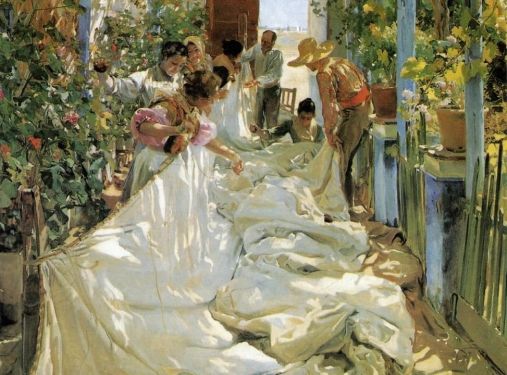
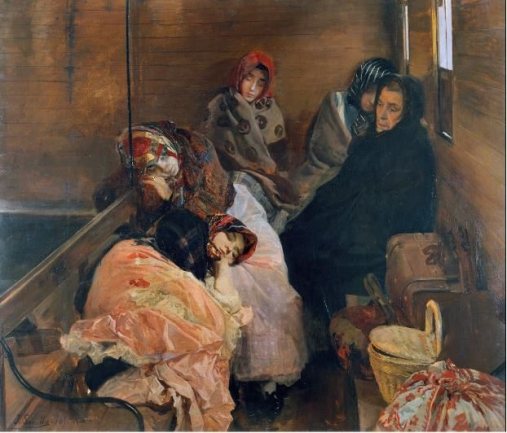
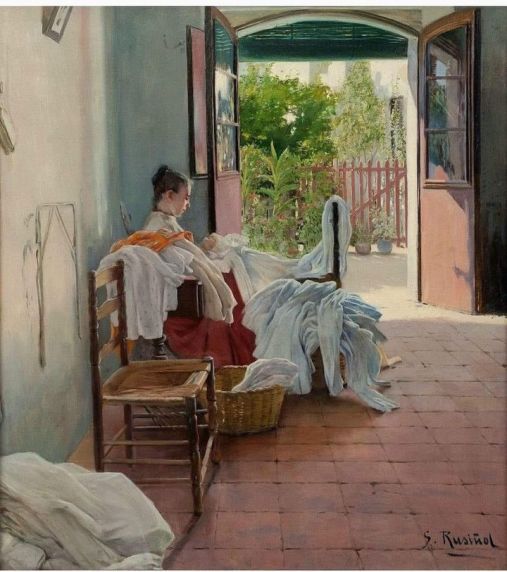
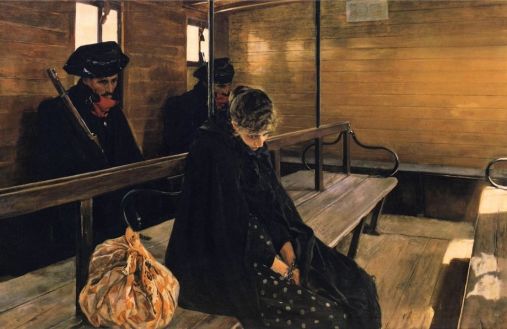
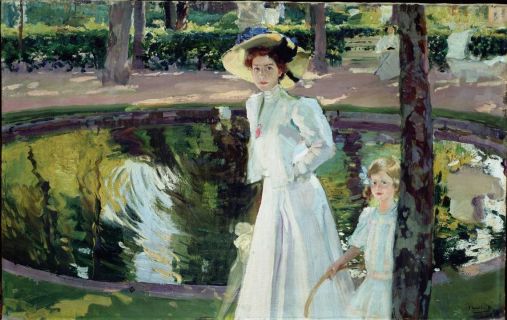
Another very cool artist whom I cannot fail to mention in my collection is Joaquin Sorolla (1863-1923), a Spanish impressionist painter. He was distinguished by his extraordinary creative energy and left behind over 2000 works. Almost all of his paintings are “quick” ones.
For some reason, his works feature a lot of white fabric in various forms. And look at how positive and joyful they all are, full of life and sunshine—in contrast to the works of other Spanish artists like Goya, Velázquez, or El Greco.
I remind you that similar posts are grouped under the tag #artrauflikes, and on beinginamerica.com in the “Art Rauf Likes section, you can find all 72 (as of now) posts (unlike Facebook, which forgets (ignores) almost half of them).
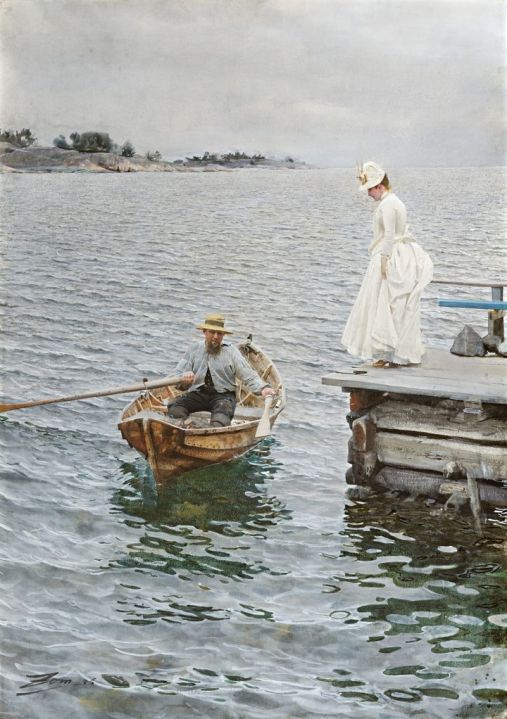
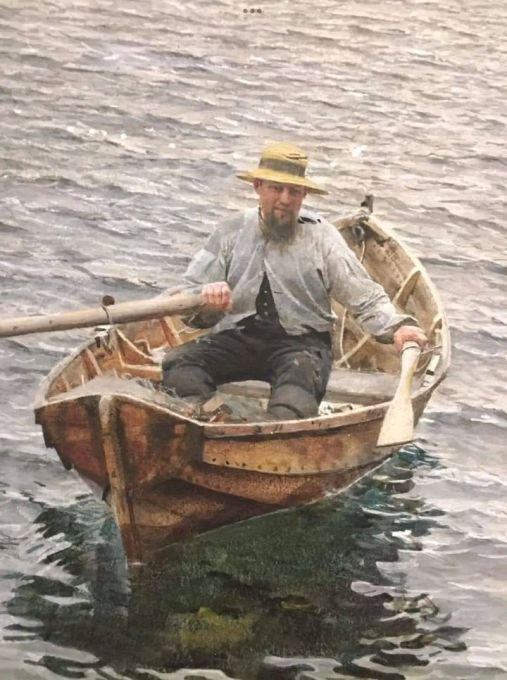
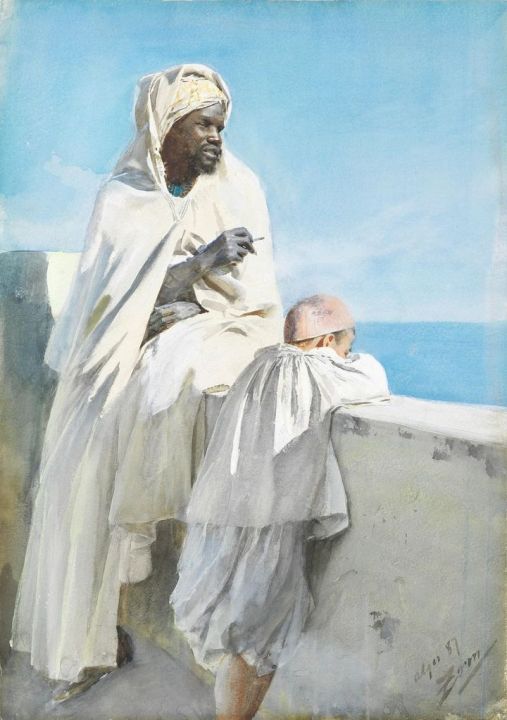
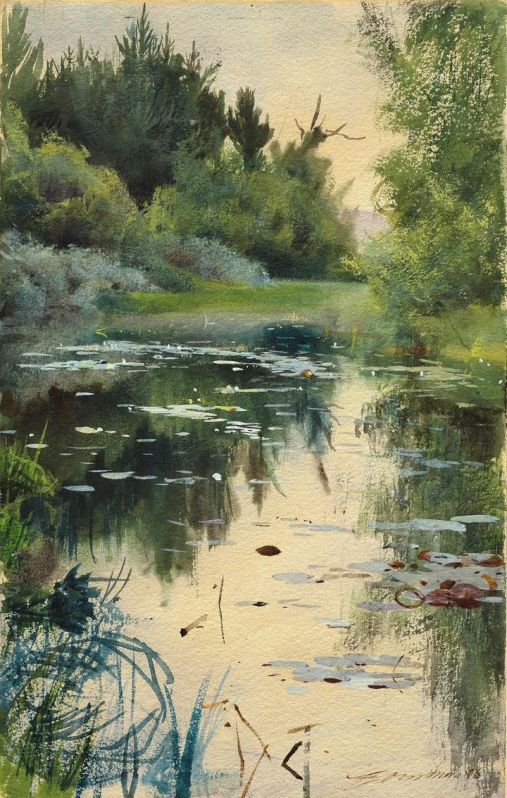
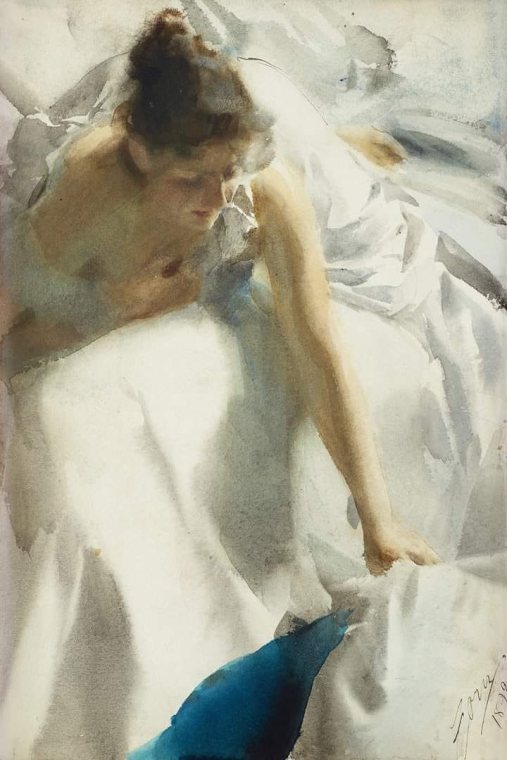
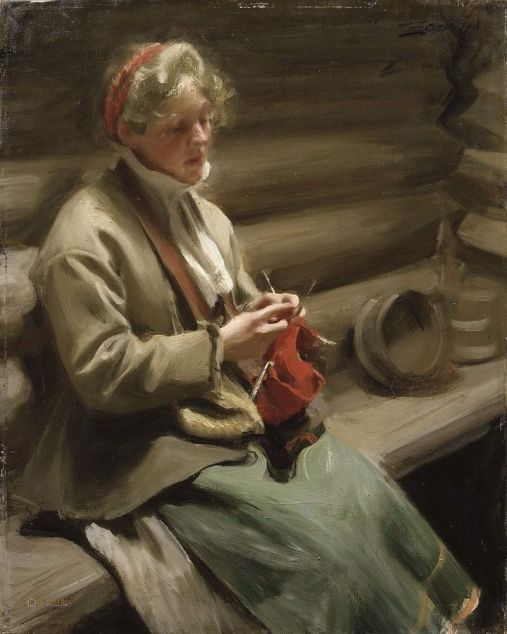
Today I delved into Richard Schmid’s “Alla Prima,” and throughout the text, he repeatedly mentions Anders Zorn, an eminent Swedish painter from the early 20th century. Curiosity piqued, I explored his art and stumbled upon this piece featuring a boat and a girl clad in white—it’s a watercolor sold for $3.5 million. His other water-themed works are similarly executed in watercolor, while nearly everything else is in oils. Observe the varied techniques he employs. Beyond his paintings, Anders also produced several hundred etchings. It astonishes me that his work had eluded me until now. Truly, a genius!
I’d like to remind you that similar posts are categorized under the tag #artrauflikes, and on beinginamerica.com in the “Art Rauf Likes section, you can explore all 69 (to date) posts. This is in stark contrast to Facebook, which tends to forget (or ignore) nearly half of them.
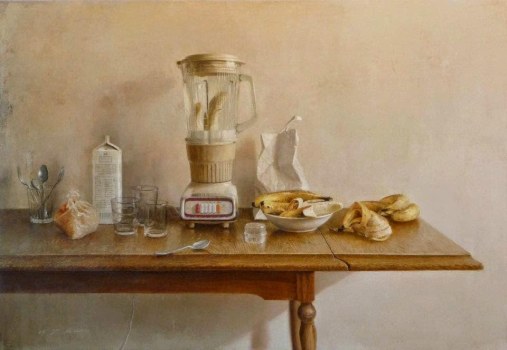
Today, I am showcasing the works of an interesting Japanese artist, Takahiro Hara. His works are very diverse, but you can notice the typical Japanese love for detail, color, and meticulous execution in what is otherwise not at all typical Japanese painting.
I remind you that similar posts are grouped under the tag #artrauflikes, and on beinginamerica.com in the “Art Rauf Likes section, you can find all 69 (as of now) posts (unlike Facebook, which forgets (ignores) almost half of them).
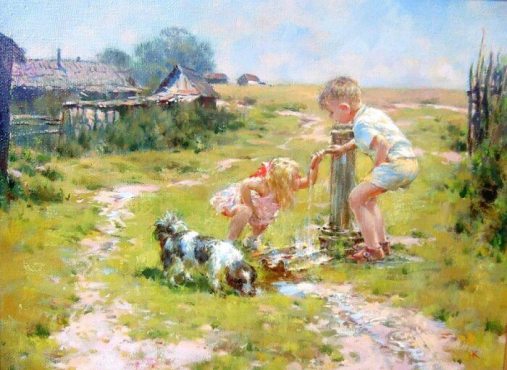
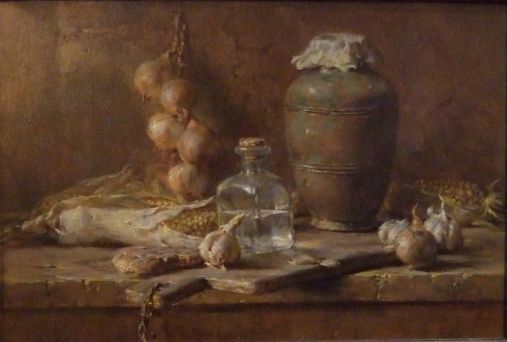
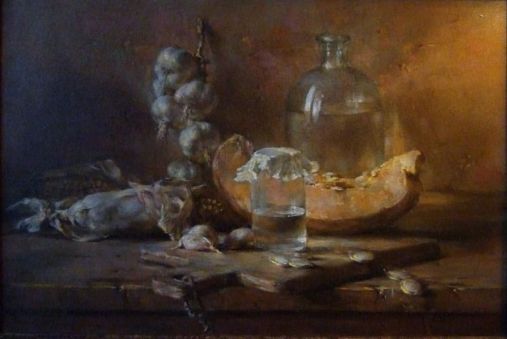
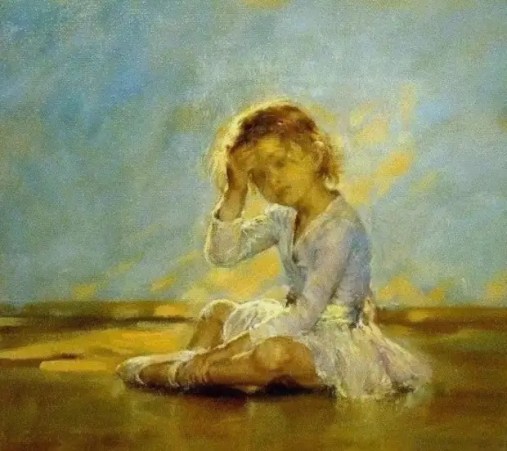
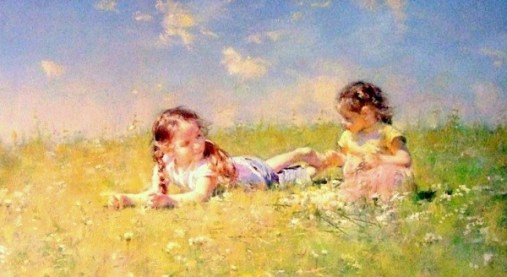
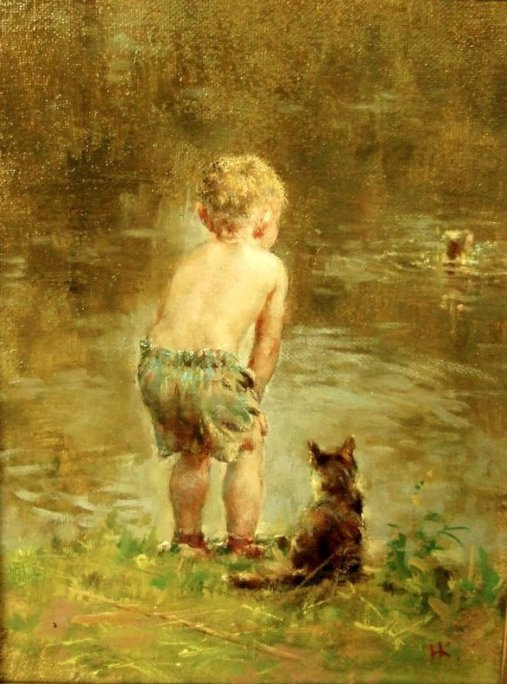
Russian artist Nikolai Kozlenko (1952-2017). His work often features bright, sunny scenes with a child and a dog, evoking the scents of fresh grass, manure, and chickens. Additionally, he has created quite serious still lifes that connect through their color and style into a coherent series.
I remind you that similar posts are grouped under the tag #artrauflikes, and all 69 (currently) pieces can be found in the “Art Rauf Likes” section on beinginamerica.com, unlike Facebook, which forgets (ignores) almost half of them.
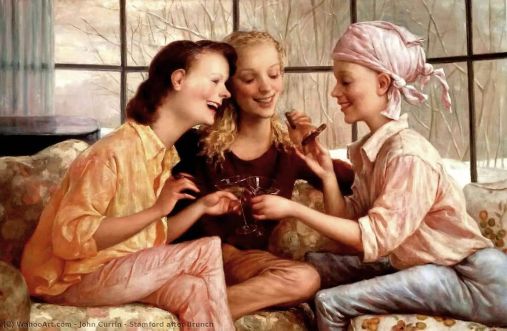
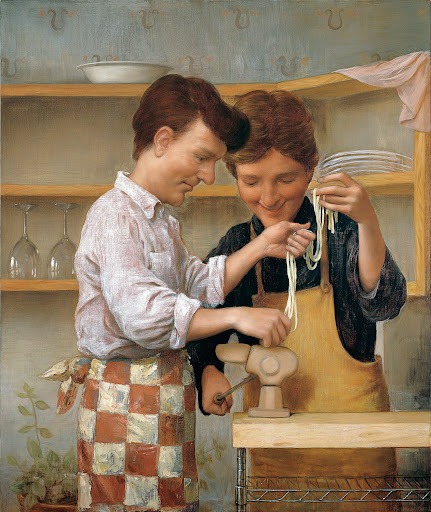
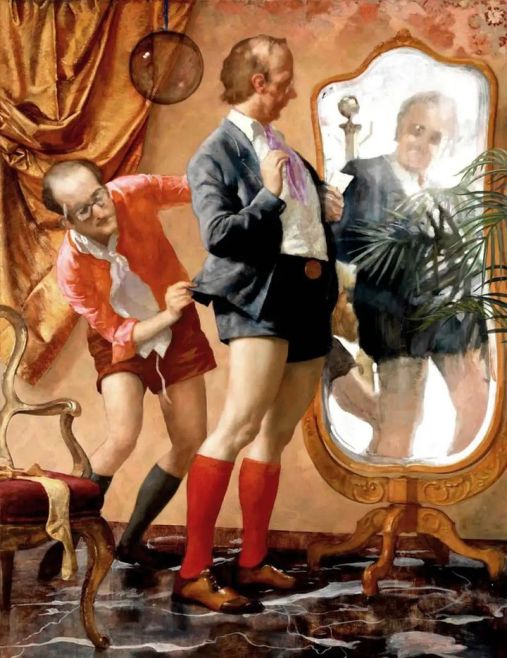
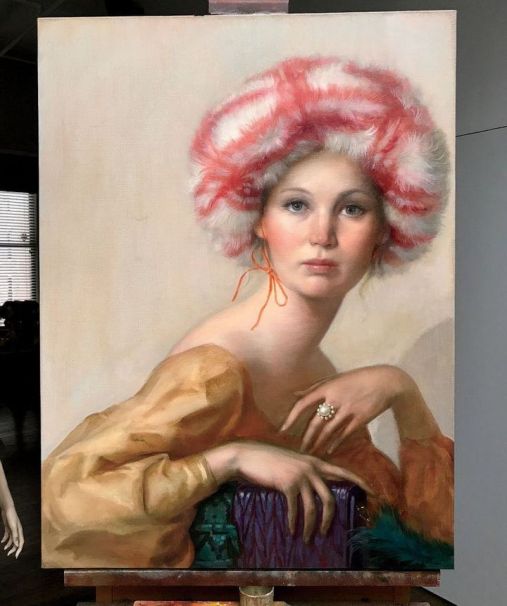
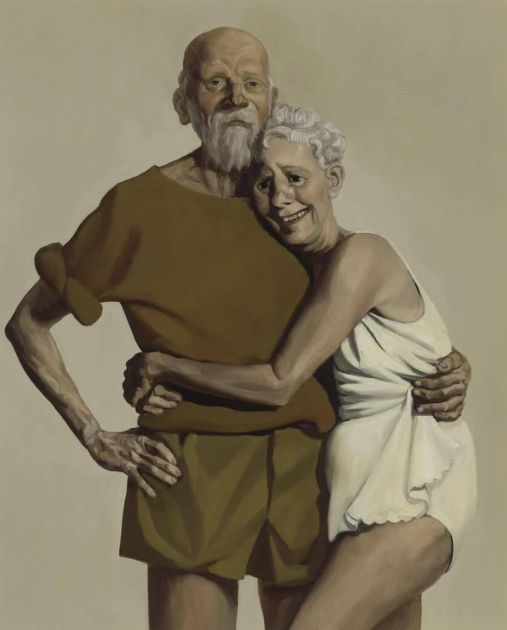
Today, I’m introducing John Currin, one of the most renowned contemporary American artists. His paintings simultaneously evoke laughter and admiration, blending coarse elements of popular culture with the refinement of high art. This contrast grabs attention and elicits mixed feelings of disgust and fascination. 🙂
There are artists who cannot draw a person without a reference. A reference can be in the form of a photograph or having the person sitting in front of them as they draw/paint them from life. But take away the reference and ask them to draw from memory—nothing comes out. Most of us don’t retain a clear picture in our memory, especially not the details that are unimportant to us but important to recreate an image on the canvas. However, there are artists who don’t need a reference because they already have an image in their head and just need to transfer it to the canvas. All the artists above can be divided into those who know and use anatomy and those who don’t need it much, as their task is simply to transfer color patches from their head to the painting, and if done accurately, everything falls into place. The academic approach is to reconstruct the structure and then overlay the color patches. In practice, it all happens simultaneously, but nevertheless, there are “academists” and “visuals” (terms I coined for lack of better ones). Artists specializing in caricature must master all these skills at the highest level. They obviously don’t copy references (model or photograph) but build a structure distorted in just the right way to produce the desired impression.
Technically, John Currin is not a caricaturist. Although his paintings may include grotesque and satirical elements, they are done in a classical style and with high quality. This creates a contrast that elicits strong emotions from viewers.
Another observation: some artists find a style and start “churning out” a whole series in it, likely because it sells well. An example is Laurent Parcelier. I don’t make separate posts about such artists, though they are certainly talented. It’s just boring; all of Laurent’s paintings are “the same,” with sunlight filtering through leaves to form a pattern on the wall of a Mediterranean house. It’s much more interesting when an artist’s style is hidden deeper, in technique rather than in the ability to convey one thing.
I remind you that similar posts are grouped under the tag #artrauflikes, and on beinginamerica.com in the “Art Rauf Likes” section, all 68 (at the moment) are available (unlike Facebook, which forgets (ignores) almost half).
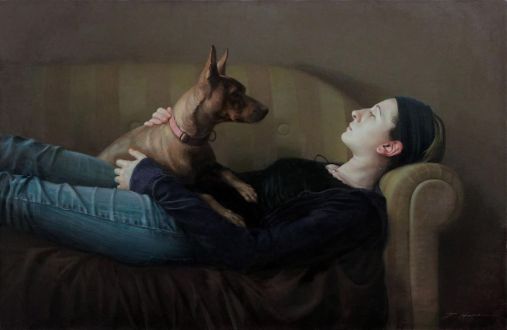
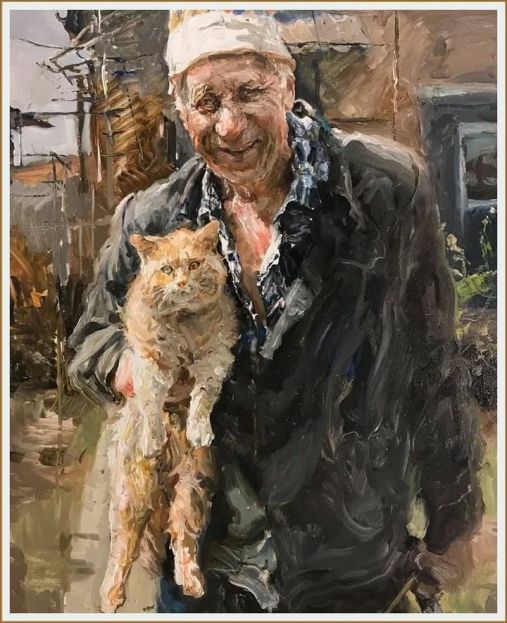
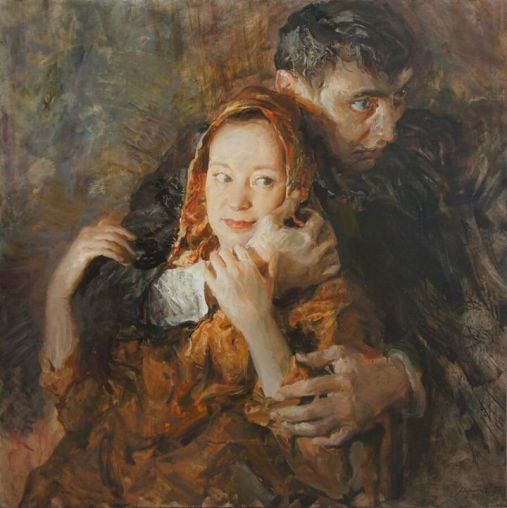
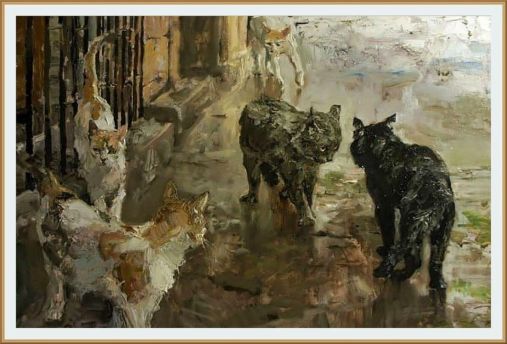
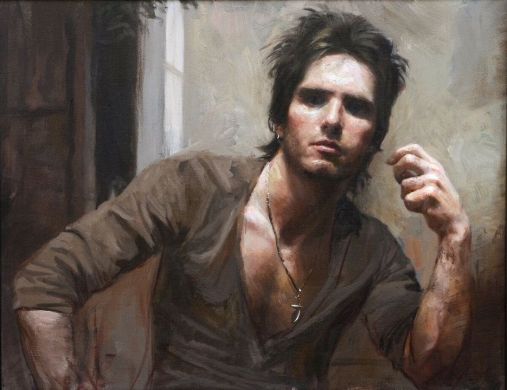
Another great artist in my “collection” is Konstantin Lupanov from Krasnodar. You have likely never heard of him. Sometimes, when you want to write about an artist and start looking for more works beyond the two or three you initially liked, you only discover that the rest are mediocre. That’s why I haven’t introduced you to, for instance, Miriam Escofet or Michaël Borremans (the rest was not mediocre, but not of my taste). However, with Lupanov, it’s hard to stop adding his paintings to the gallery. All of his works are exceptional. Konstantin portrays the reality around him just as it is: friends, relatives, and his beloved cat.
I remind you that similar posts are grouped under the tag #artrauflikes, and on beinginamerica.com in the “Art Rauf Likes” section, where all 68 (currently) are available (unlike Facebook, which forgets (ignores) almost half).
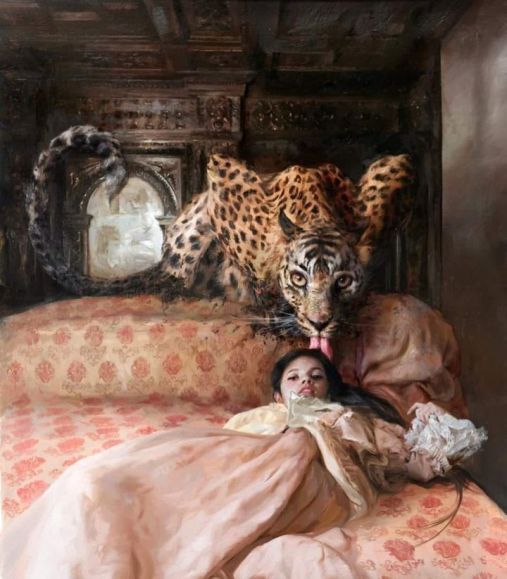
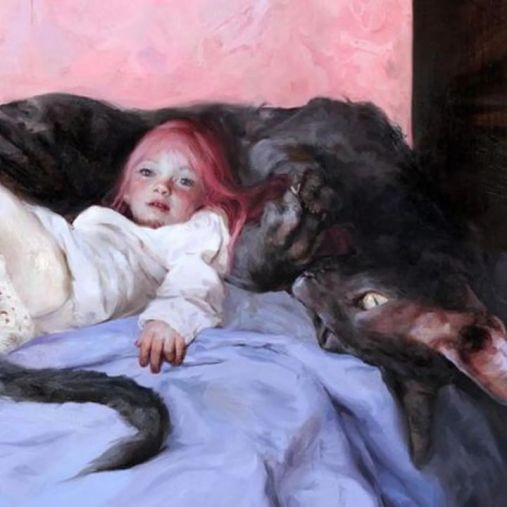
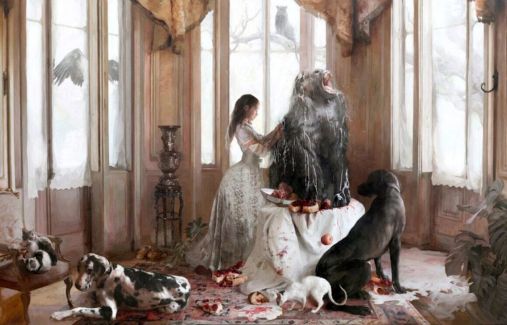
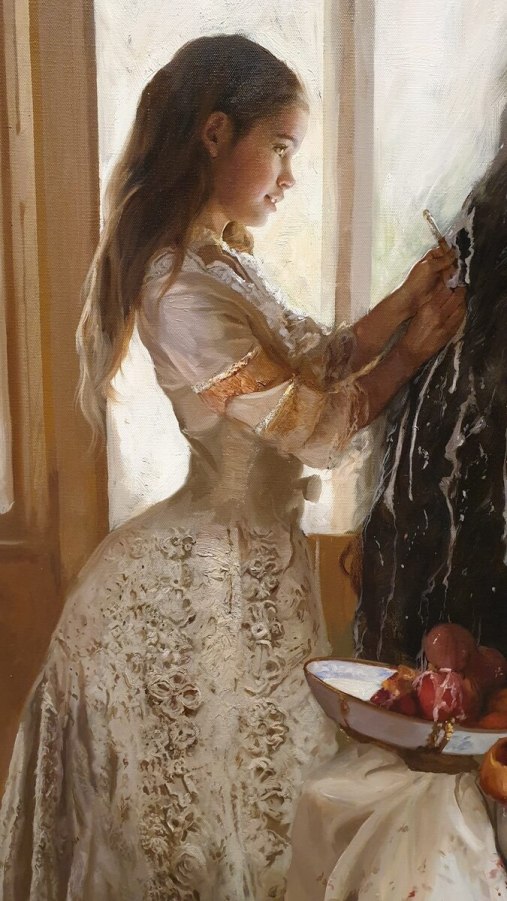
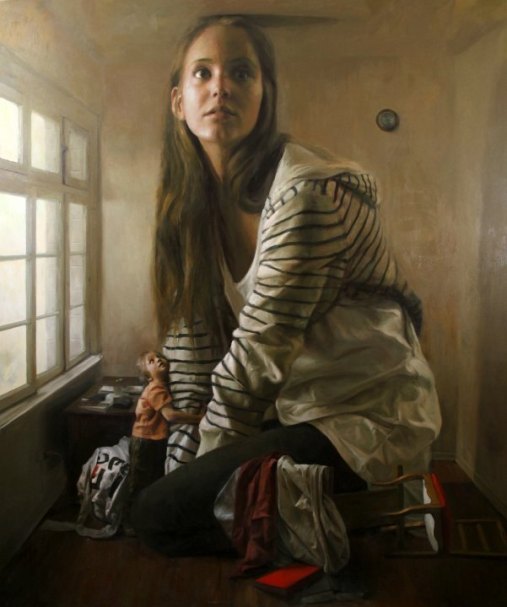
Today, I want to talk about an interesting contemporary artist, Guillermo Lorca García-Huidobro (1984). His works are very unusual and captivating, perhaps because they encapsulate childhood experiences and fears, each unique to the individual. His paintings feature little girls and all sorts of bizarre creatures in the form of their “pets”. I can’t say I’m thrilled by his art, but Guillermo definitely grabs attention and stands out among others.
I remind you that similar posts are grouped under the tag #artrauflikes, and on beinginamerica.com in the “Art Rauf Likes” section, all 64 (at the moment) are available (unlike Facebook, which forgets (ignores) almost half).
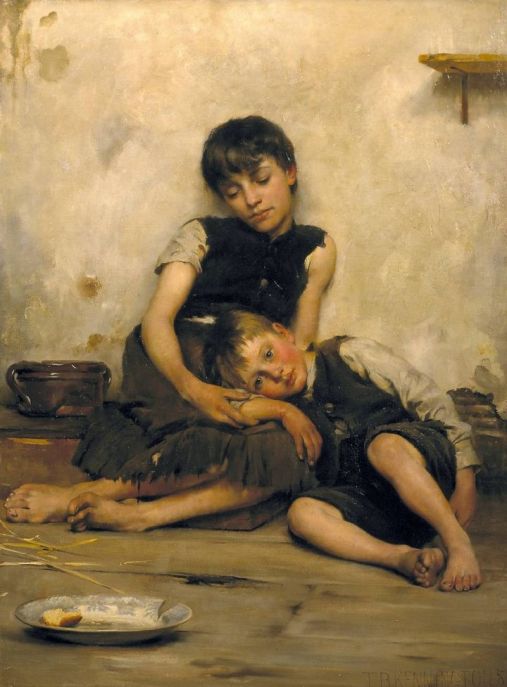
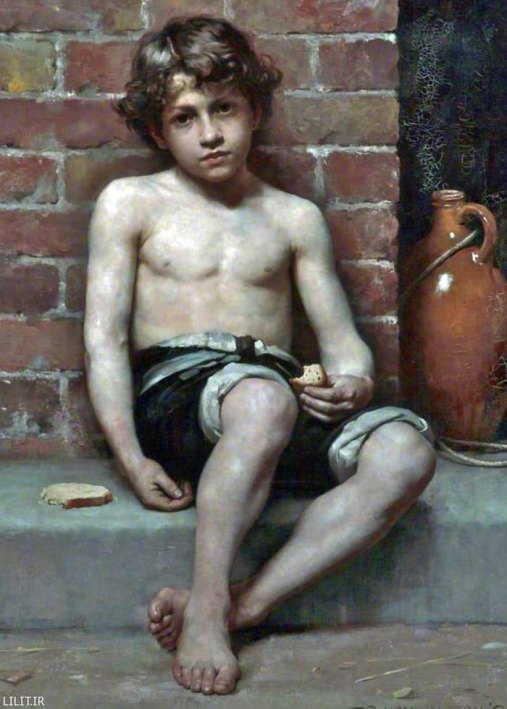
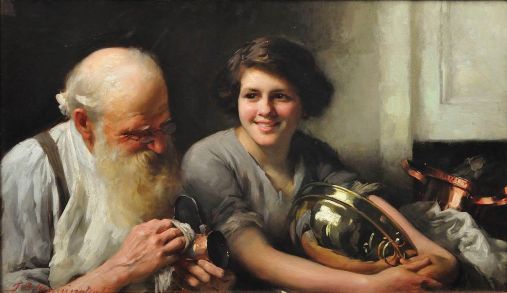
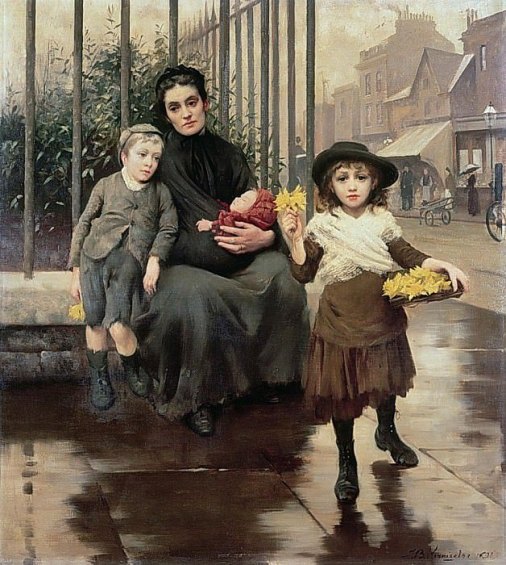
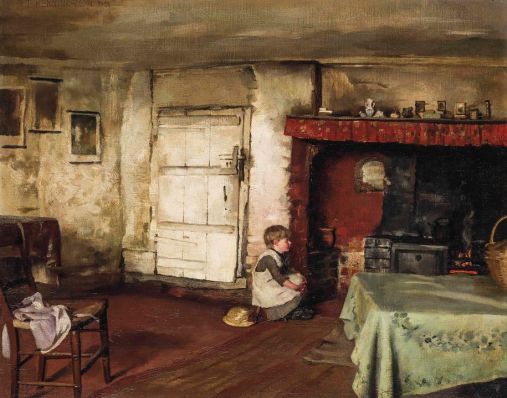
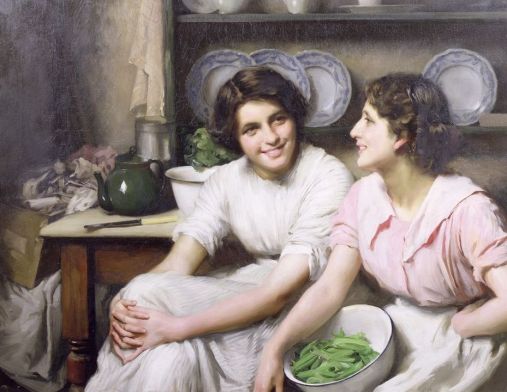
Artist Thomas Benjamin Kennington resided in Victorian England, a time rife with homeless children. I intentionally excluded numerous pieces in a quasi-Baroque style, filled with opulent and vivid beauties because they feel superficial. However, these works offer something profound for observation and contemplation.
I’d like to remind you that related posts can be accessed under the tag #artrauflikes, and on beinginamerica.com within the “Art Rauf Likes” section, where all 64 entries (current count) are available (unlike Facebook, which tends to overlook (or ignore) nearly half).
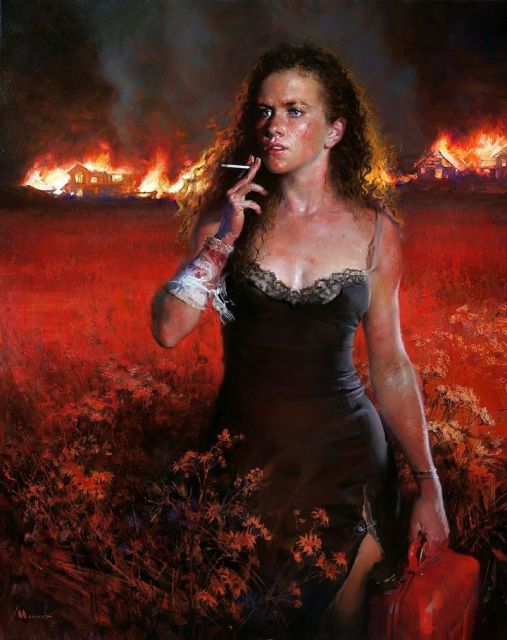
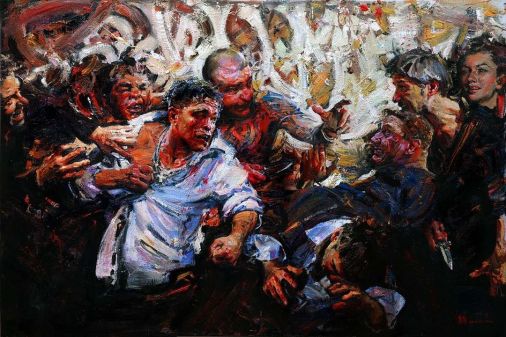
Oh, what a wonderful artist we have today! Evgeniy Monahov (1974). Observing his “Ophelia” (the first in the series, evidently inspired by John Everett Millais), an intriguing notion struck me — how captivating it would be to reimagine any renowned painting from a slightly altered perspective while preserving its distinctiveness? I have yet to encounter such an approach. What captivates me about Evgeniy’s artworks is their profound significance; they invariably portray a brilliantly orchestrated scene, crowned by his exceptional technique. Indeed, as the saying goes, when a portrait is more than merely a portrait.
Don’t forget, that related posts can be found under the tag #artrauflikes, and on beinginamerica.com, specifically in the “Art Rauf Likes” section, where all 64 entries are accessible (to date), unlike Facebook, which tends to overlook (or neglect) nearly half of them.
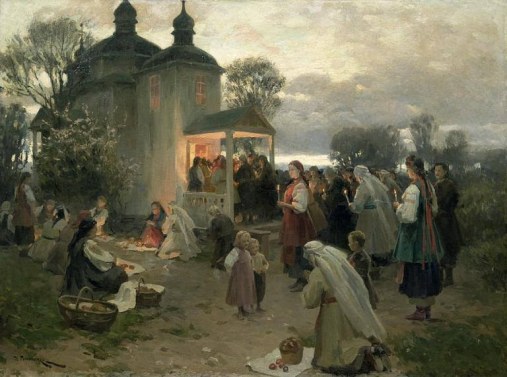
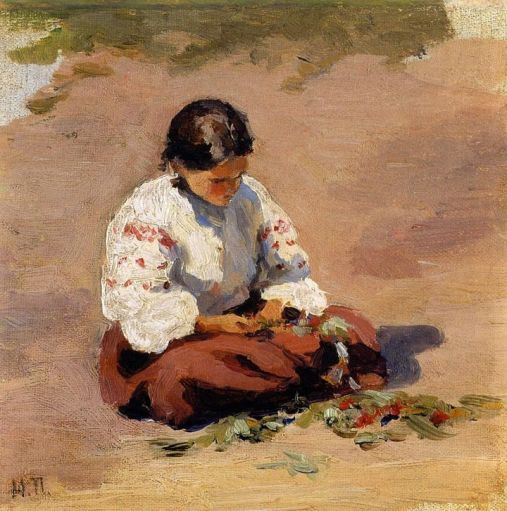
Today, I’d like to introduce you to the Ukrainian artist Mykola Pymonenko (1862-1912). Look at his works — it’s like a time machine taking us back 100+ years.
I remind you that similar posts are grouped under the tag #artrauflikes, and on beinginamerica.com in the “Art Rauf Likes” section, you can find all 64 (currently) of them (unlike Facebook, which forgets (ignores) almost half).












































 Hi, I'm Rauf Aliev.