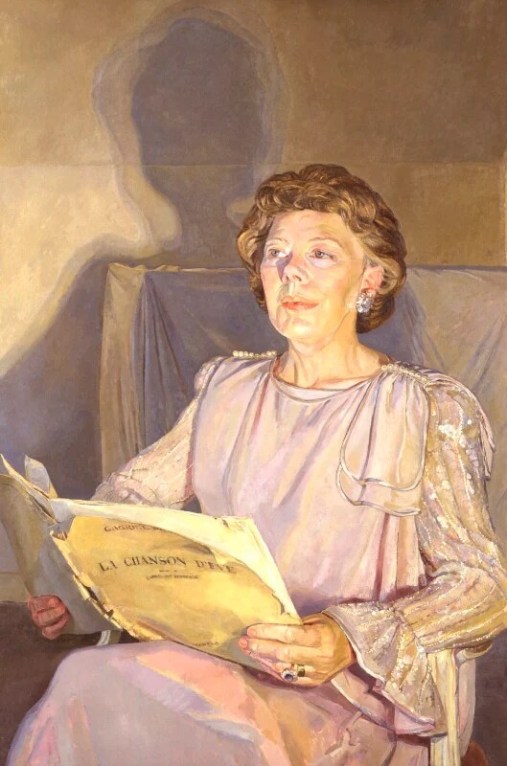
The intriguing British artist Daphne Todd won the UK’s most prestigious portraiture award, the BP Portrait Award, for her depiction of her deceased mother, who passed away at the age of 100. Remarkably, her mother posed for three days post-mortem, between her death and funeral, in Todd’s studio. The painting is chilling and highly controversial (it’s included in the gallery).
Posts like this are tagged with #artrauflikes, and all 130 of them can be found in the “Art Rauf Likes” section on beinginamerica.com (unlike Facebook, which either forgets or neglects nearly half of them).
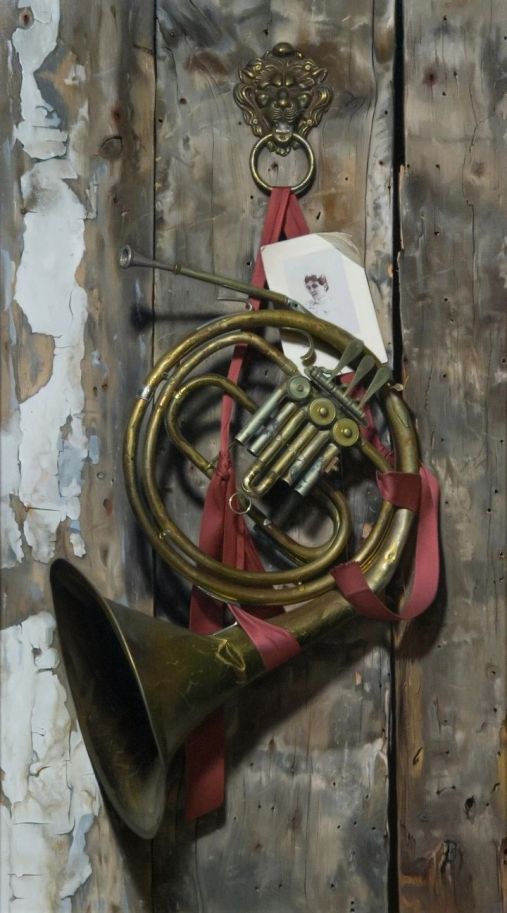
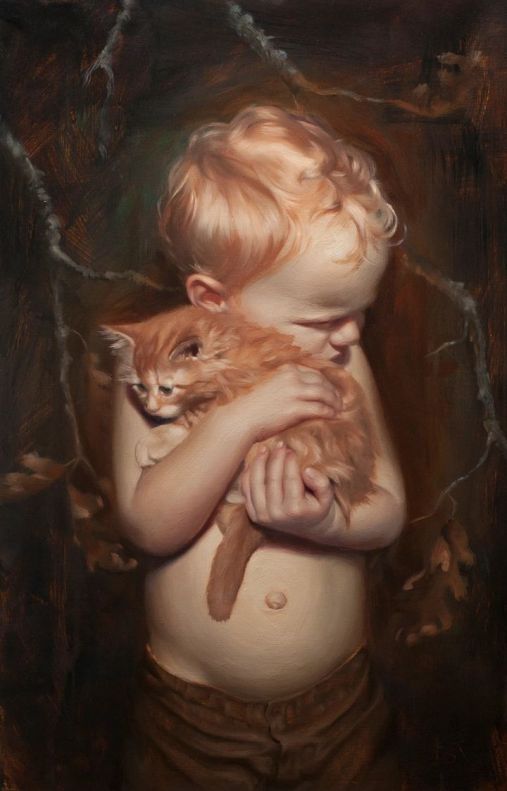
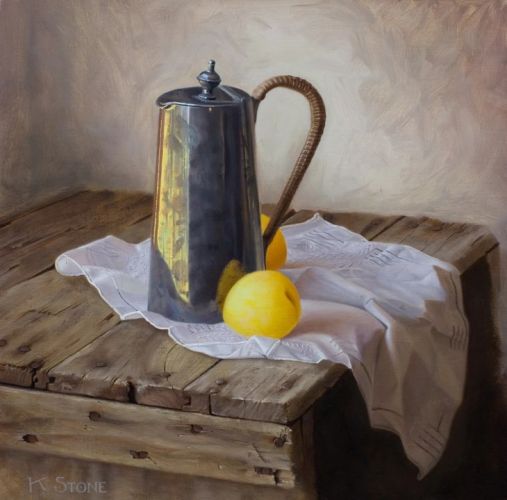
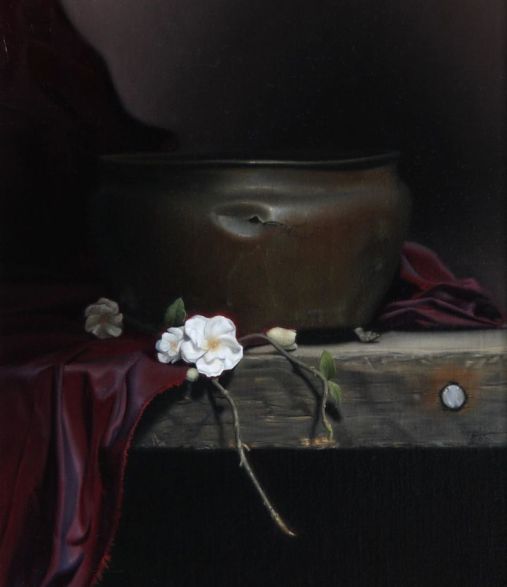
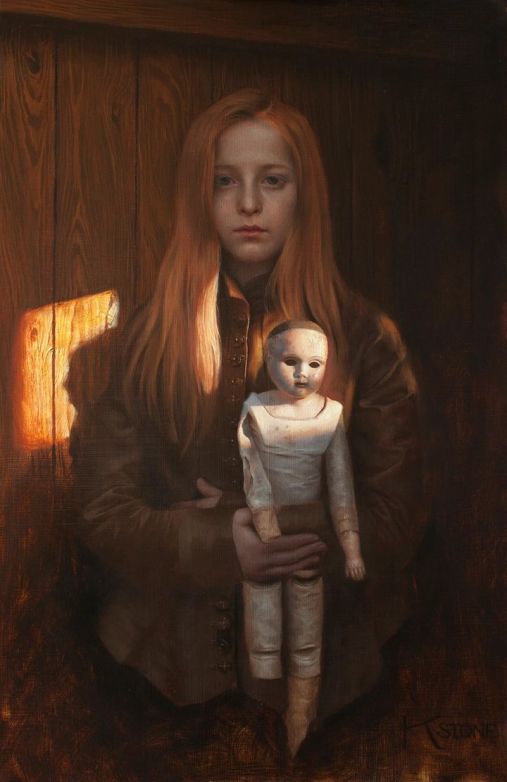
An intriguing Canadian artist, Katherine Stone, is also a skilled tattoo artist. Her husband is a tattoo artist as well. I’ll leave their Instagram in the comments (easy to find on Google). Her oil paintings are especially captivating and diverse. Honestly, it’s rare to come across someone equally talented in both oil painting and tattooing.
Posts like these are tagged with #artrauflikes, and the “Art Rauf Likes” section on beinginamerica.com showcases all 129 of them (unlike Facebook, which overlooks nearly half).
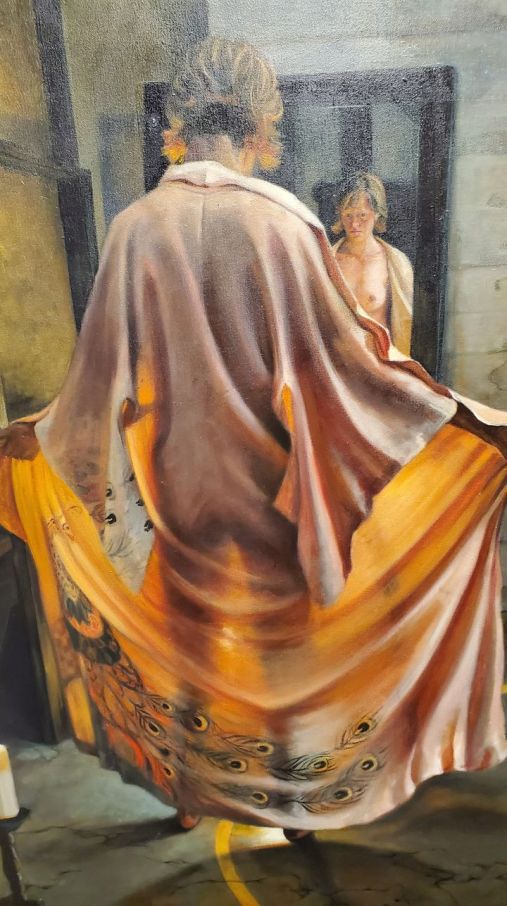
Today — Aimee Erickson (Portland, Oregon, b. 1967). The first painting in the gallery is her self-portrait. Her work is truly remarkable. In literature, there’s a concept called the “iceberg principle,” introduced by Ernest Hemingway. Gertrude Stein advised him on this technique, something along the lines of, “describe a little, but leave most of it beneath the surface. Let the viewer draw their own conclusions.” Aimee’s paintings embody this approach, and I absolutely love it.
Similar posts are tagged with #artrauflikes, and you can find all 128 of them on beinginamerica.com under the section “Art Rauf Likes (unlike Facebook, which forgets or skips nearly half of them).
An interesting American artist, Regina Jacobson. Her enchanting, fantasy-inspired style, filled with countless intricate details, is incredibly captivating.
Similar posts are grouped under the hashtag #artrauflikes, and all 127 of them can be found on beinginamerica.com in the “Art Rauf Likes” section (unlike Facebook, which forgets—or overlooks—almost half of them).
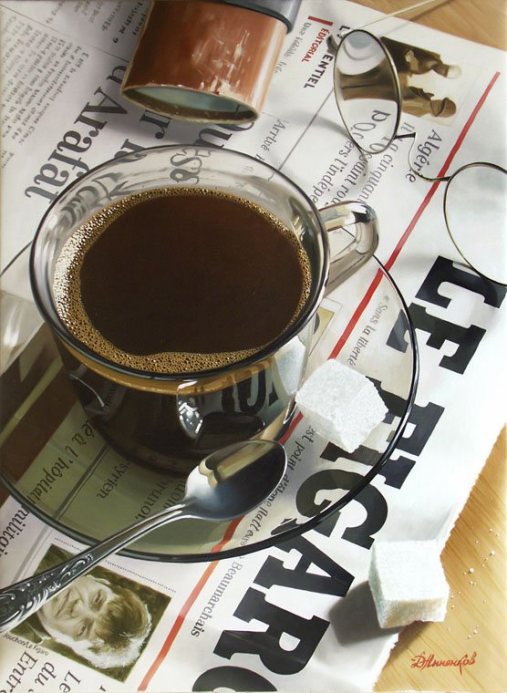
Today’s spotlight is on the works of Russian hyperrealist Dmitry Annenkov. How one can fit so many minute details onto a 40×60 cm canvas is beyond me, but if the Dutch painters managed it back then, why not now? That’s one way of looking at it.
To be honest, I’m not much of a fan of hyperrealism, because I’m left wondering: what’s the point, when we already have photography? Hyperrealism might give the impression that, if you select the precise color from a photograph using a colorimeter and apply it exactly to each millimeter of the canvas, with enough time, patience, and perhaps a bit of automation (like a canvas printer?), you’d end up with something close to what Annenkov creates. With more automation, you could churn out a painting a week. That’s why I find it far more intriguing when the mind has to fill in the gaps itself. Here, there’s nothing missing; the brain just ends up bored. Even watching the process would be interesting. Take, for example, those apples in water—was it painted layer by layer, moving from general forms to details, or simply from the top-left corner down and to the right, like a printer? If there were any visible signs of layering from broad strokes to fine detail, it would be a different conversation entirely. But I don’t see them anywhere.
I haven’t seen a single high-resolution image where you can make out brushstrokes, nor any YouTube videos showing the process—or even an interview.
So, forgive me, but I can’t help thinking critically and suspecting that these works might just be printed on canvas from photographs in oil paint. I’m really looking for arguments against this heretical, and probably offensive, idea for the artist. Do you have any?
But even if it is done with a printer, it’s still art. After all, you have to set the scene, arrange the lighting, take the photograph, and transfer it to the canvas. All of that takes a great deal of effort and time, and the result is something that admirers of beauty are willing to pay for.
Posts like these are grouped under #artrauflikes, and all 127 of them can be found in the “Art Rauf Likes” section on beinginamerica.com (unlike on Facebook, which seems to forget—or ignore—almost half of them).
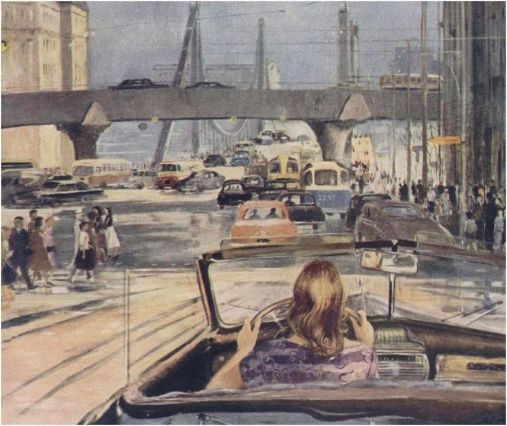
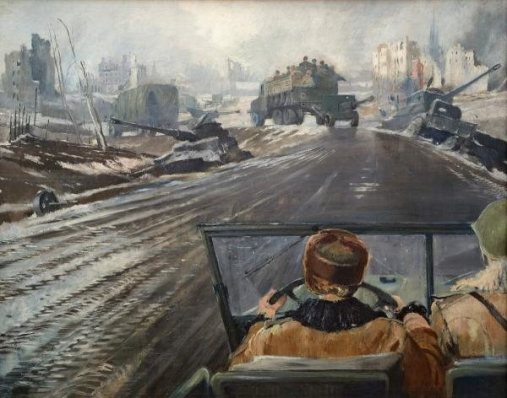
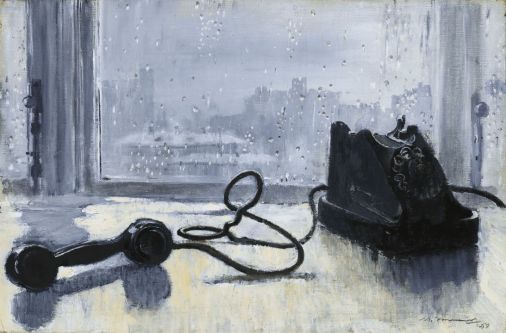
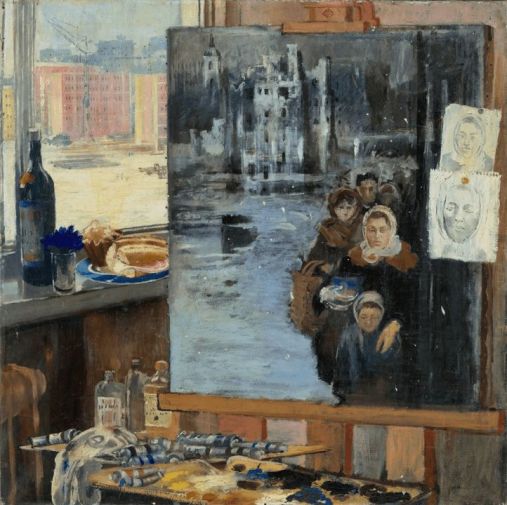
(ENG below) Today I introduce you to a Moscow artist of the 1930s, Yuri Pimenov (Yuri Pimenov). The first painting in the gallery—his “calling card”—is “New Moscow” (1937). However, it merely opens the series. Seven years later, Pimenov painted “Frontline Road,” in which, according to some art critics, the same young woman is depicted. Another appears sixteen years later.
One might wonder, what should an artist do, having found his creative path after all the hurdles and earned fame? Yuri Ivanovich behaved unconventionally: he began destroying all his previous paintings in his possession, and even took home museum pieces he had created, promising to return or bring new ones, and destroyed those as well.
In the end, many of his paintings remain only in photographs…
Similar posts are grouped under the tag #artrauflikes, and on beinginamerica.com in the “Art Rauf Likes” section, all 126 are available (unlike Facebook, which forgets about nearly half of them).
(ENG) Today, a Moscow artist of the 1930s, Yuri Pimenov. The first painting in the gallery, his “calling card,” is *New Moscow* (1937). Yet this work merely opens the series. Seven years later, Pimenov painted *Frontline Road*, in which, according to some art critics, the same young woman appears.
One might think that an artist who has found his creative path after all his struggles and gained renown would settle into his success. But Yuri Ivanovich took an unconventional route: he began to destroy all his earlier works that he still possessed. He even reclaimed pieces from museums, promising to return or replace them with new ones, only to destroy those as well.
As a result, many of his paintings now exist solely in photographs…
Posts like this are grouped under the hashtag #artrauflikes, and all 126 can be found on beinginamerica.com in the “Art Rauf Likes section (unlike Facebook, which tends to overlook almost half of them).
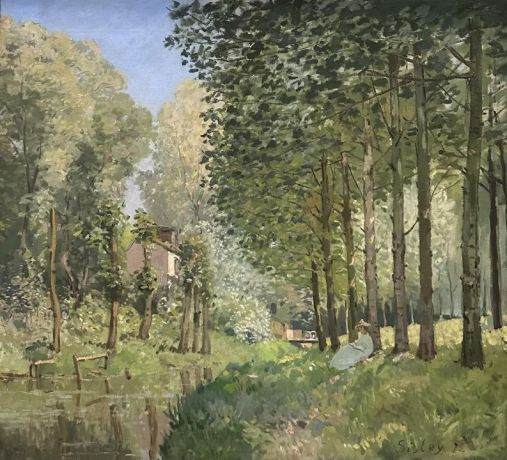
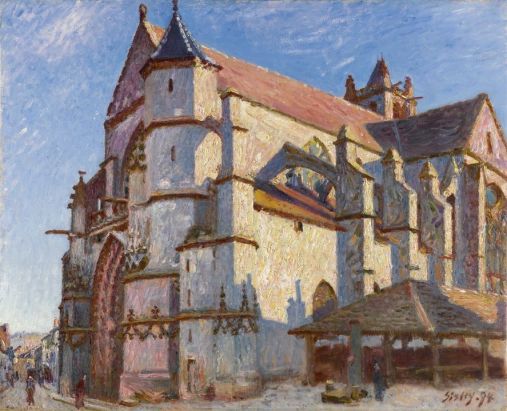
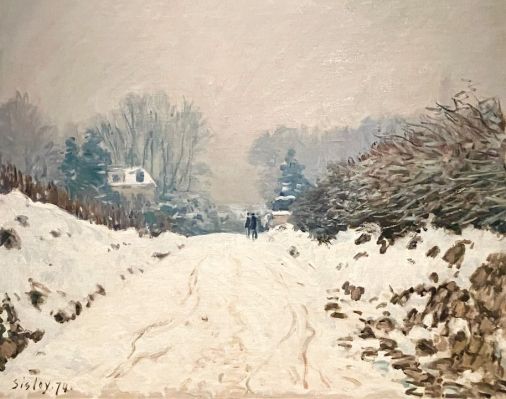
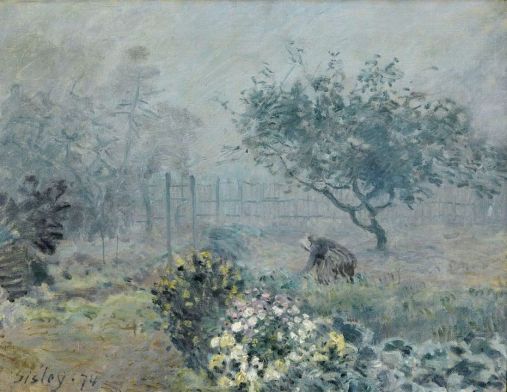
Today, let’s talk about Alfred Sisley, who would have turned 185 yesterday.
Unappreciated in his lifetime, Sisley has since become a symbol of Impressionism, though he faced countless hardships during his life. He joined the ranks of artists whose talents were only recognized posthumously.
Sisley was friends with other Impressionists, including Monet, Pissarro, and Renoir, and participated in the earliest Impressionist exhibitions. Yet, his works rarely sold. Art dealers, such as Durand-Ruel, tried to support him with modest stipends, but his art never brought him wealth. Poverty shadowed him to the end, and he relied on the kindness of friends and the occasional buyer.
Over time, Sisley’s health declined, and he grew more reserved. While his peers gained fame, he remained in obscurity. His long-awaited solo exhibition in 1897 ended in disappointment—none of his works sold.
Sisley died in abject poverty from throat cancer, just months after losing his wife. Ironically, only a year after his death, his painting Flood at Port-Marly (1876) sold to Isaac de Camondo for 43,000 francs—a sum that could buy several houses in smaller towns or a fine home in Paris—more than Sisley had earned in his entire life.
After his death, interest in his work surged, with paintings that once fetched nearly nothing now selling for tens of thousands. In February 2008, Snow at Louveciennes (1878) sold at Christie’s in London for £3.7 million, or roughly $7.8 million.
Posts like this can be found under #artrauflikes, and all 125 are available on beinginamerica.com in the “Art Rauf Likes section—unlike Facebook, which often overlooks nearly half of them.
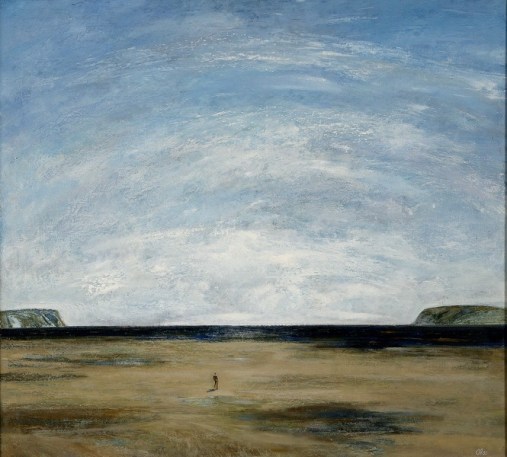
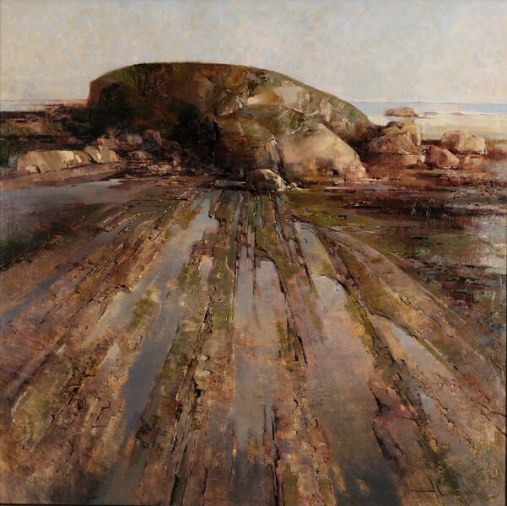
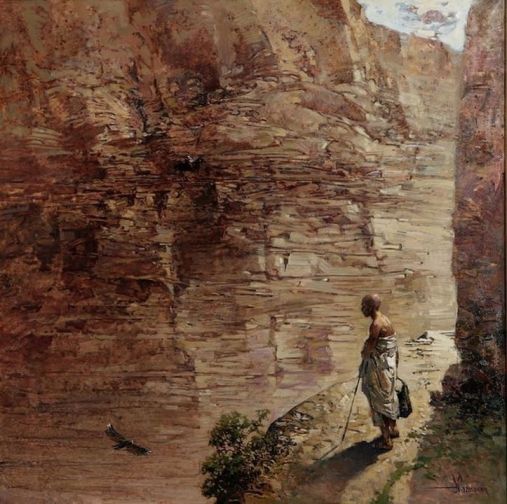
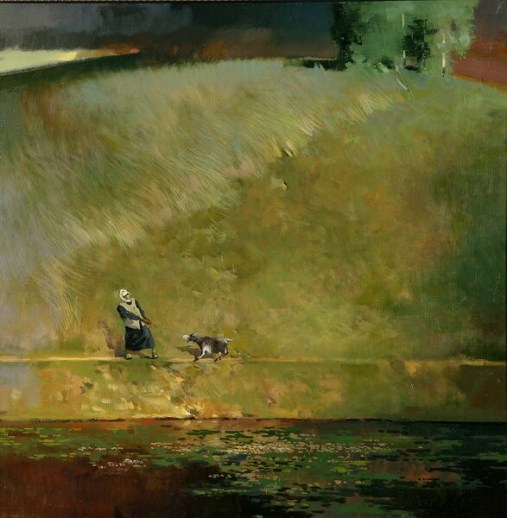
Alexander Savin (1949) is a Soviet and Russian artist, virtually unknown to the general public. Many of his paintings contrast the vastness and openness of the world with something insignificant happening within it. To me, his works are very unusual and intriguing. His latest works on the site are dated 2014. The grandfather is now 75 years old, and I’m not sure whether he is still painting or not.
Posts like this are grouped under the #artrauflikes tag, and the “Art Rauf Likes” section on beinginamerica.com contains all 124 of them (unlike Facebook, which neglects almost half).
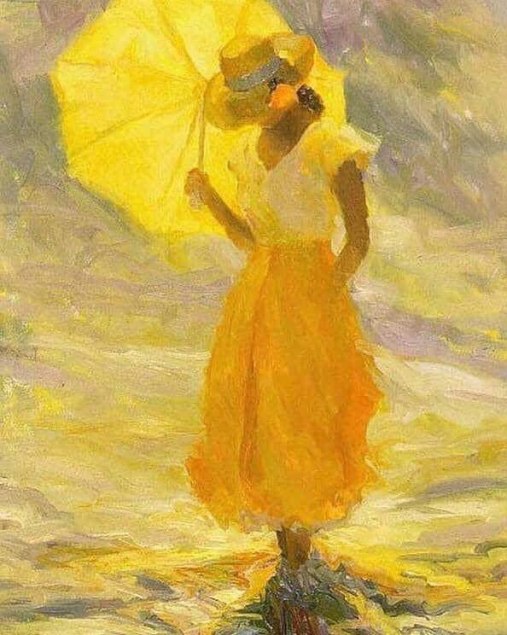
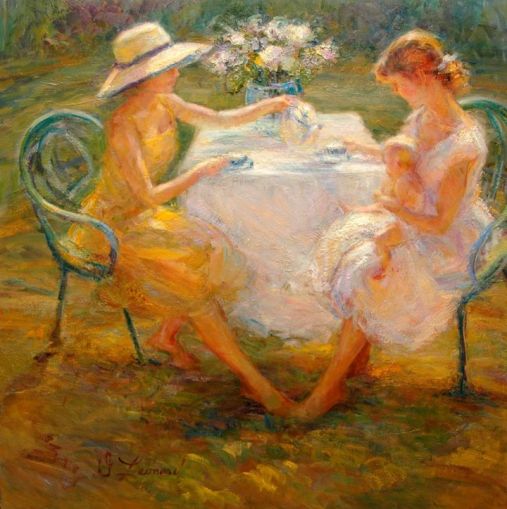
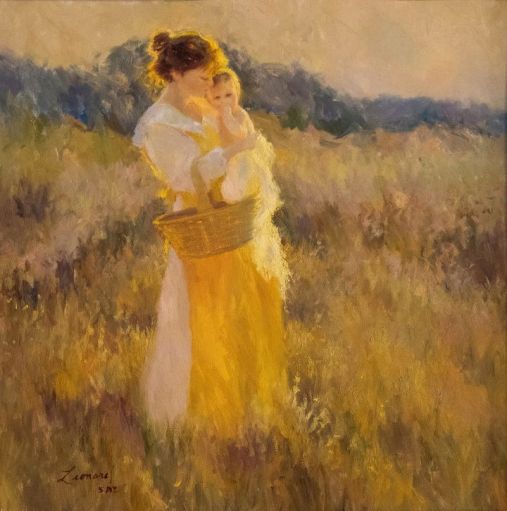
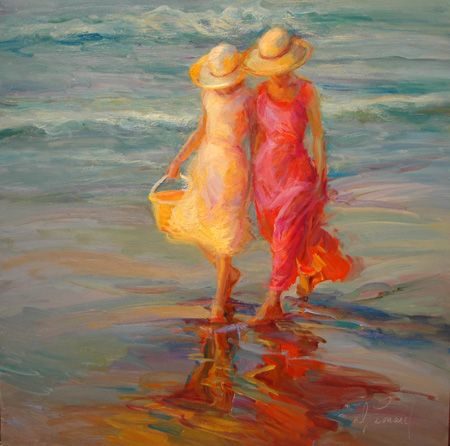
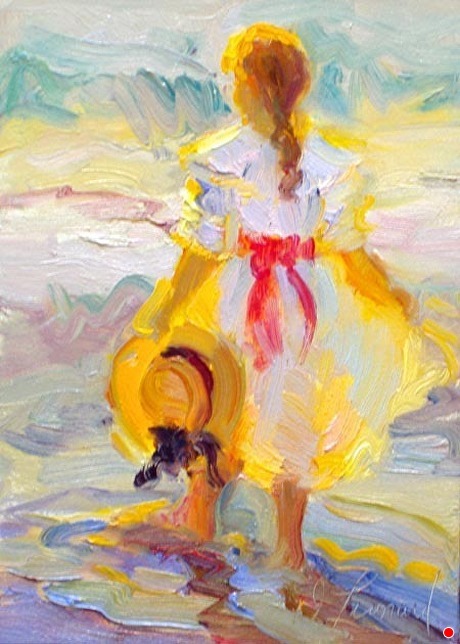
Today’s feature is the American impressionist painter Diane Leonard (b. 1949). Mothers, children, the sea, umbrellas, sunshine. It’s interesting how, for many artists, the journey to their style is nowhere to be found online. It’s as if they’ve spent their entire lives painting these same umbrellas, seasides, and families. But life doesn’t work that way. Marketing, however, thrives when an artist has a recognizable style. By the time you turn 75, only the works that support auction sales make it to the web—everything else stays hidden. As a result, we often see only a few paintings, and they tend to look similar. And that always leaves you wondering: what are we not seeing?
Posts like this are tagged under #artrauflikes, and you can find all 123 of them on beinginamerica.com under the “Art Rauf Likes” section (unlike Facebook, which forgets—or buries—nearly half of them).
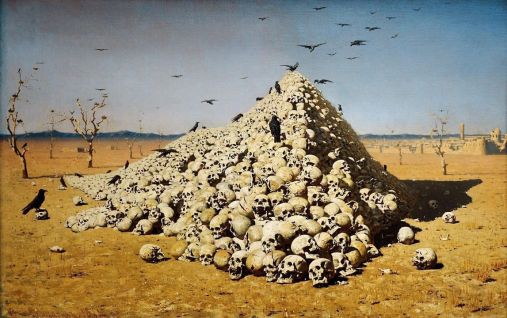
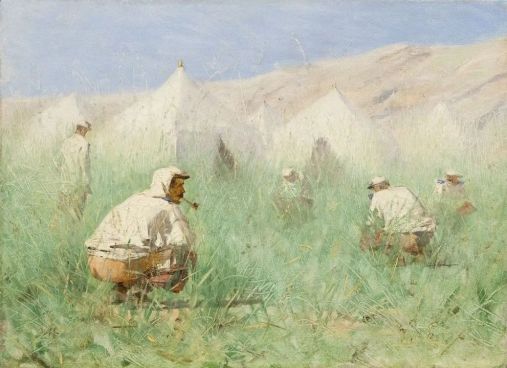
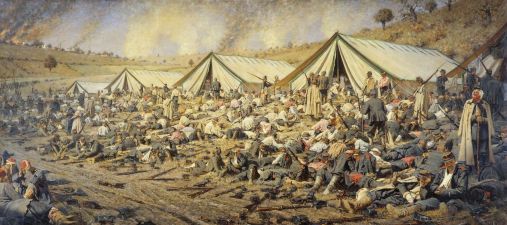
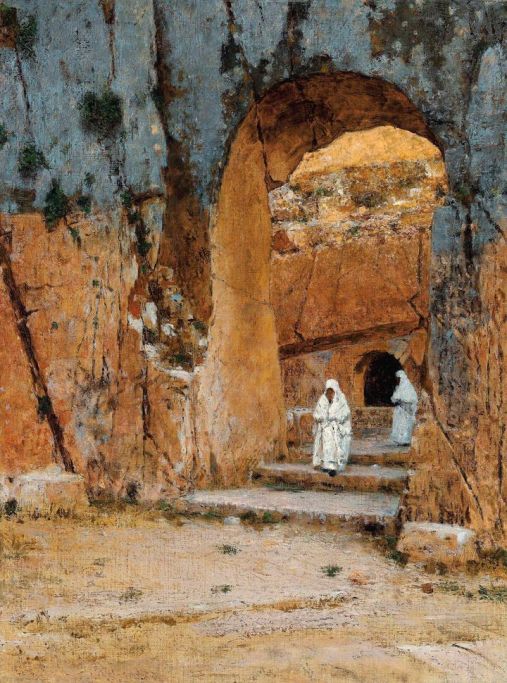
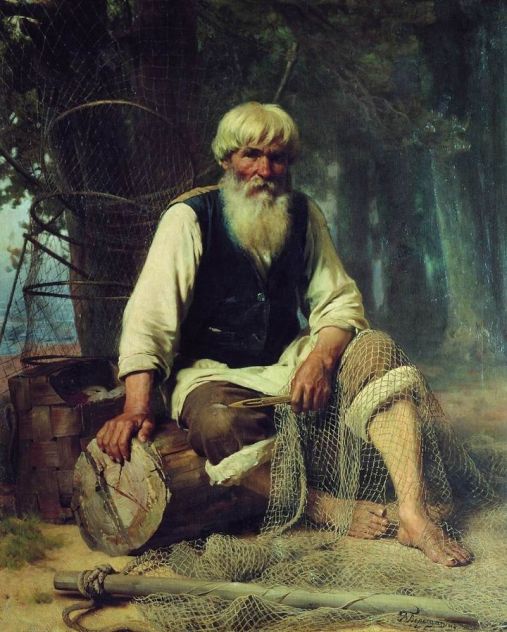
To diversify the collection of contemporary artists with the most compelling pieces, let’s turn to a well-known figure: Vasily Vereshchagin.
The first painting is “The Apotheosis of War, one of his most striking works. My research suggests that, contrary to its common interpretation as an anti-war manifesto—widely accepted by sources like Wikipedia—it wasn’t intended as such. Instead, the painting belongs to the “Barbarians cycle, depicting the brutality of Samarkand’s rulers and implicitly supporting Russian expansion in Central Asia.
Vereshchagin exhibited his Turkestan Series at the Crystal Palace in London. According to the English Digital Humanities Institute and several other sources, his introduction to the exhibition catalogue framed Russia’s conquest of Central Asia as a necessary civilizing mission. It was also intended to allay British doubts about who their true friends and neighbors in the region were.
Another work from the “Barbarians cycle is “Surrounded—Pursued (1872), which the artist himself later destroyed by burning it.
Vereshchagin wrote, “Whatever the cost, with full respect for law and justice, the question [of colonizing Turkestan] must be resolved without delay. This concerns not only Russia’s future in Asia, but above all the welfare of those under our rule. Frankly, they stand to benefit more from the final establishment of our authority than from a return to the old tyranny…
It seems the series was funded by Konstantin Kaufman, who oversaw the conquest and colonization of Central Asia. While I couldn’t confirm this directly, some sources suggest that the goal of exhibiting these paintings in London was to convince the British of the necessity of Russian control over Samarkand. The show, reportedly, had political undertones, aligning with ongoing negotiations over spheres of influence in the region.
Thus, while later interpretations of “The Apotheosis of War cast it as an anti-war statement, the painting originally served as a propaganda tool, reflecting the historical conflicts and imperial interests of Russia.
The second painting, featuring an eagle, is titled “Russian Camp in Turkestan.
In many ways, Vereshchagin resembles a photojournalist of his time—only instead of a camera, he wielded brushes, canvases, and paints.
Similar posts are grouped under the tag #artrauflikes, and the complete collection of all 121 entries can be found on beinginamerica.com under the “Art Rauf Likes section—unlike Facebook, which neglects nearly half of them














































 Hi, I'm Rauf Aliev.