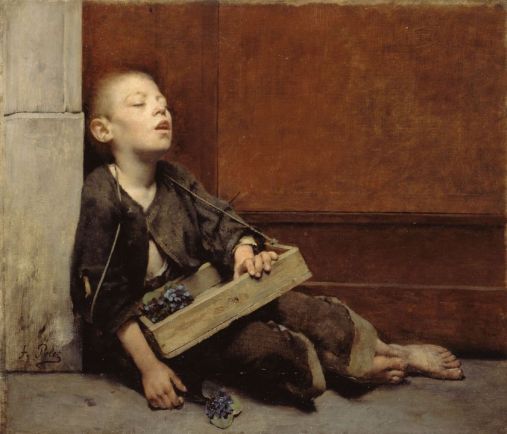
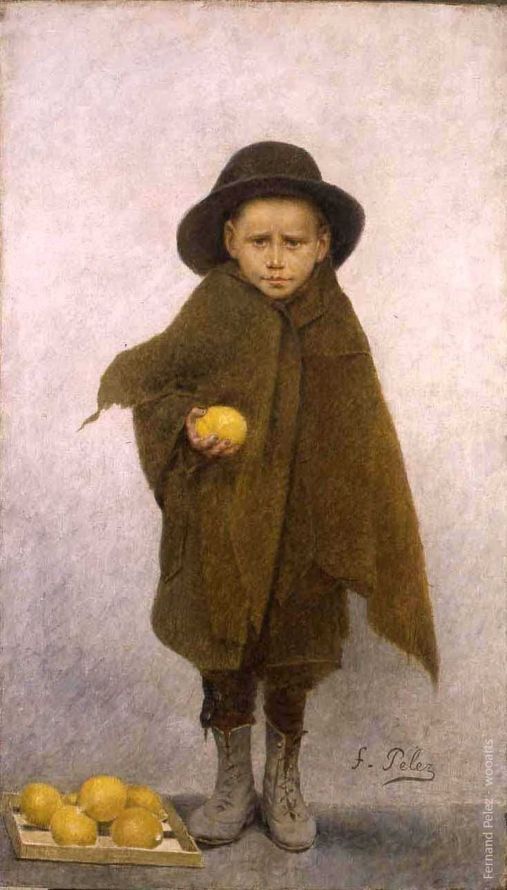
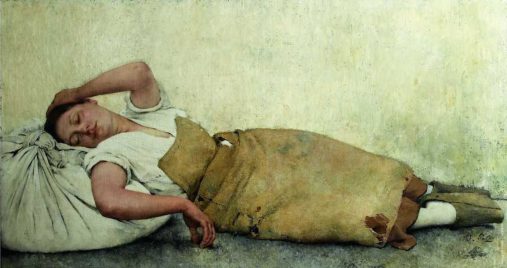
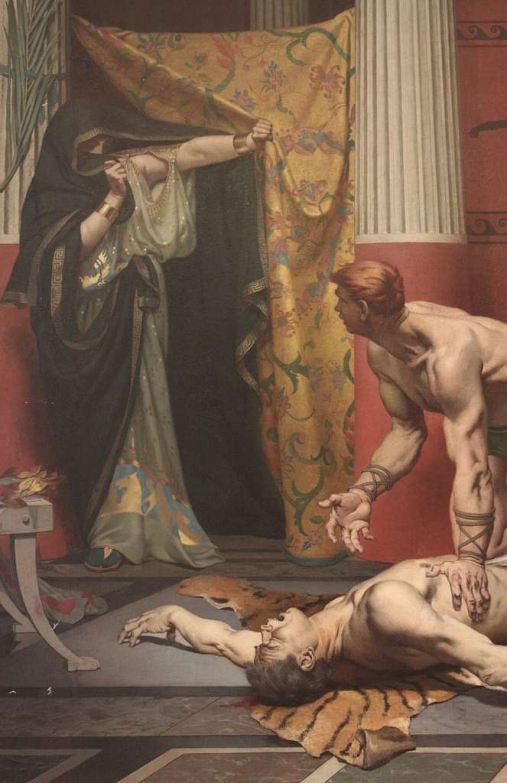
The French painter of Spanish descent, Fernand Pelez (1848-1913), produced his most striking works in a series, the first of which portrays a gaunt, weary mother and her five children struggling to survive on the streets. The few extant works of Pelez remind me of certain paintings by Thomas Benjamin Kennington, about whom I wrote in May this year. Alas, very few of Pelez’s paintings have survived to this day.
Posts like this fall under the tag #artrauflikes, and on beinginamerica.com, in the “Art Rauf Likes” section, you can explore all 112 of them (unlike Facebook, which ignores almost half of them).
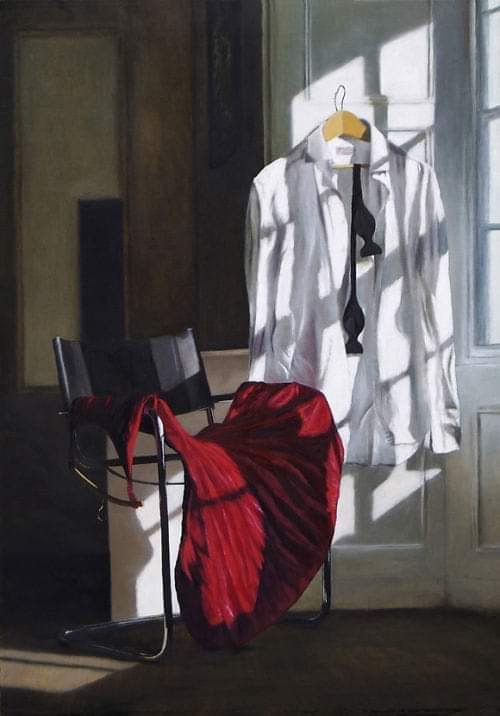
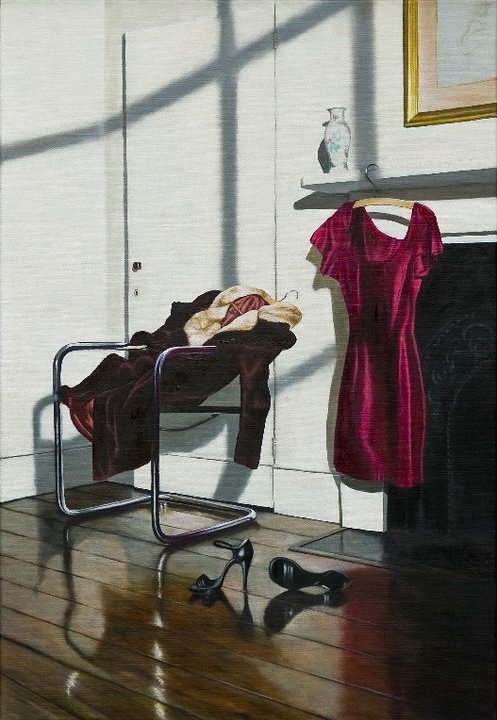
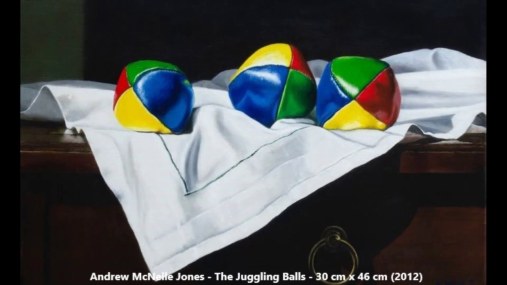
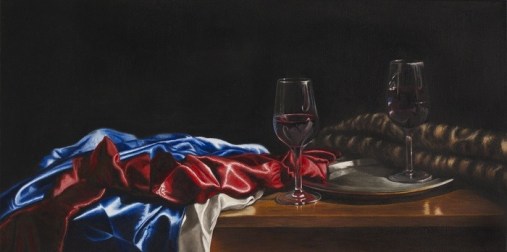
Why do still lifes typically feature mundane subjects like insignificant vases with fruit or lifeless fish? Consider Andrew McNeile Jones, for instance (Andrew McNeile Jones, British) — his still lifes focus more on interiors. Until 2017, his paintings primarily revolved around interior spaces, treating them as the main subject. However, from 2017 onwards, it appears his artworks shifted towards being predominantly suited for interiors — ones that enhance the look above a sofa in a contemporary apartment. This later phase of his oeuvre is more elusive to me. It’s as though the artist himself was supplanted. I’m not judging if it’s better or worse; it’s just markedly different. I’ll add a link to his website in the comments — do take a look.
Posts of similar interest are categorized under the tag #artrauflikes, and you can find all 110 of them on beinginamerica.com under the “Art Rauf Likes” section (unlike Facebook that tends to forget — or overlook — almost half of them).
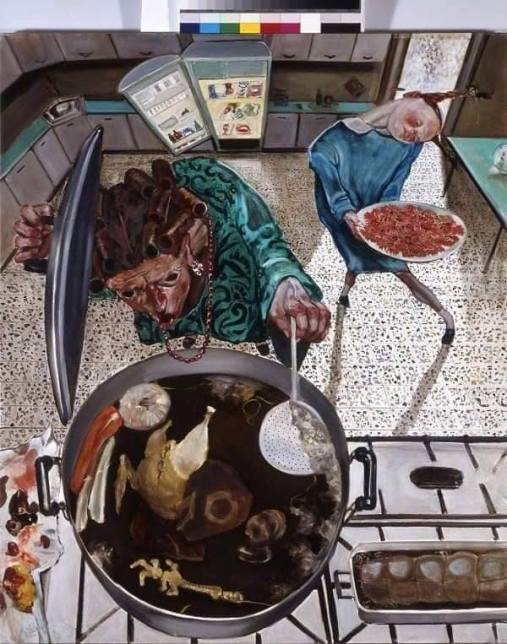
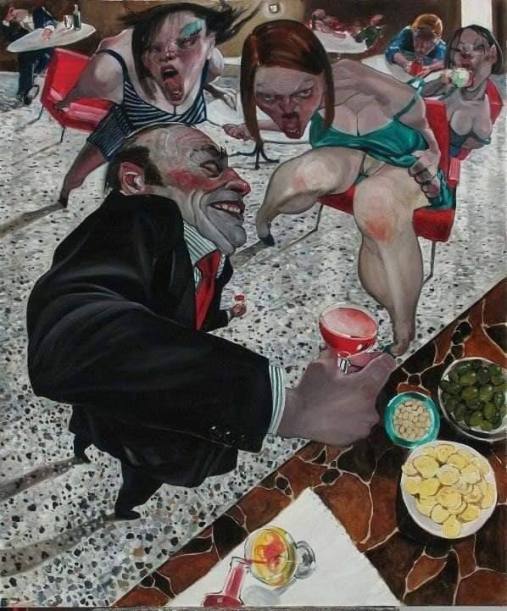
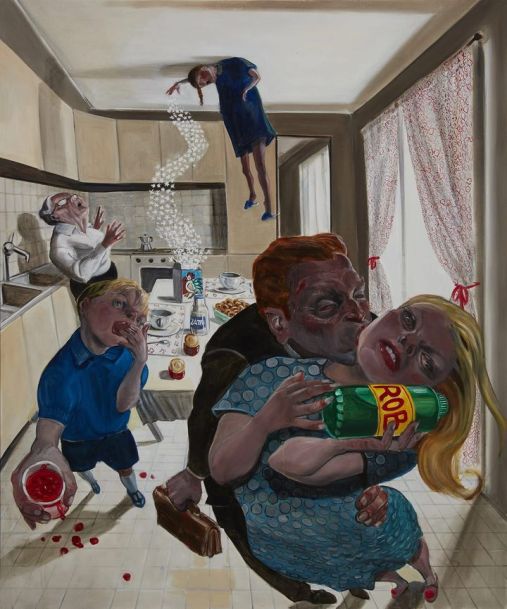
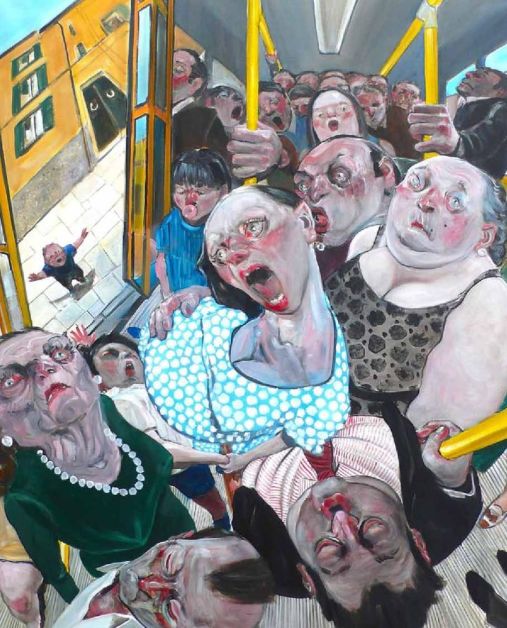
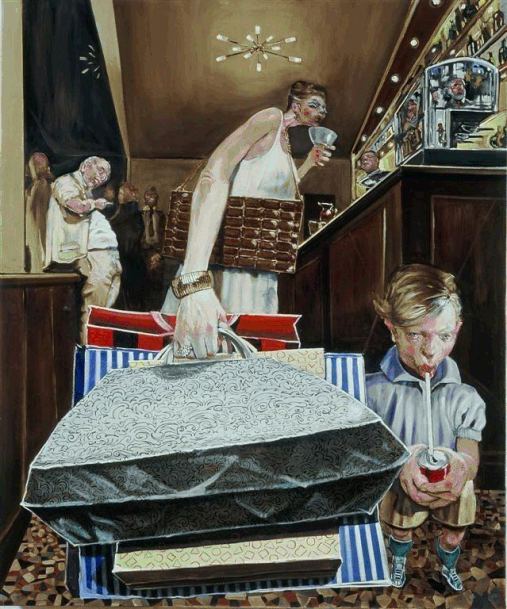
Today, I want to share with you an artist whose works are truly bizarre—Enrico Robusti (born 1956). Imagine putting door peepholes over your eyes instead of glasses, downing some vodka, and then visiting your relatives after banging your head a couple of times on a speeding tram. The result? Probably nothing good, but at some point, you might start seeing something akin to what this artist captures in his paintings.
I’ve always believed that consistency and the development of a unique style are more important for an artist than technique. Even if that style is highly controversial, over time it gains value. Perhaps only among a small circle of enthusiasts, but that circle forms a solid foundation for future popularity, and who knows—you might even leave a lasting mark on art history.
I can’t say I like Enrico Robusti’s work, but I can’t deny that it grabs your attention and stands apart from everything else. Yes, the pieces are somewhat repulsive—some even more than others—but that’s precisely the point, so it works.
Posts like this are grouped under the hashtag #artrauflikes, and all 109 of them are available on beinginamerica.com in the “Art Rauf Likes” section (unlike Facebook, which tends to forget—or ignore—nearly half of them).
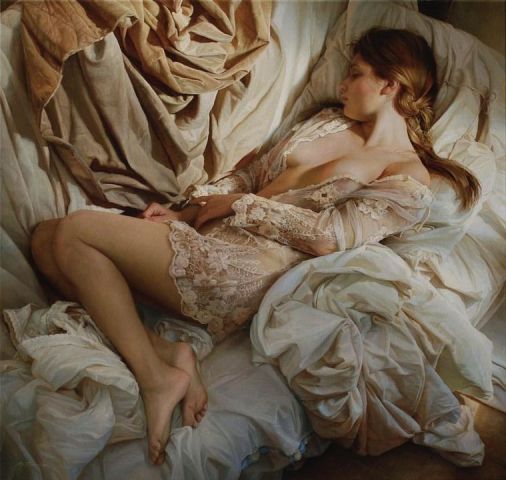
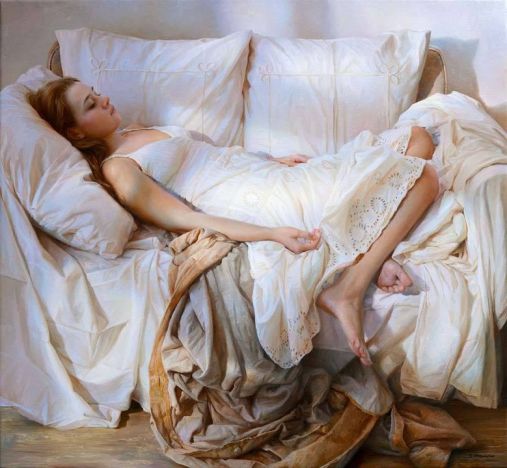
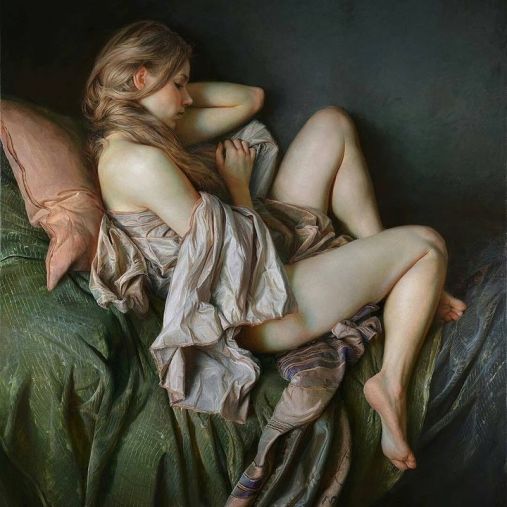
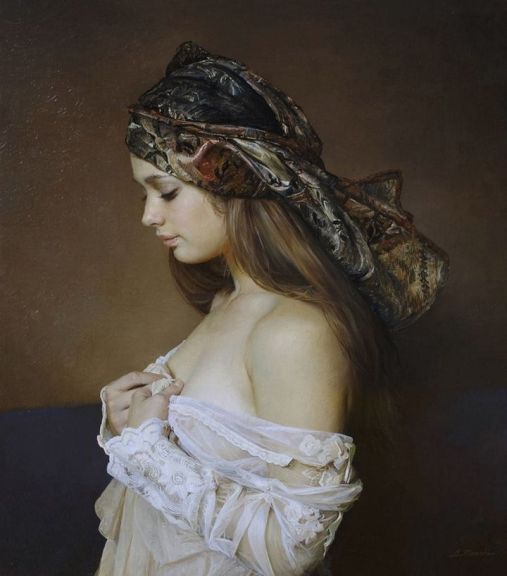
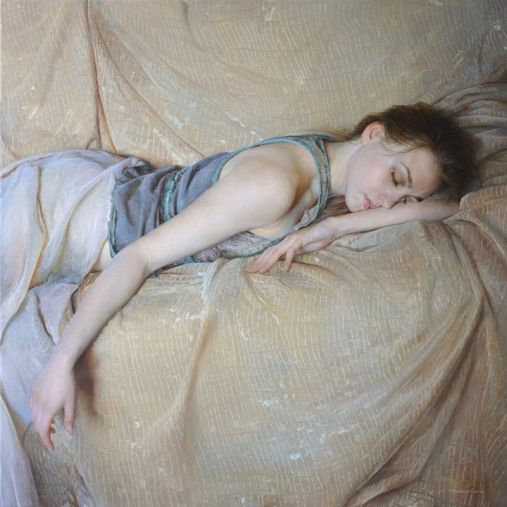
Today, the artist who adores capturing the stunning repose of maidens—Serge Marshennikov (1971)—continues to astound. Quite an achievement for a graduate from the Ufa Art School. Some might question the purpose of crafting oil paintings that mimic photographs to a near-perfect degree. On the flip side, however, the artist’s role extends well beyond merely transferring an image onto canvas. From conceptualizing and composing to setting the lighting and evoking the intended emotional response in viewers, every facet is impeccably realized here.
Related posts are found under the tag #artrauflikes, with all 108 entries available in the “Art Rauf Likes” section at beinginamerica.com (unlike Facebook, which overlooks nearly half).
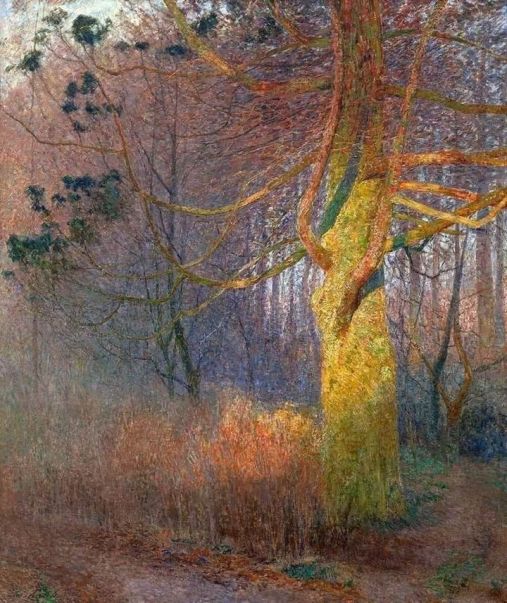
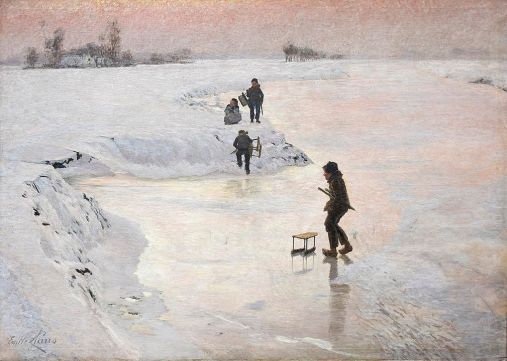
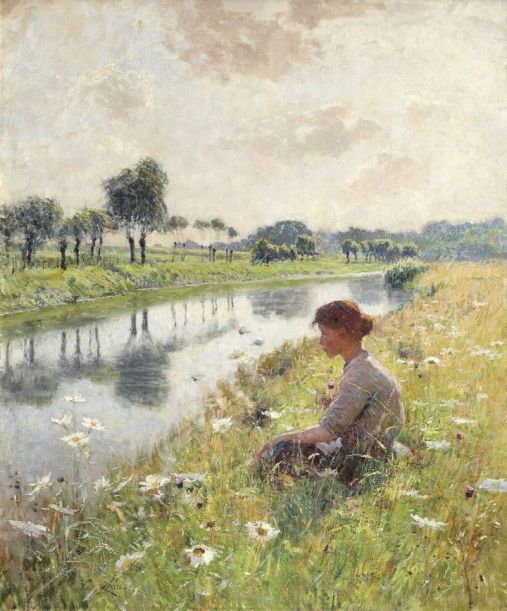
I find myself returning to the “classics” from contemporary artists once again. Today, it’s the paintings of Emile Claus. In just a couple of days, he’ll be celebrating his 175th anniversary.
Impressionism, my favorite art movement, this time in its Belgian form. Claus’s technique gave rise to the artistic movement known as “luminism.” Other artists associated with this style include Joaquín Sorolla, whom I wrote about earlier in May.
Posts like these are grouped under the hashtag #artrauflikes, and you can find all 107 of them in the “Art Rauf Likes” section on beinginamerica.com (unlike Facebook, which tends to overlook nearly half of them).
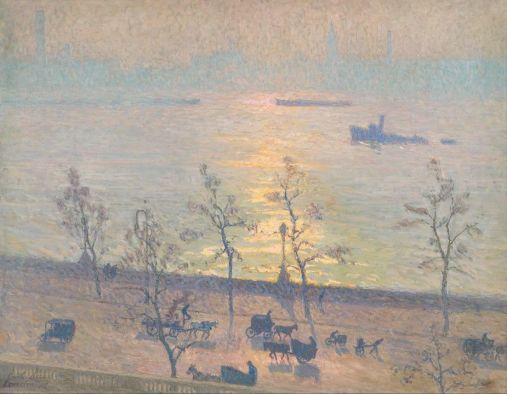
An interesting Canadian artist of Iranian descent, impressionist Mostafa Keyhani (born 1954). There is scant information available about him, yet each of his paintings narrates a tale—depicting cities, figures, emotions.
Similar entries are categorized under the tag #artrauflikes, and all 106 can be accessed in the “Art Rauf Likes” section at beinginamerica.com (in contrast to Facebook, which overlooks nearly half of them).
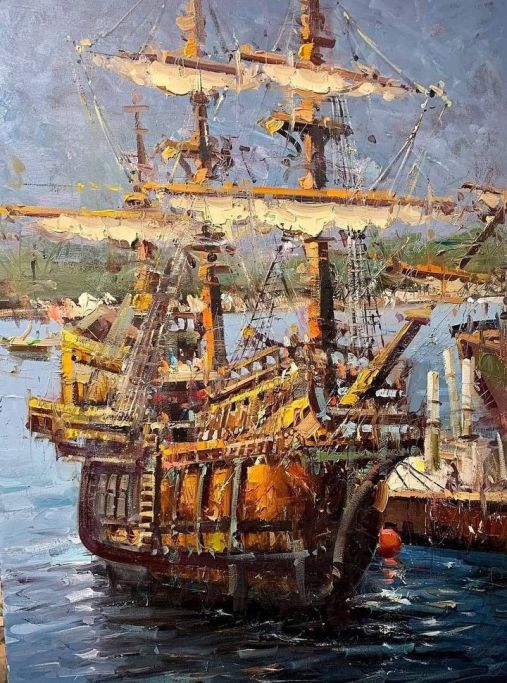
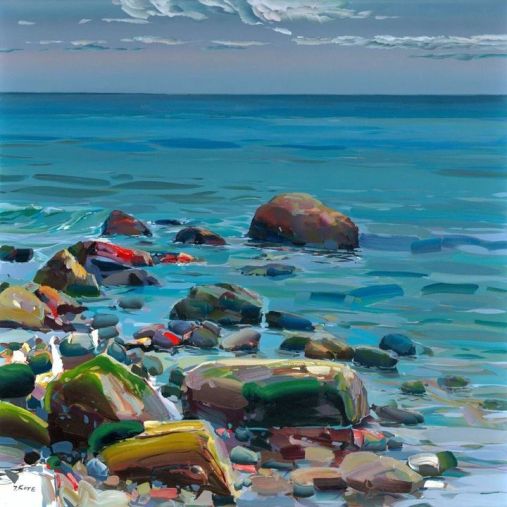
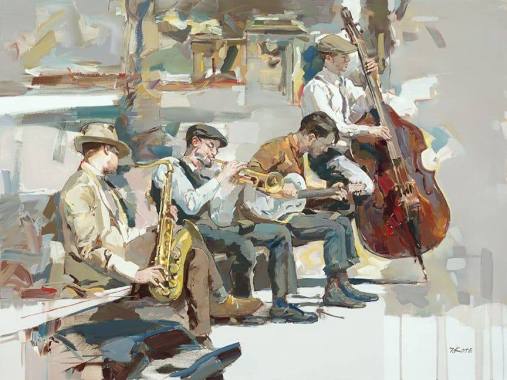
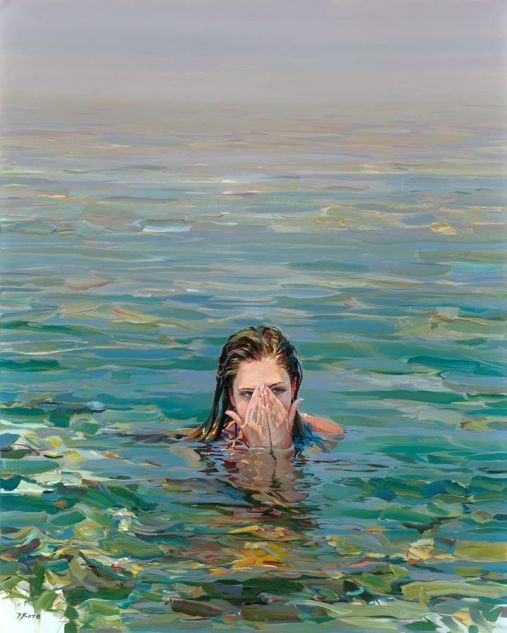
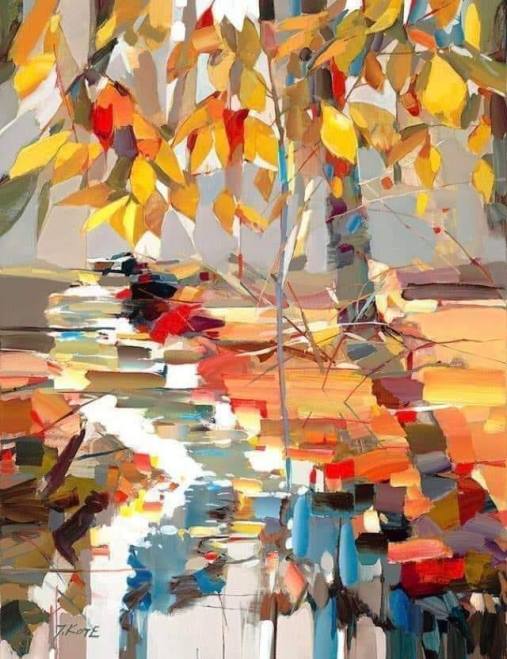
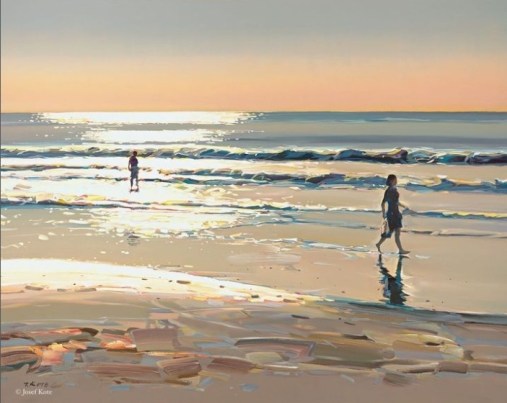
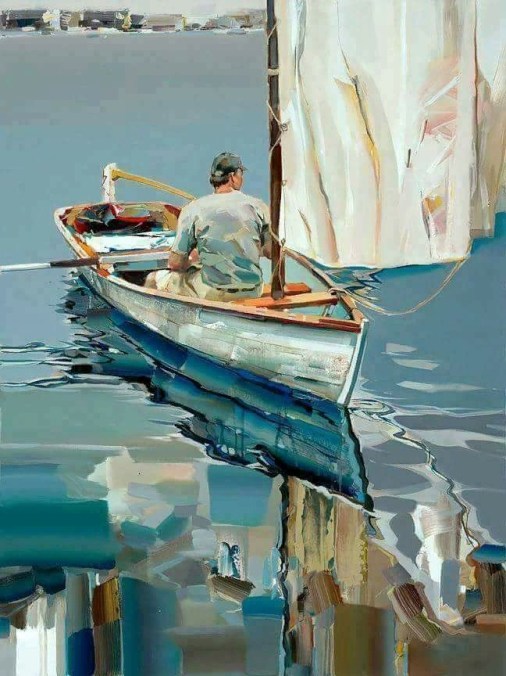
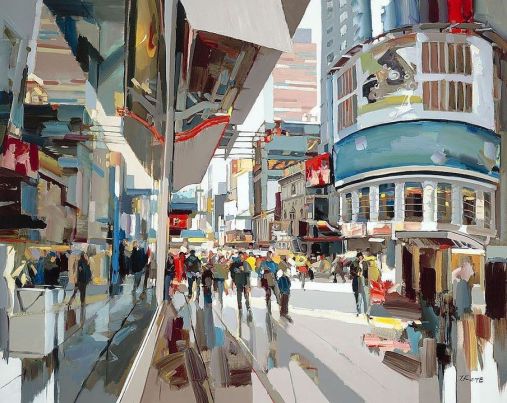
Josef Kote. While his subjects may seem simple, his unique technique and use of color immediately distinguish his works, making them highly recognizable. Essentially, his art revolves around four main themes—seascapes, cityscapes, landscapes, and what appears to be the same woman.
It also seems that he works exclusively with acrylic on canvas. Acrylic paints dry quickly, allowing the artist to layer strokes without waiting for them to dry. This means that blending, characteristic of oil painting, is almost nonexistent in acrylic unless special additives are used to slow drying. However, acrylics provide a brightness and color saturation that oil paints cannot achieve.
Similar posts are grouped under the hashtag #artrauflikes, and on beinginamerica.com in the “Art Rauf Likes” section, you can find all 105 of them, unlike Facebook, which seems to overlook nearly half.
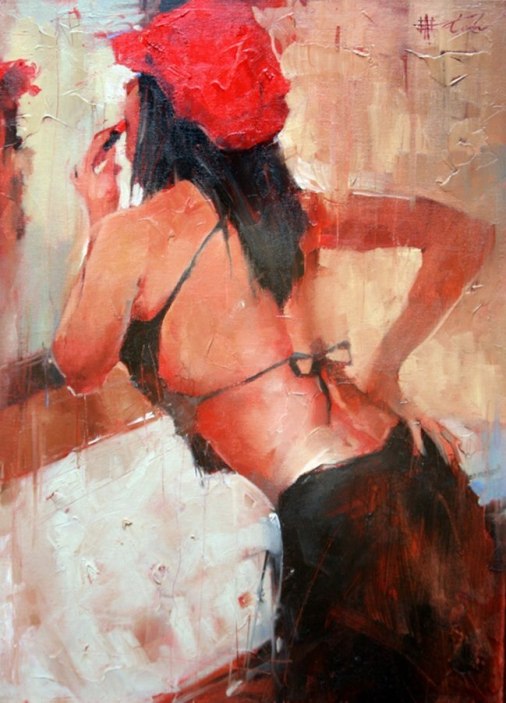
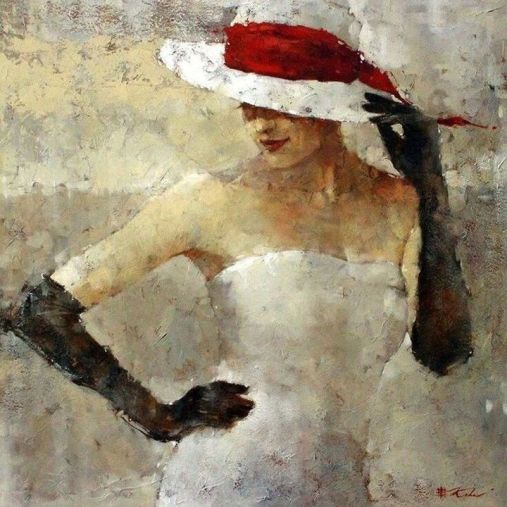
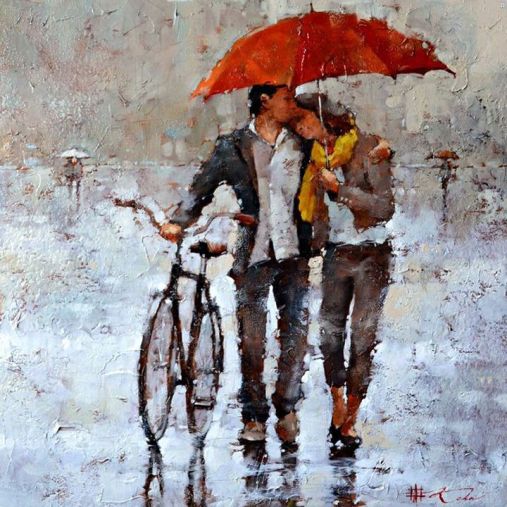
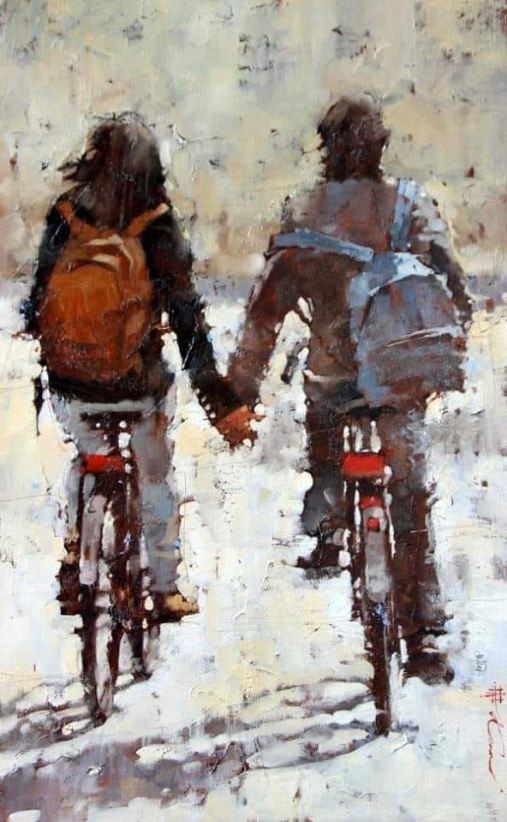
Andre Kohn is an athlete from Volgograd, who later became an impressionist painter in the United States. His works often depict solitary couples in a black, white, and red palette. Personally, I find it a bit dull—clichéd red hats and red umbrellas—but people seem to like it. For some reason, he also avoids painting faces. Yet, if you examine all his works, he is quite an interesting and unique artist.
Posts like this are tagged #artrauflikes, and all 105 can be found in the “Art Rauf Likes” section at beinginamerica.com (unlike Facebook, which forgets—or ignores—nearly half).
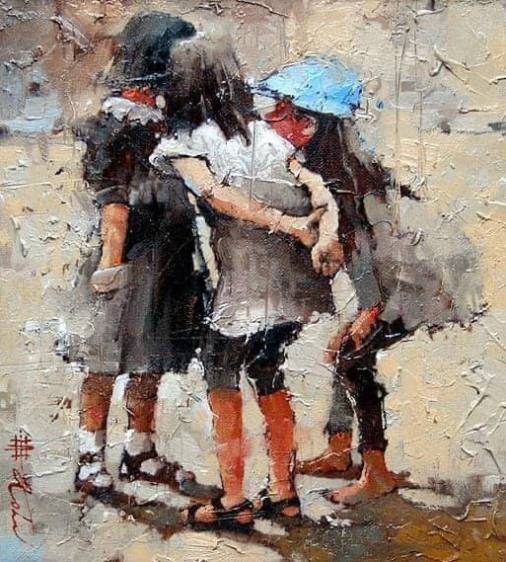
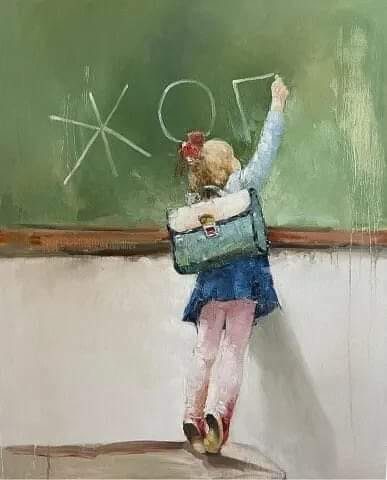
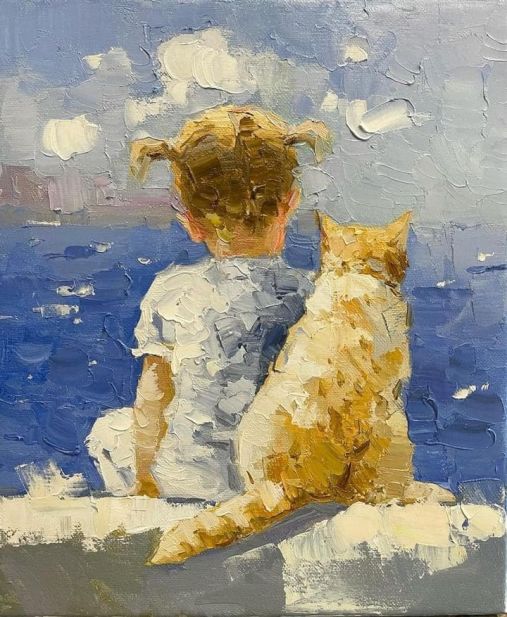
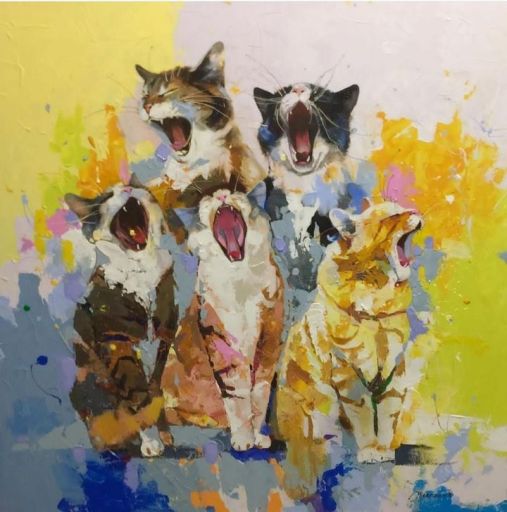
An intriguing artist — Inessa Morozova, Moscow, Russia.
The first painting in her gallery is titled ЖОРА. ЖОРА is a male name. The humor of the artwork stems from the fact that only half of the name is displayed, and what initially springs to mind is something akin to “ass” (in Russian, ЖОПА). However, the painting is indeed named ЖОРА, and therein lies its wit.
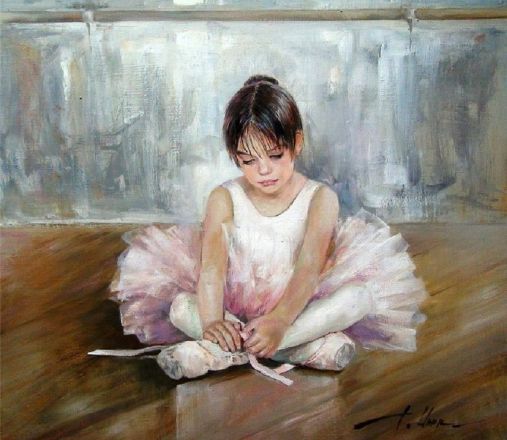
The principal motifs are children and childhood. Its tone bears a slight resemblance to Nastasya Chudakova, yet the technique veers more towards impressionism. She boasts numerous paintings, each surpassing the previous. I have selected what I believe to be the masterpiece.
Similar posts are aggregated under the hashtag #artrauflikes, and all 103 of them can be explored on beinginamerica.com in the “Art Rauf Likes section (unlike Facebook, which overlooks (or neglects) nearly half of them).
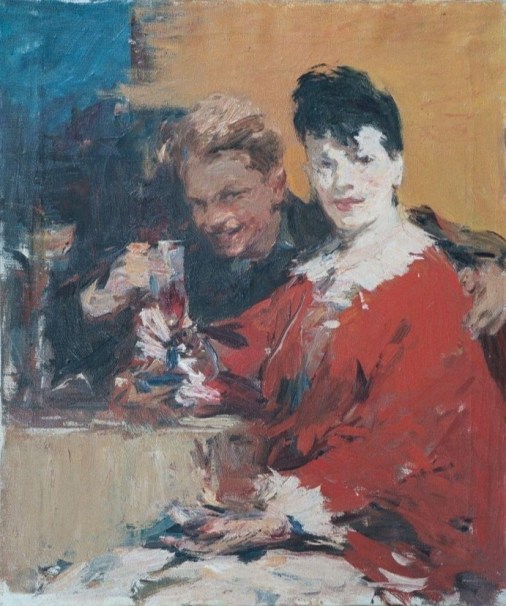
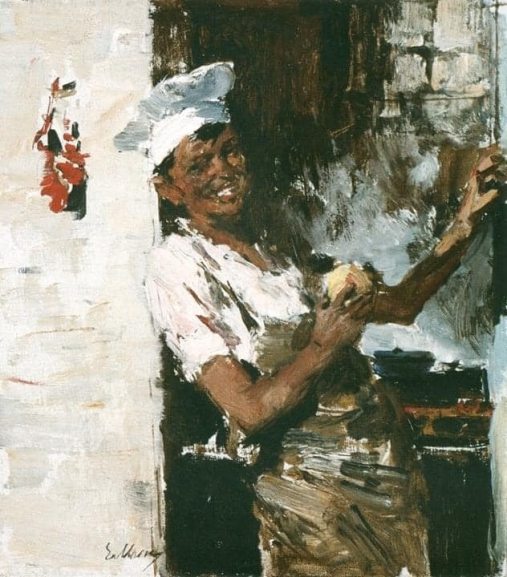
Today marks the birthday of an intriguing Soviet artist, Yevsey Moiseyenko. I’m convinced almost none of you are familiar with him. When the war erupted, Yevsey enlisted in the People’s Militia voluntarily. Along with his comrades near Leningrad, he was encircled and captured by the Nazis. He endured time in a concentration camp in Altengrabow until April 1945, when the prisoners were liberated by Allied forces. After his return to the front, he lived until 1988.
Posts like this are grouped under the tag #artrauflikes, and all 102 can be found in the “Art Rauf Likes” section on beinginamerica.com (unlike Facebook, which forgets—or ignores—almost half of them).
















































 Hi, I'm Rauf Aliev.