I will respond as a world-renowned art historian, specializing in contemporary artists, and recipient of the prestigious National Art Critics Award.
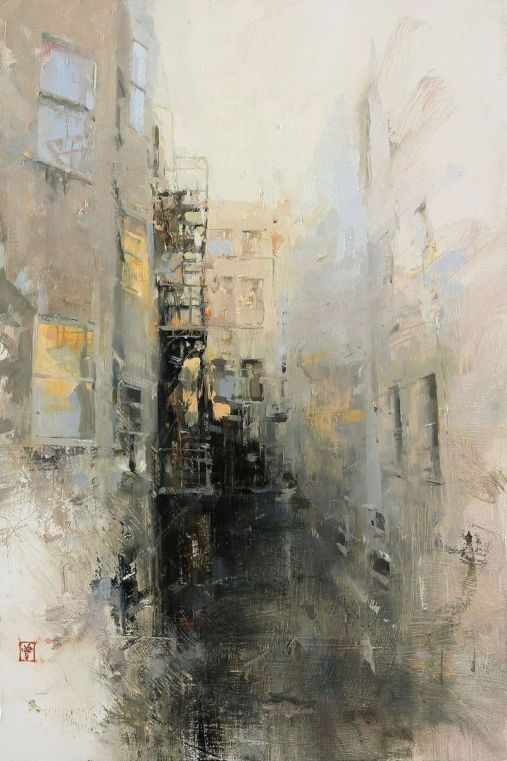
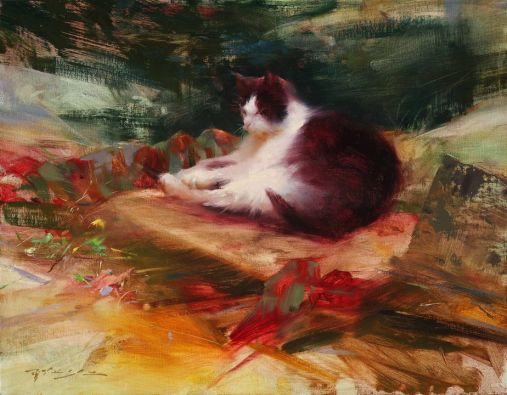
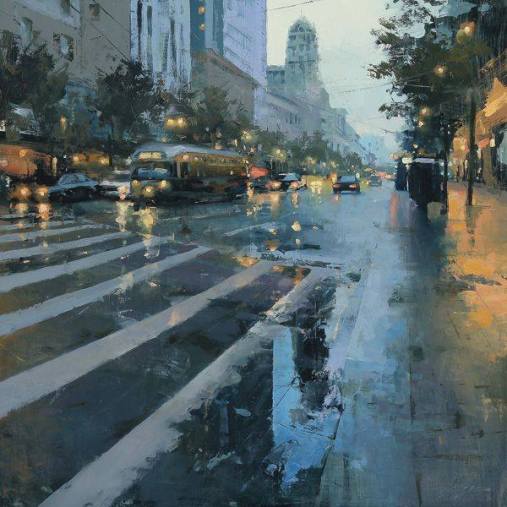
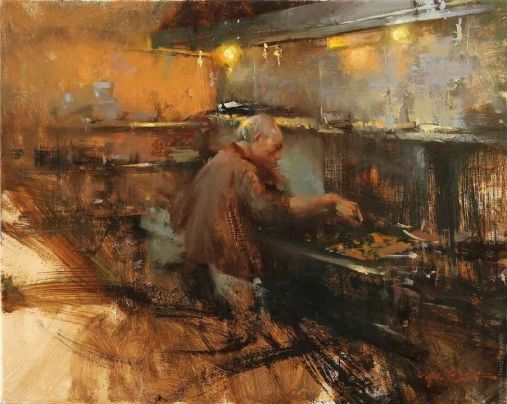
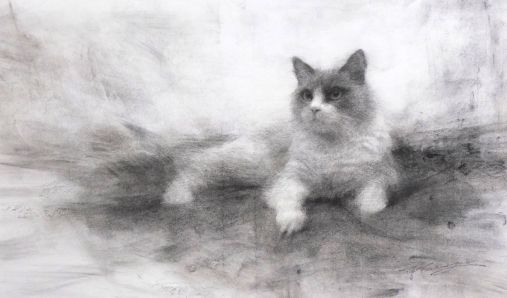
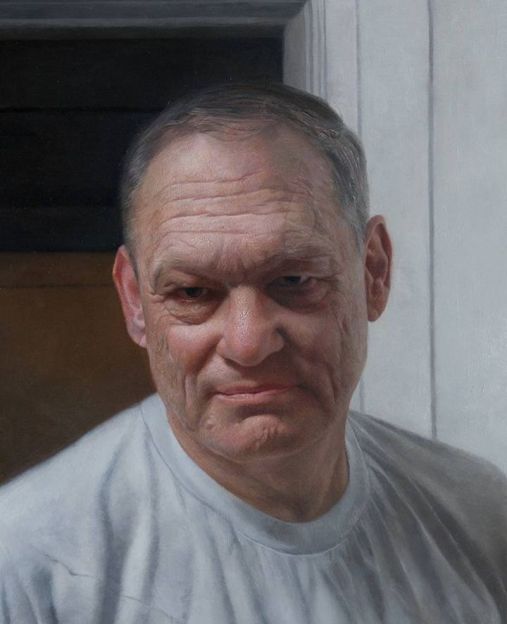
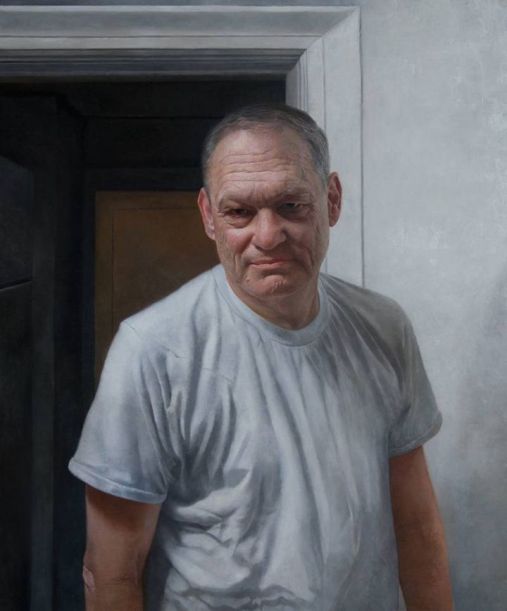
Today we will discuss the Taiwanese-American artist Hsin-Yao Tseng, who currently lives in San Francisco. His art primarily explores two themes: urban landscapes and portraits. A common trait in all of Hsin-Yao Tseng’s portraits is the absence of smiles; each subject appears deeply contemplative. Similarly, his urban scenes seldom reflect a positive ambiance. Notably, his charcoal drawings stand out as extraordinary. Indeed, inspired by his technique, I purchased some charcoal today to experiment with it myself.
For your information, posts like this are grouped under the tag #artrauflikes. You can access all 92 entries on beinginamerica.com in the “Art Rauf Likes” section—a contrast to Facebook, which fails to display nearly half of them.
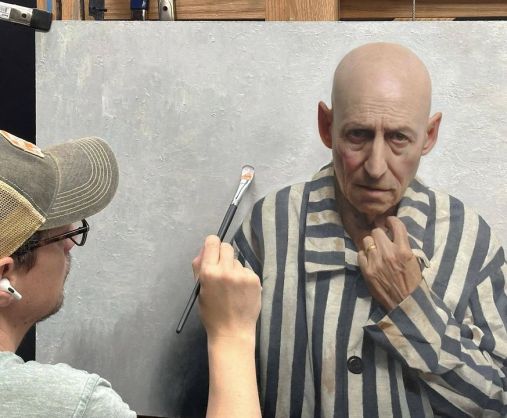
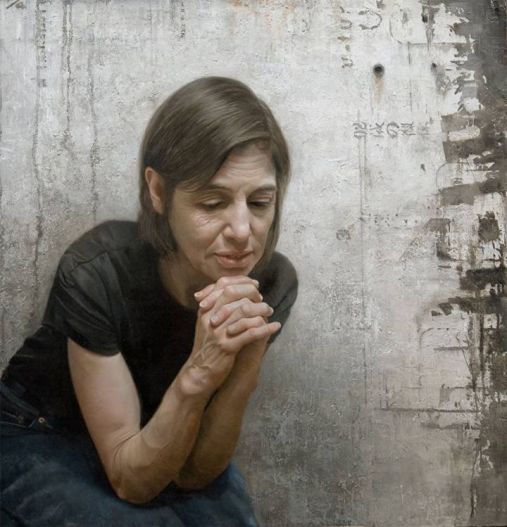
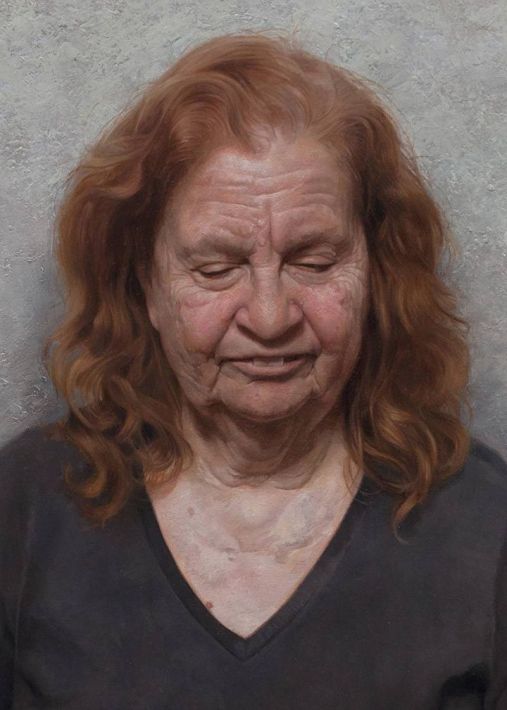
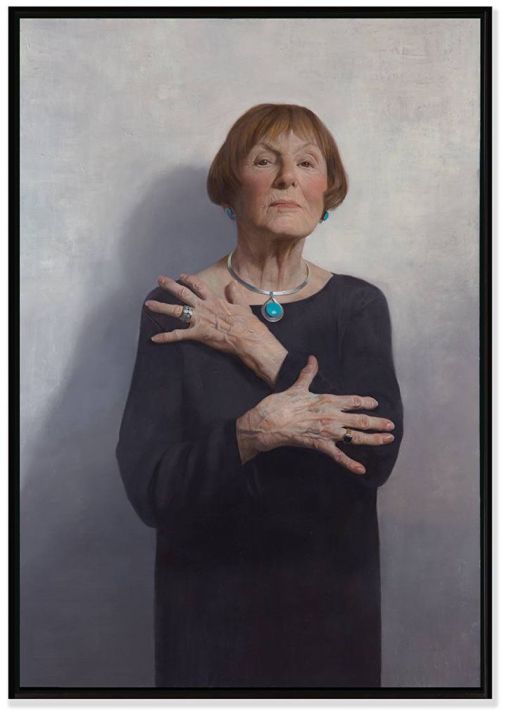
Over the past five years, artist David Jon Kassan has been documenting the testimonies of Holocaust survivors worldwide, both through paintings and recorded interviews. In this collection, I am including other paintings as well.
I would like to remind you that such posts are grouped under the tag #artrauflikes, and all 90 of them can be found in the “Art Rauf Likes” section on beinginamerica.com (unlike Facebook, which overlooks nearly half of them).
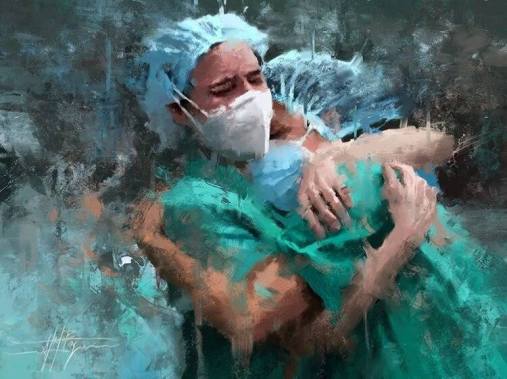
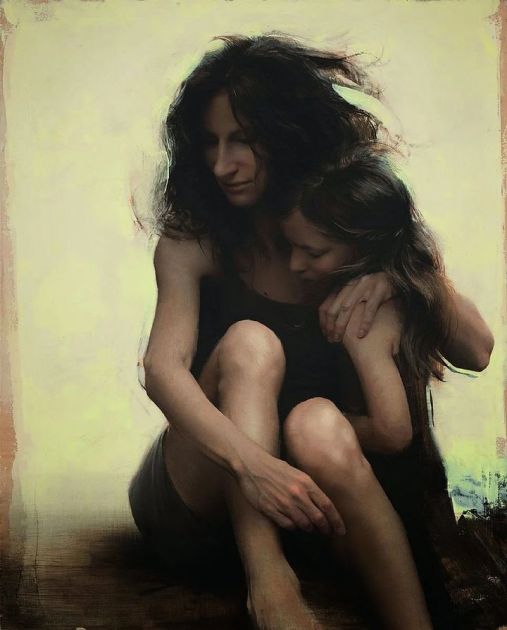
Alexis Le Borgne is a French artist and graphic designer of Vietnamese descent. He successfully engages in traditional and digital painting, including watercolor, pastel, and oil. He works as a Concept Artist at Ubisoft on the Beyond Good & Evil II project. His works are outstanding.
Remember that similar posts are grouped under the tag #artrauflikes, and on beinginamerica.com in the “Art Rauf Likes” section, all 89 posts can be found (unlike Facebook, which neglects almost half of them).
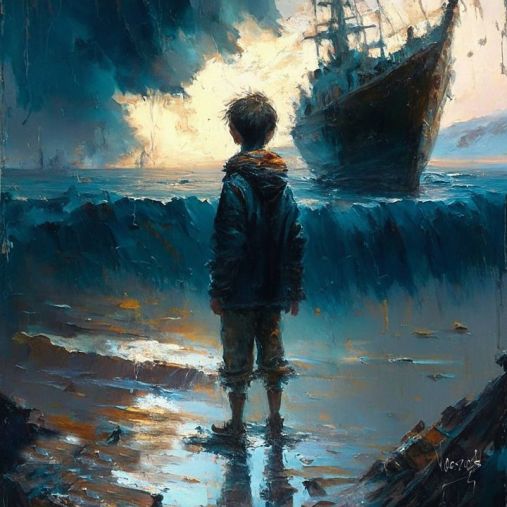
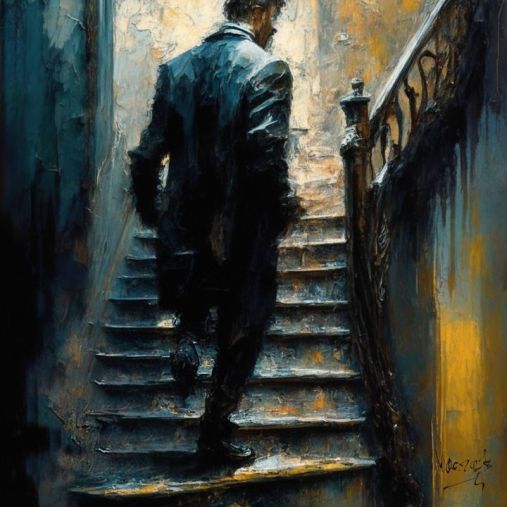
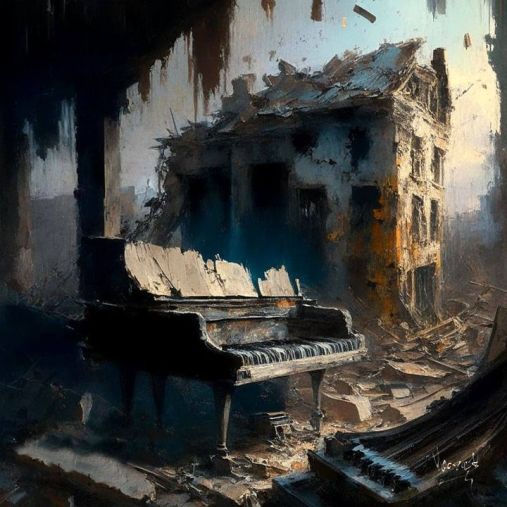
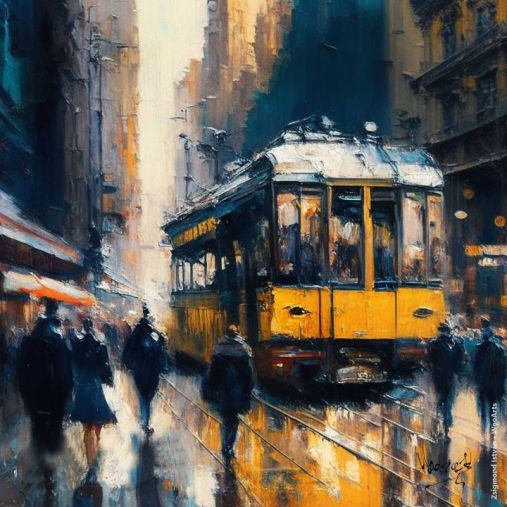
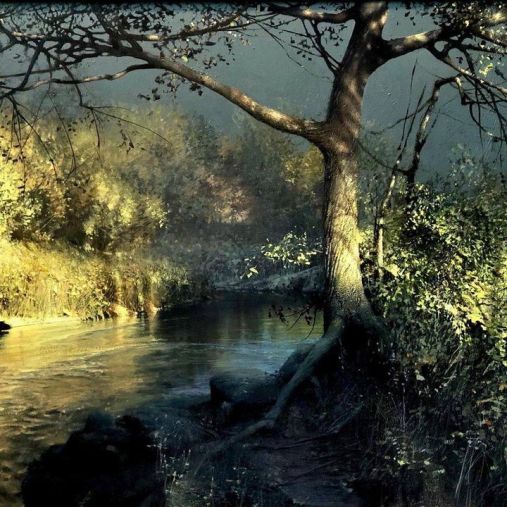
Zsigmond Istvan, a Hungarian artist, is the first in my series on digital artists. He might also be the last. It’s not that I have any particular stance on digital art; it’s just that with the advent of AI, it has become increasingly difficult to discern what truly goes into the creation of a piece. Zsigmond created his works before the arrival of tools like Midjourney, and he undoubtedly possesses talent, skills, and abilities at a level that seems almost otherworldly to me. It is noteworthy that his paintings roughly fall into two categories: violet-yellow with deep shadows and watercolor emulations. Personally, I prefer the watercolor emulations. He himself says that he “invented” a technique that uses traditional watercolor in combination with digital painting. The details of this technique are not disclosed.
I remind you that similar posts are grouped under the hashtag #artrauflikes, and all 88 can be found in the “Art Rauf Likes” section on beinginamerica.com (unlike Facebook, which overlooks almost half of them).
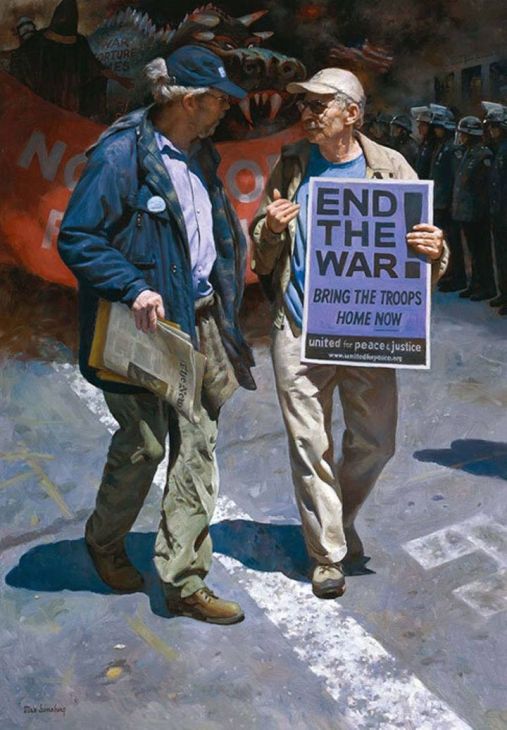
Today, meet Max Ginsburg. He paints the everyday life of New York streets. His works vary greatly in mood, but notice that they all have the same “signature.”
It’s a fascinating exercise to find common elements in different works by the same artist. Not in the sense that if everyone, including women, looks like Putin, it’s Jan van Eyck; if there are huge backsides, it’s Rubens; if you see an Excel sheet with colored areas, it’s Mondrian, etc. But rather in the technique, brushstrokes, color, how contrast is conveyed, and so on. Unfortunately, these nuances are not always visible in digital reproductions.
I’ve long sought an engineer’s answer to why visit museums when everything is available online. Of course, someone who visits museums willingly probably doesn’t ask this question anymore. But still, let me explain. In past centuries, painting techniques often included the use of opaque pigments to create a monochrome underpainting (grisaille), over which layers of transparent colored glazes were applied (a varnish diluted to transparency with a lacquer-based medium, slightly tinted with pigments). This achieved depth of color and subtle transitions. The result was something like a very thin colored glass over a monochrome image. Light falling on it would reflect within this layer and become tinted. Such an effect can’t even be closely replicated in a photograph or on a computer screen.
Max Ginsburg’s technique doesn’t fall into this category, but his work conveys something no photograph can. And yes, his painting is very American. That too is part of his recognizable style.
Remember, similar posts are grouped under the tag #artrauflikes, and all 87 can be found on beinginamerica.com in the “Art Rauf Likes” section (unlike Facebook, which forgets about almost half of them).
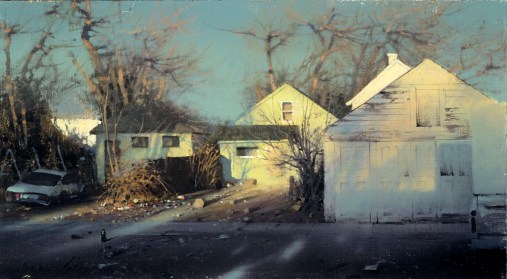
Meet Daniel Sprick (born 1953), an American artist. Yes, it’s hyperrealism again, but with a unique twist. His works deserve a closer look. If they were photographs and not oil paintings, they would still classify as art fit for the finest museums.
Remember that similar posts are compiled under the tag #artrauflikes, and on beinginamerica.com you can find all 86 posts in the “Art Rauf Likes section, unlike Facebook, which tends to forget (or clutter) nearly half.
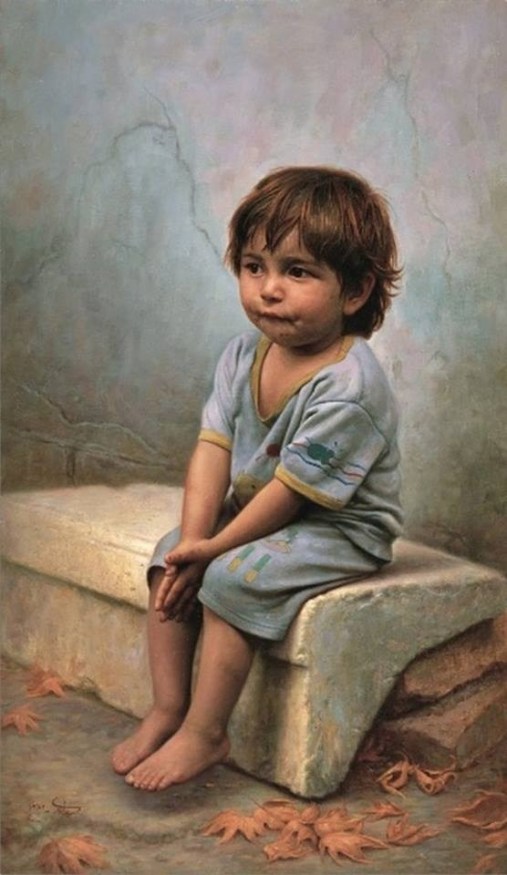
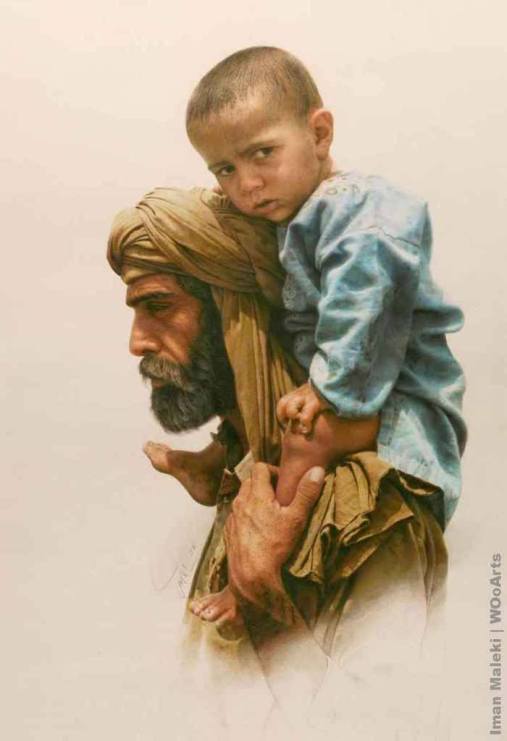
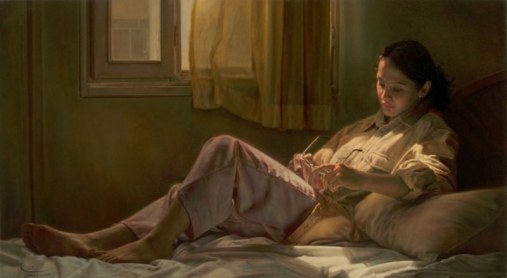
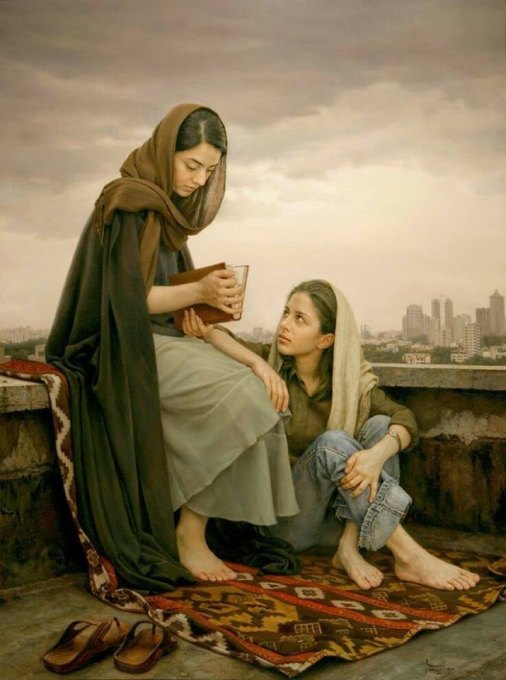
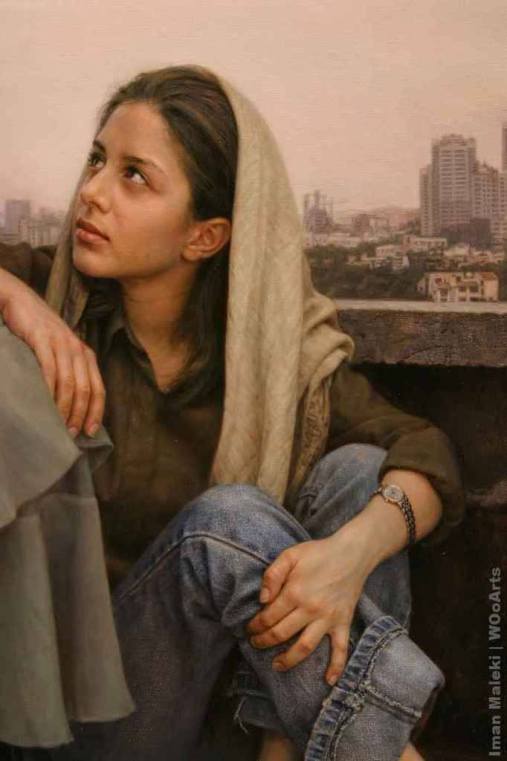
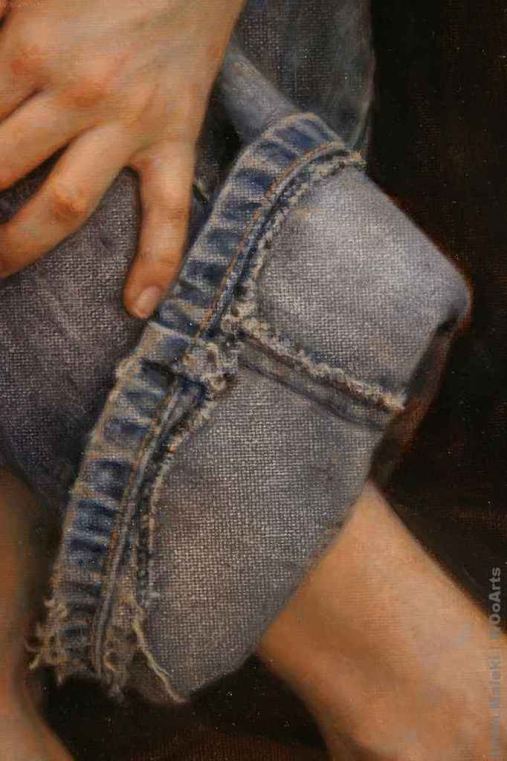
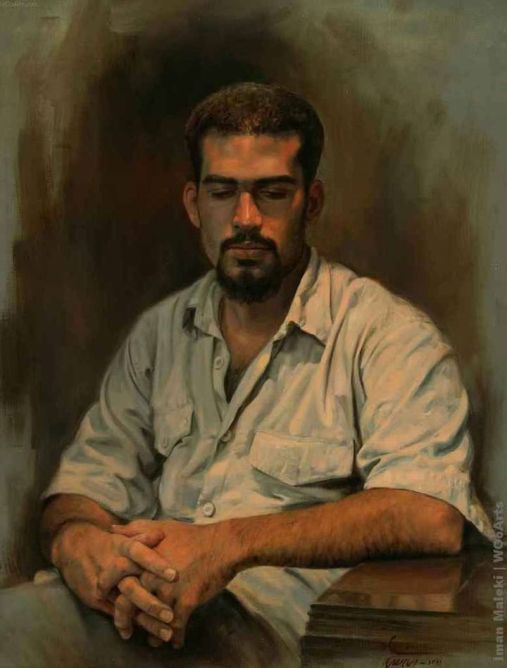
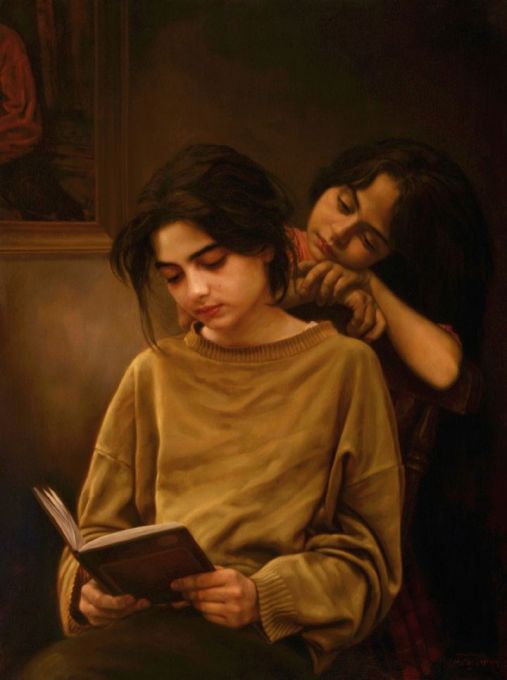
Today, I’m introducing you to the Iranian artist Iman Maleki (born in 1976). Since we’re delving into photorealism, he serves as an excellent example.
I remind you that similar posts are grouped under the hashtag #artrauflikes, and on beinginamerica.com, in the “Art Rauf Likes” section, you can find all 85 posts (unlike Facebook, which forgets about nearly half of them).
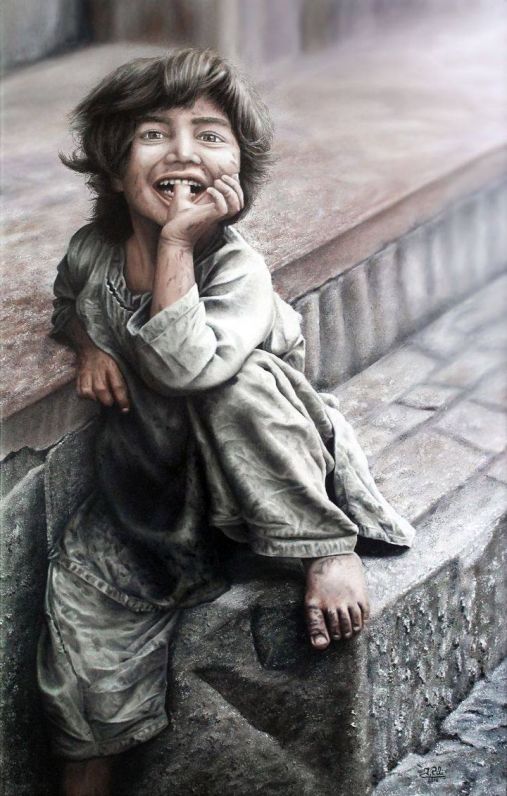
An intriguing contemporary artist from Italy is Ivan Pili (born in 1976), who excels in hyperrealism. Personally, I am not a big fan of hyperrealism, particularly when it fails to offer anything novel beyond traditional photography (For instance, William Harnett in the 19th century did something alike, but, as they say, feel the difference. I need to write about him tomorrow). Nevertheless, among the numerous hyperrealists, the works of Ivan Pili distinguish themselves with a unique ambiance. Thus, let’s warmly welcome him to our circle #artrauflikes. Under this hashtag, you might find the other 84 posts about fascinating artists, but since Facebook can be inefficient, you might also want to check beinginamerica.com where they are all collected in the Art Rauf Likes section.
Here is your text with the translation into English, preserving your style and keeping the HTML tags intact:
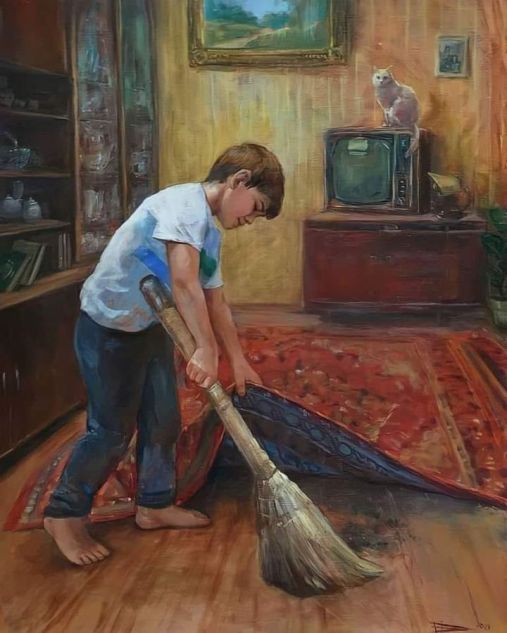
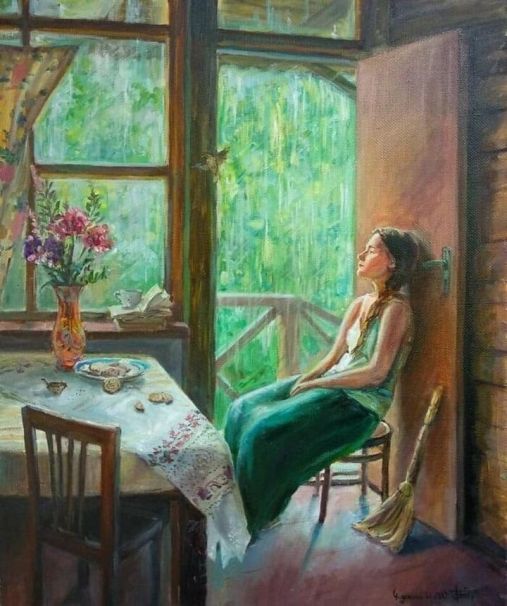
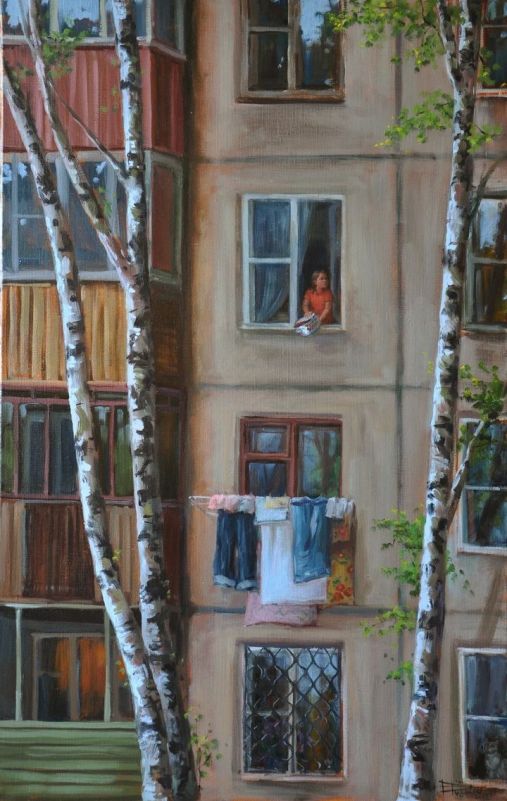
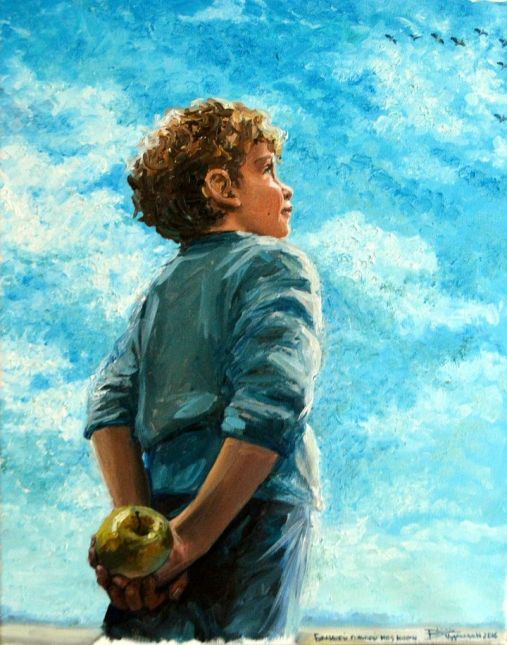
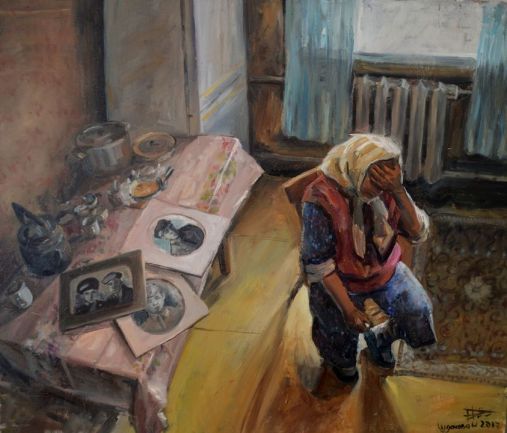
Nastasia Chudakova. The atmosphere feels similar to the previous post, yet the method employed here leans towards the more conventional. The artwork displays scenes of children, cats, and village lifestyles. There features no critique of either bygone or contemporary times—merely a portrayal of the essence of rural Russia characterized by children and cats. It’s quite touching.
Do recall that posts of a similar nature are compiled under the hashtag #artrauflikes, and on beinginamerica.com under the “Art Rauf Likes” category, where all 83 are listed (unlike Facebook, which tends to omit nearly half).
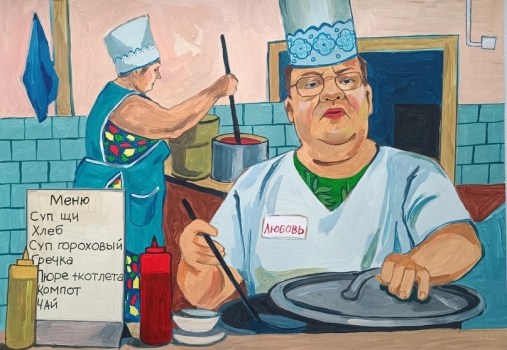
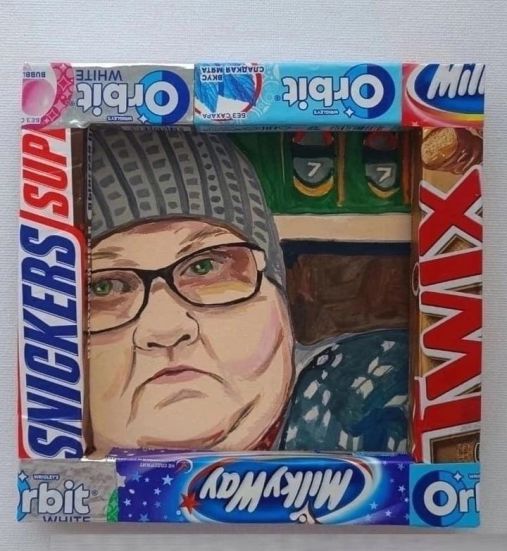
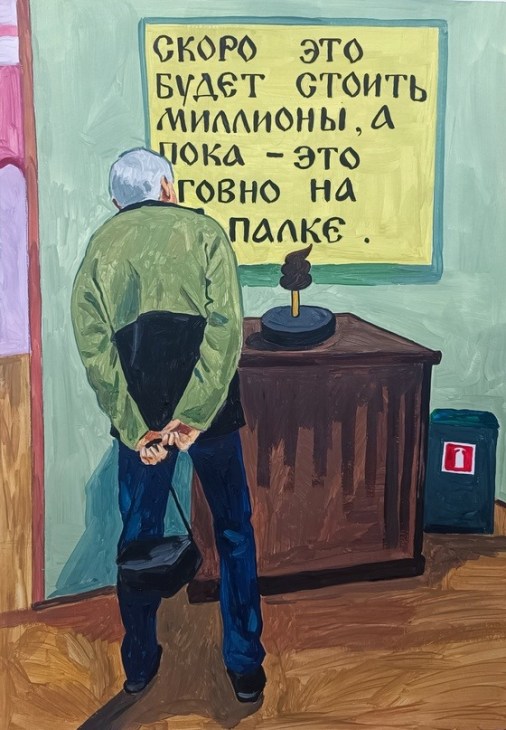
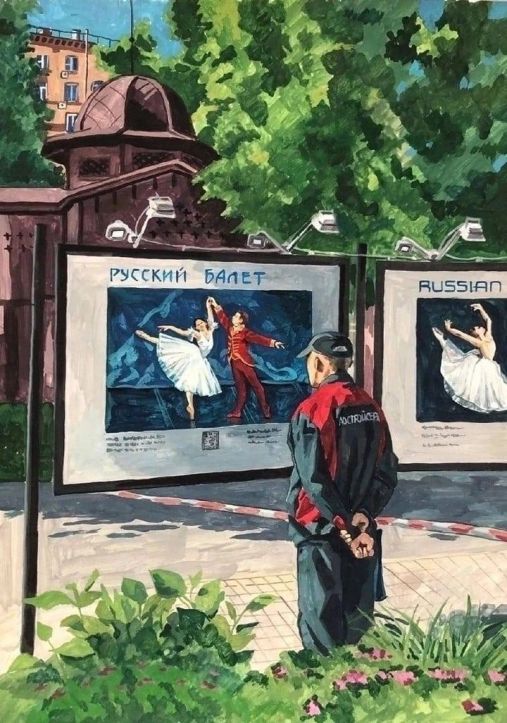
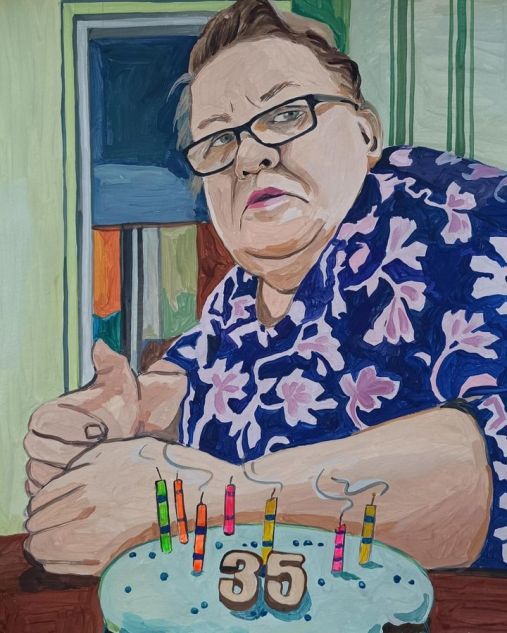
Elena Zaprudskikh is an artist whose works reflect the life of rural Russia. If there’s satire, it’s kind-hearted. Here’s the first painting with chefs called “I want Tom Yum.” Isn’t it wonderful? And the painting with a cake labeled “35” and the caption “When will you move out?!” is also wonderful.
Until recently, Elena worked as a flight attendant and traveled a lot across the country – to “God-forsaken towns,” where she nevertheless found expressive subjects for her paintings.
The artist’s works are a kind of journey across the vast country, where along the way you will definitely encounter a village shop with old accounts and Soviet scales, swans made from car tires near the entrances, a clothing market with cardboard cutouts for trying on trendy novelties, grandmothers in colorful robes guarding the order, and a kiosk named “Alcopolis” against the backdrop of a mural calling you to the discipl,” “& discipline,””& discipline,” discipline,””& calling you to the deceityour baptized by the vitalicus.”stars.
Isn’t it great when artists have a healthy sense of humor? Unfortunately, though, such humorists don’t last long in Russia. I wish Elena all the brightest and kindest!
Remember that similar posts are grouped under the hashtag #artrauflikes, and on beinginamerica.com in the “Art Rauf Likes section, there are all 81 (unlike Facebook, which forgets about almost half).











































 Hi, I'm Rauf Aliev.