
Very interesting piece about Van Eyck by Mikhail Meyzluls. I should listen to his talks about Bosch next
Tag: facebook

February 15 2022, 01:59
Reviewed it as if it was the first time. This time in the original.
Fifteen to twenty years were enough for the part of the brain that stores movie plots to retain nothing but the title and Harry Oldman’s character’s pipe from the film. Corrected that.
If you missed it — definitely check it out. That’s the kind of humor I like (unlike “don’t look up”)

February 14 2022, 18:10
Yes-ess-ess-ess, a score of 12-0 in favor of the opponent is a serious threat to our team! But not all is lost yet—in the end, it’s only the third minute of the match!
February 14 2022, 16:02
The etymology of the word “холостой” is interesting. If you think about it, it means “not producing useful work, not initiating movement”. For example, a blank shot, a blank cartridge, an idle stroke. It turns out to be a somewhat offensive definition of an unmarried man 🙂 However, unlike “неженатый”, “холостой” is not gender-specific. By the way, “холостяк” in English is “bachelor,” i.e., a bachelor’s degree.

February 14 2022, 10:29
Previously, a job’s perks included flexible schedules, working from home, and the optional nature of office attendance. I wonder if the pendulum will swing the other way in the coming years, when office perks begin to outweigh remote work? Back in the day, I worked at a company called ENTER, which had a real focus on office presence and socialization (shoutout to Ekaterina Belousova, Ekaterina Liseycheva, and Alexey Dmitriev!). There were things like gaming Thursdays (every Thursday after work the whole office would play various games), themed costume Fridays, and so forth, which created emotional attachment and served as a non-material incentive for certain people (not everyone, as those who don’t fit this mold typically don’t get hired). Cynically speaking, from a business perspective, it’s indeed a very effective tool. Nowadays, with remote work, money plays a bigger role. Essentially, the situation resembles a competition between hotels on booking.com – the one with the lower price and sufficient quality gets more bookings. Other advantages are less considered now. Overall, working remotely has a big downside. It’s always easier to fire a name on a list than a real guy in front of you in the office, with whom you went to lunch every day.
It’s interesting, will the trend shift back to the office? I bet that it will, but it will take over the premium segment. Roughly speaking, it will be a privilege that has to be earned. Employees will crudely be divided into numbered agents somewhere in the system, and real people. Some from the first group will be happy with their situation, while others will aspire to be part of the second group, where both money and respect are higher.
February 12 2022, 13:24
You tell him how good he is, and he hears that you just ate fried chicken and didn’t share.

February 11 2022, 16:08
When one frost had passed and another had not yet set in

February 11 2022, 10:53
Today I woke up after a morning nap, in which the compiler told me about some code of mine, that it could not create a child node from two parents “for conservative reasons”. In the dream, I went to google what it meant, then searched the source code for any more messages like that, and that’s when I woke up.
February 11 2022, 08:24
“All clear. He’s stuck!” – someone’s voice came from the other side. “It’s because someone has doors that are too narrow!”

February 09 2022, 19:09
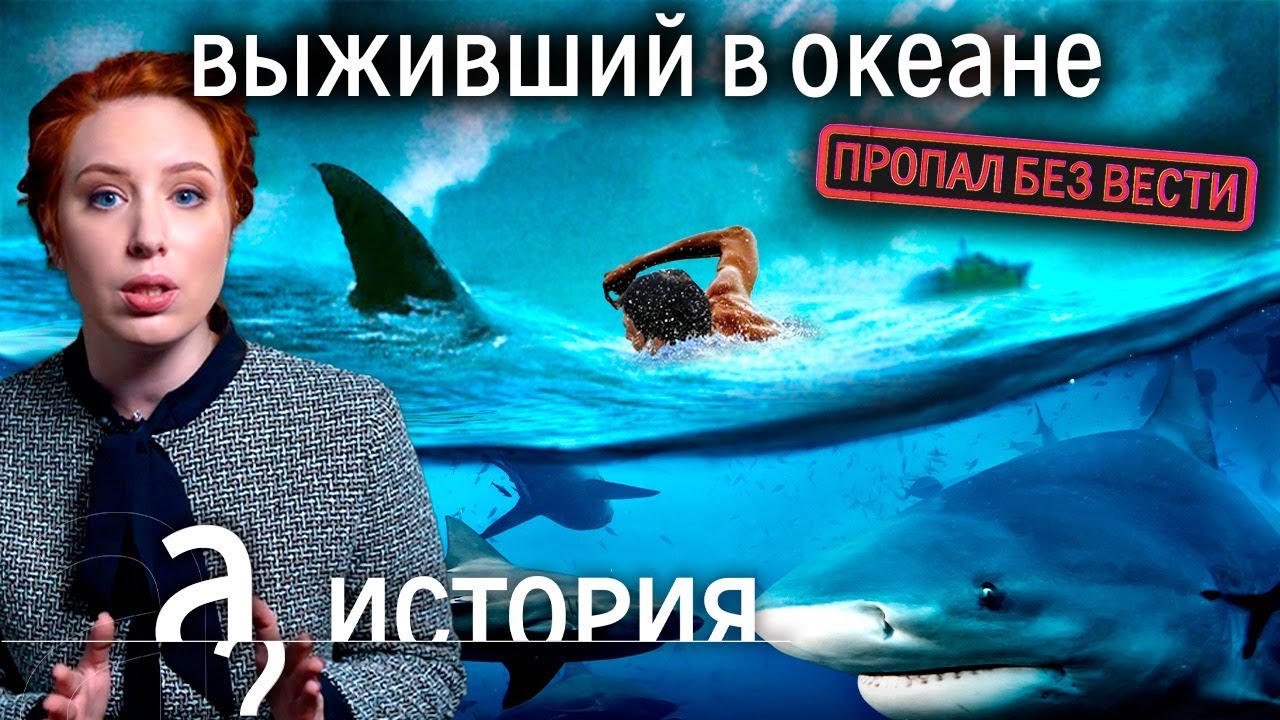
A very interesting story about Stanislav Kurilov and his dream as told by @[100001248794401:2048:Irina Shikhman]. How to escape from the USSR? She really excels at creating 20-minute informative videos.
Stories involving unusual defectors are always fascinating. There was also Petr Patrushev. It was somewhat easier for him than for Stanislav, but ultimately both made it, though they each spent some time in prisons in their destination countries. I also recalled Georgiy Gamov, who, according to Landau, was the best theoretical physicist of the Soviet school. There was a docuseries on the history of the hydrogen bomb that discussed him. He too tried everything to escape from the USSR: attempting to ski to Finland or to paddle from Crimea to Turkey in a kayak, but he never succeeded until by chance he was carelessly allowed on a business trip, and then he fled to the USA, where he then helped the Americans build the hydrogen bomb. The USSR was very upset about this and, in retaliation, did not allow Petr Kapitza to return to Cambridge, where he had been living and working. There was also the story of Yuri Vetokhin. Yuri, too, tried to escape from Koktebel by boat, but alas, was caught and spent nine years in a psychiatric hospital.
 Hi, I'm Rauf Aliev.