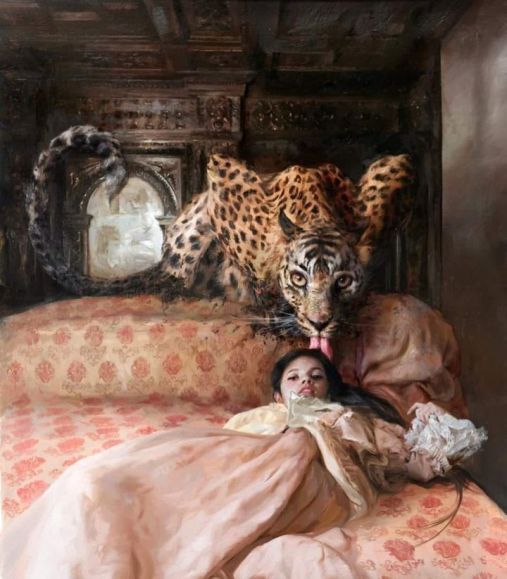
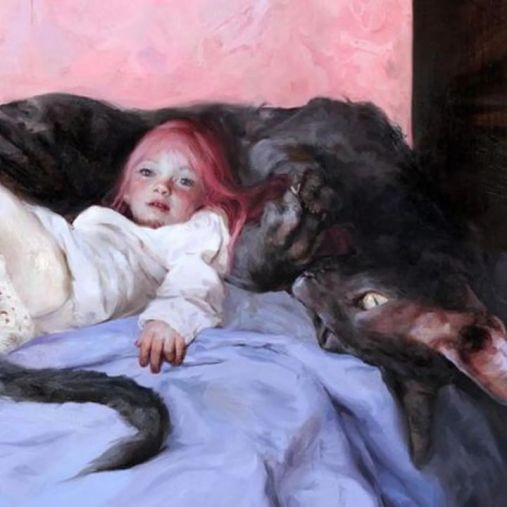
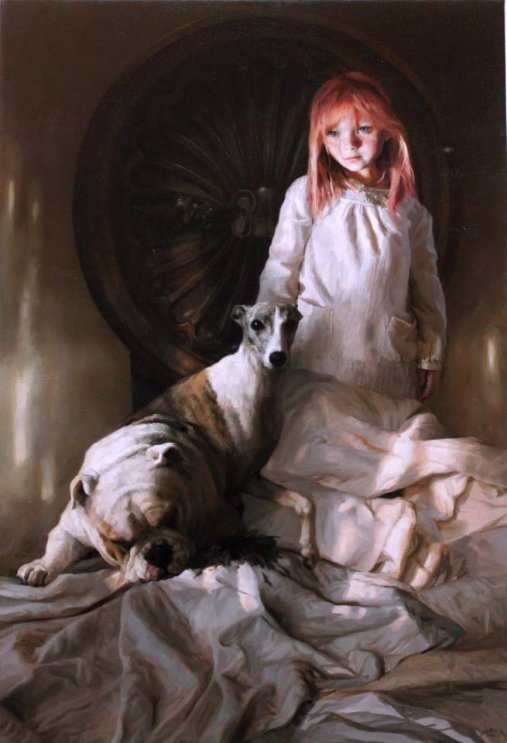
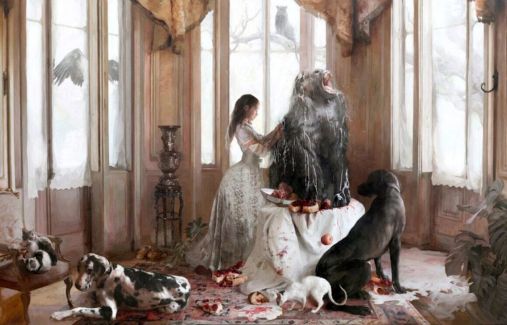
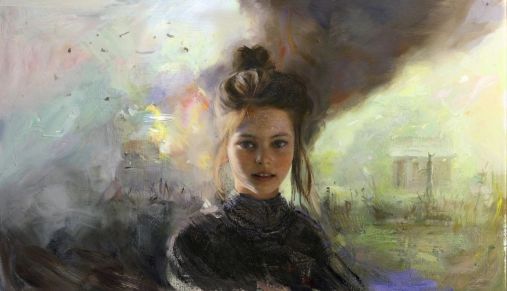
Today, I want to talk about an interesting contemporary artist, Guillermo Lorca García-Huidobro (1984). His works are very unusual and captivating, perhaps because they encapsulate childhood experiences and fears, each unique to the individual. His paintings feature little girls and all sorts of bizarre creatures in the form of their “pets”. I can’t say I’m thrilled by his art, but Guillermo definitely grabs attention and stands out among others.
I remind you that similar posts are grouped under the tag #artrauflikes, and on beinginamerica.com in the “Art Rauf Likes” section, all 64 (at the moment) are available (unlike Facebook, which forgets (ignores) almost half).
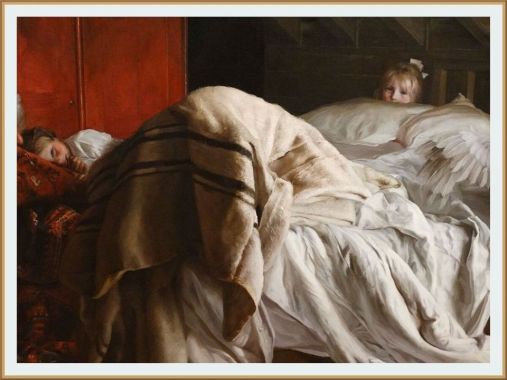
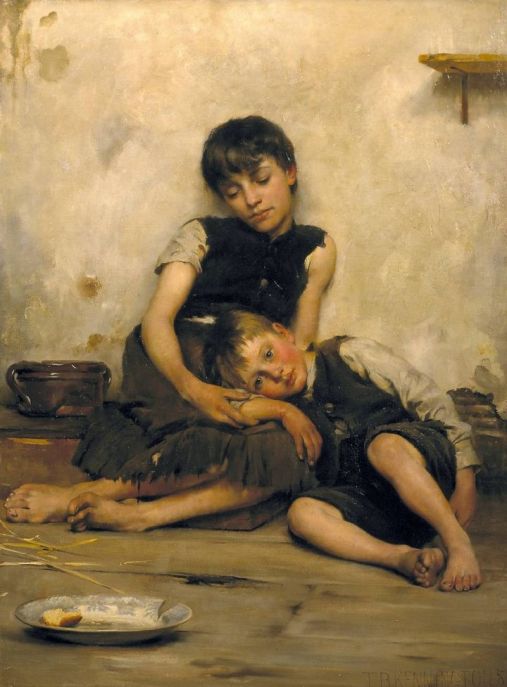
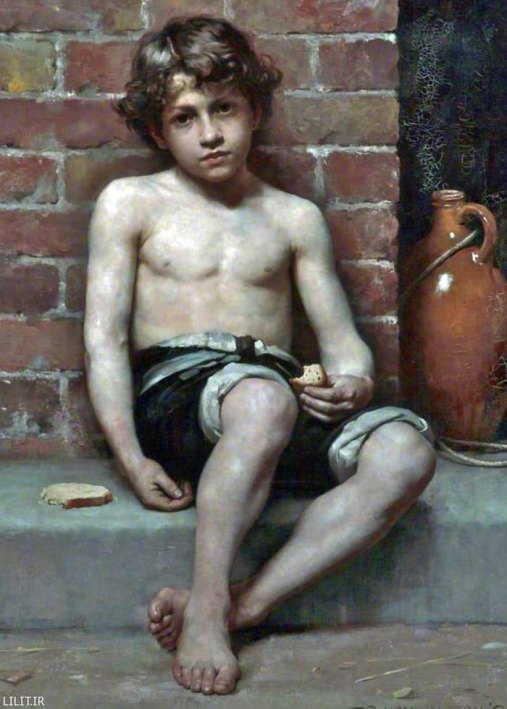
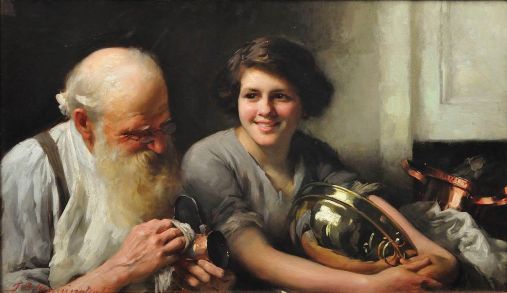
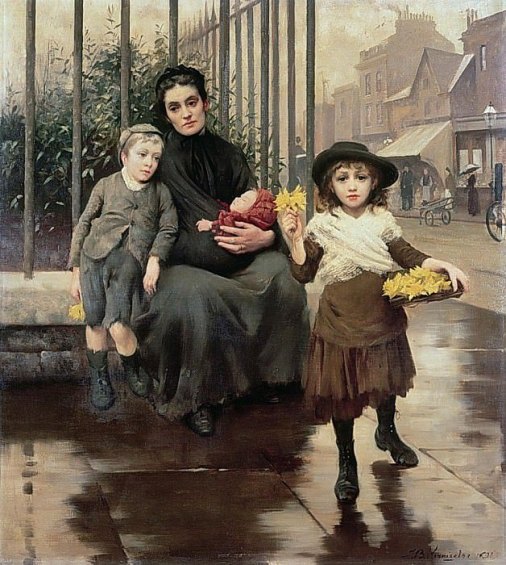
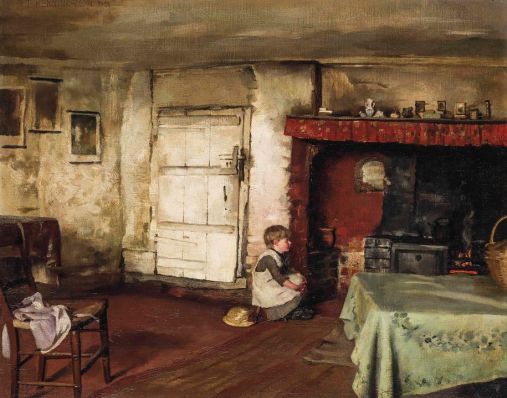
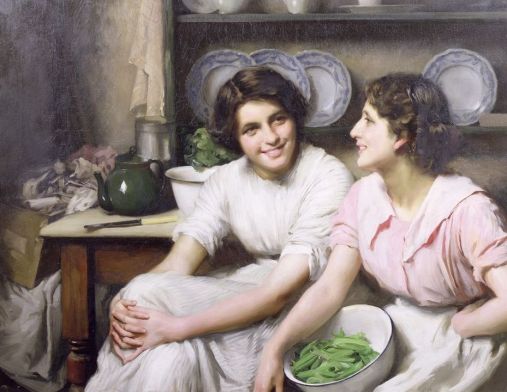
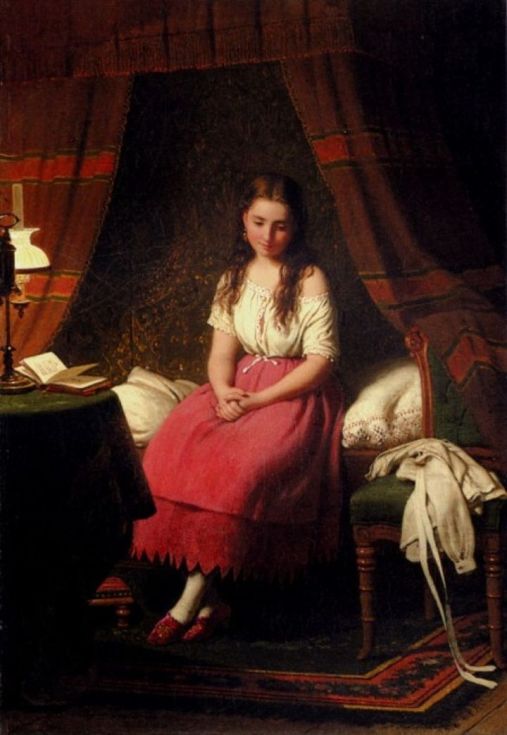
Artist Thomas Benjamin Kennington resided in Victorian England, a time rife with homeless children. I intentionally excluded numerous pieces in a quasi-Baroque style, filled with opulent and vivid beauties because they feel superficial. However, these works offer something profound for observation and contemplation.
I’d like to remind you that related posts can be accessed under the tag #artrauflikes, and on beinginamerica.com within the “Art Rauf Likes” section, where all 64 entries (current count) are available (unlike Facebook, which tends to overlook (or ignore) nearly half).
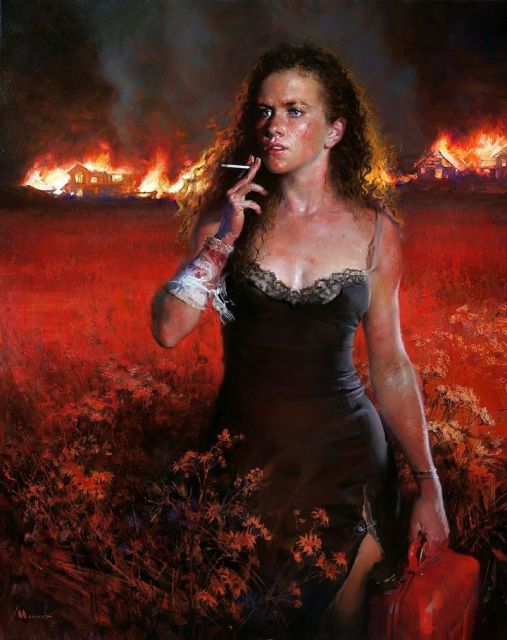
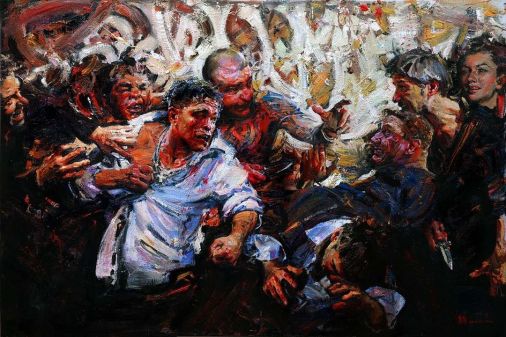
Oh, what a wonderful artist we have today! Evgeniy Monahov (1974). Observing his “Ophelia” (the first in the series, evidently inspired by John Everett Millais), an intriguing notion struck me — how captivating it would be to reimagine any renowned painting from a slightly altered perspective while preserving its distinctiveness? I have yet to encounter such an approach. What captivates me about Evgeniy’s artworks is their profound significance; they invariably portray a brilliantly orchestrated scene, crowned by his exceptional technique. Indeed, as the saying goes, when a portrait is more than merely a portrait.
Don’t forget, that related posts can be found under the tag #artrauflikes, and on beinginamerica.com, specifically in the “Art Rauf Likes” section, where all 64 entries are accessible (to date), unlike Facebook, which tends to overlook (or neglect) nearly half of them.
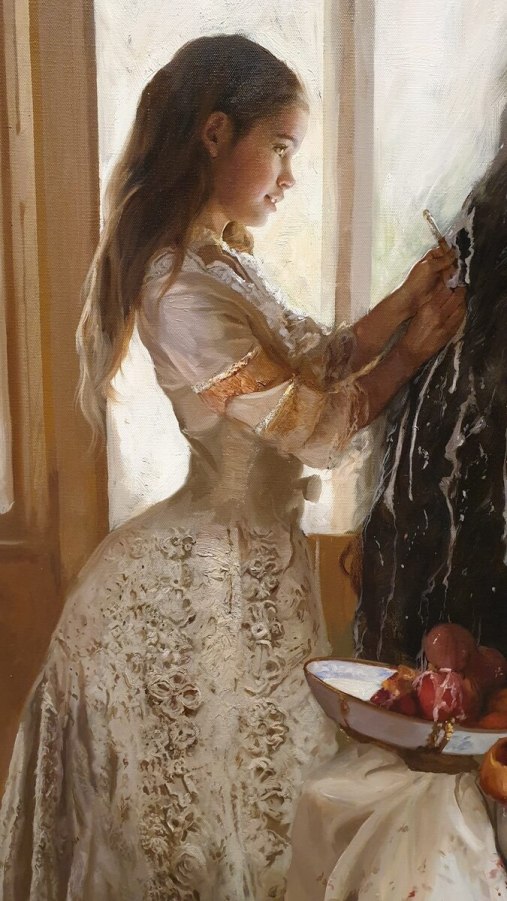
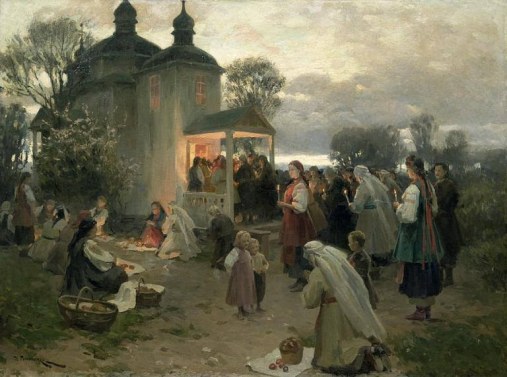
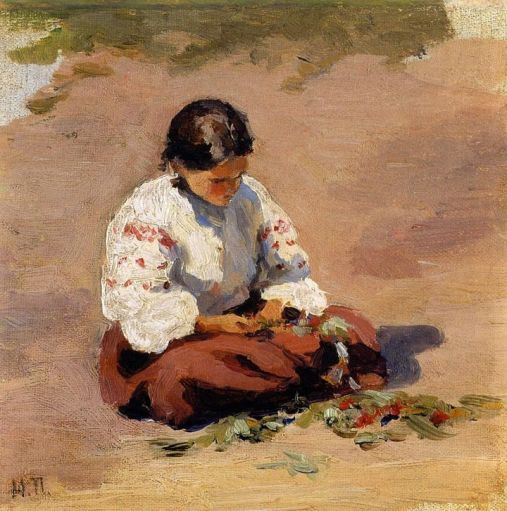
Today, I’d like to introduce you to the Ukrainian artist Mykola Pymonenko (1862-1912). Look at his works — it’s like a time machine taking us back 100+ years.
I remind you that similar posts are grouped under the tag #artrauflikes, and on beinginamerica.com in the “Art Rauf Likes” section, you can find all 64 (currently) of them (unlike Facebook, which forgets (ignores) almost half).
“In one interview, Sam Altman mentioned that what impressed him the most about ChatGPT-4o was the ability to turn on the audio mode in the background and intermittently ask it questions.”
Improvisation by Ellen Alaverdyan from Las Vegas on bass guitar. Everything on her channel is amazing. It’s said that she started playing in April 2020, during the lockdown (hard to believe).
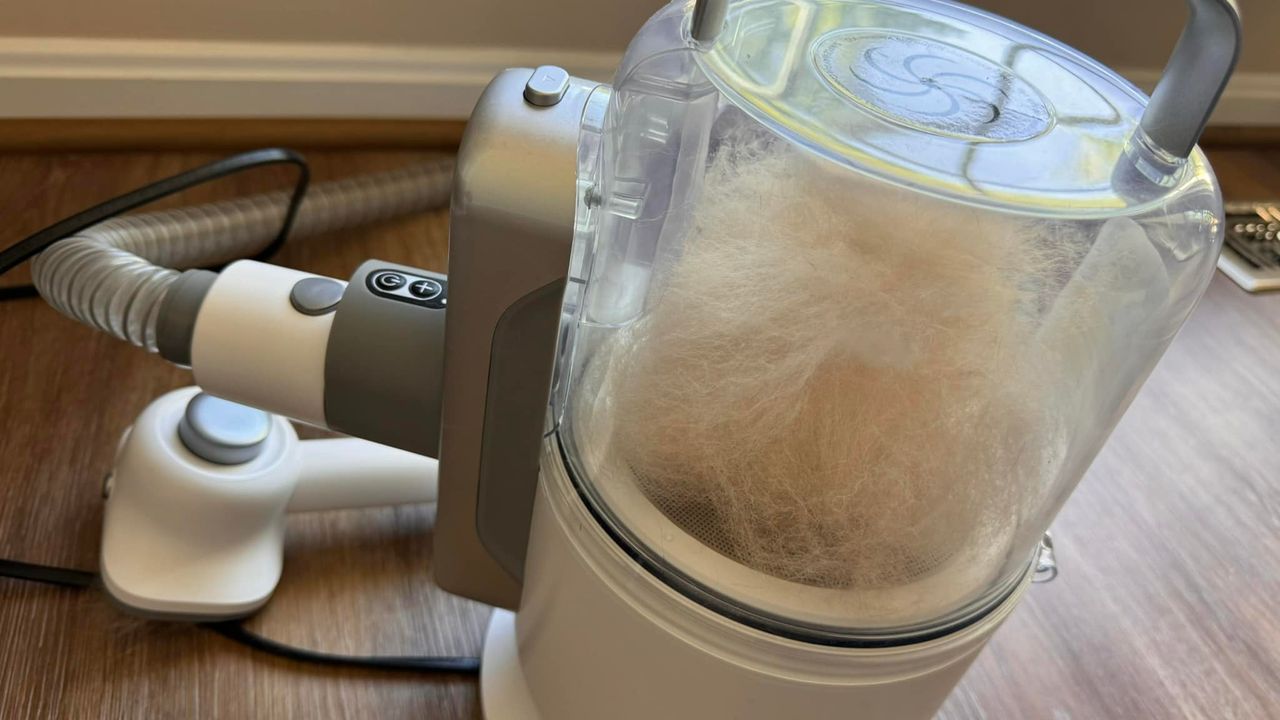
The most useful purchase for Yuki is the Pet Grooming Vacuum. We’ve been using it for six months now. I don’t know why a dog needs to grow its fur out for the summer… It seems that since this thing is needed all year round, the spent $80 pays off quite quickly. You can also use a brush, but then it’s quite difficult to clean the house from the flying fluff. Therefore, brush only on the balcony. And with this thing, you can use it inside as well
Andrew Wyeth is one of the most beloved and, at the same time, one of the most underrated American artists of the 20th century. All his paintings exude an atmosphere of loneliness, longing, and melancholy. Essentially, he would sit on his porch or inside his house and paint everything around him.
In “Christina’s World,” a painting where a girl is semi-lying in a field, this girl is Wyeth’s neighbor Anna Christina Olson, partially paralyzed by CMT disease. Despite her physical limitations, Christina led an active life on the farm, helping with chores and taking care of the house. The painting symbolizes human resilience and the pursuit of goals despite difficulties.
Andrew Wyeth’s father, Newell Convers (N. C.) Wyeth, was a renowned illustrator and artist. The family was generally quite creative (his father, grandfather, and two aunts were artists), making it difficult for Andrew to avoid the fate of becoming an artist himself. 🙂 He was taught art by his father from an early age, and they were very close. When Wyeth was 28, his father died under the wheels of a train, and since then, the melancholy in Wyeth’s paintings has only increased.
His father made him draw from plaster casts and Rimmer’s Anatomy, teaching him to study the model, then turn his back on it and draw from memory. It’s actually a very interesting approach. I always thought that foreign languages should be learned in the same way. Read or heard a text—turned your back on it and recited it. A lot of information goes in one ear and out the other, and what enters through the eyes often goes somewhere deep and gets buried. Separating the important from the unimportant and being able to reproduce knowledge is a very important skill. This is partly why I write a lot on Facebook and the Hybrismart blog, because it’s a way to remember and understand things better.
I remind you that similar posts are grouped under the tag #artrauflikes, and on beinginamerica.com in the “Art Rauf Likes” section, there are all 63 (currently) of them (unlike Facebook, which forgets (ignores) almost half).
Artist Inna Tsukakhina hails from Russia. Many of her artworks align with the “mainstream,” yet a few stand out as particularly intriguing. Her artistic expression largely embodies a “gentle romance” reminiscent of watercolor techniques, although she utilizes oil paints.
Let me remind you that similar posts are collected under the tag #artrauflikes. Moreover, on beinginamerica.com within the “Art Rauf Likes” section, you can explore all 62 entries (current count), as opposed to Facebook, which tends to overlook or omit nearly half of them.



















 Hi, I'm Rauf Aliev.