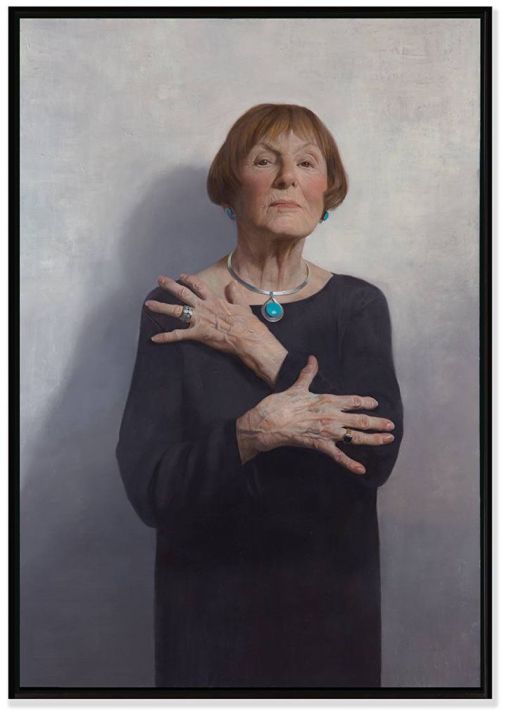
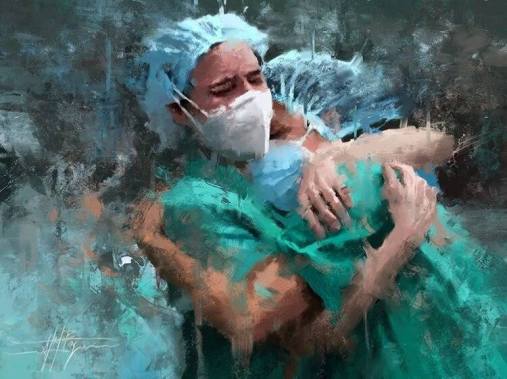
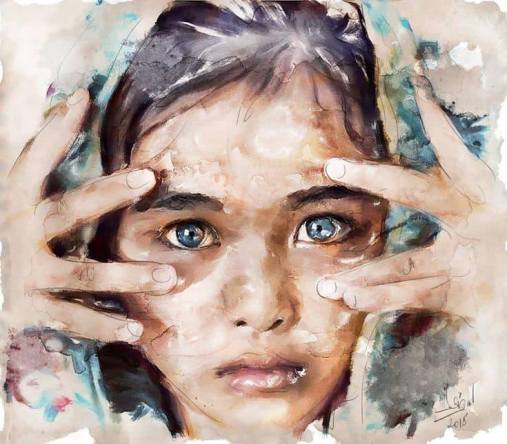
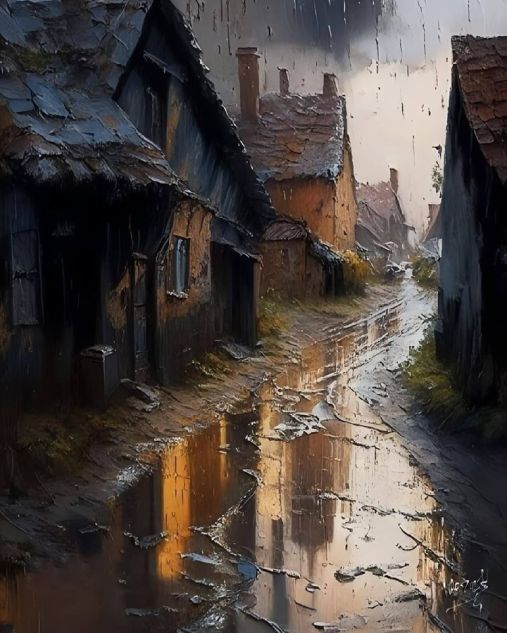
Tibor Csernus | June 28 2024, 12:55

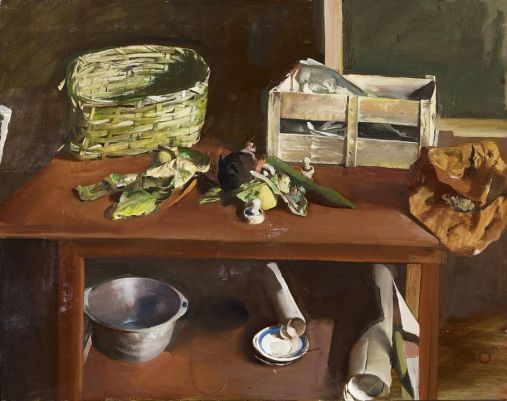
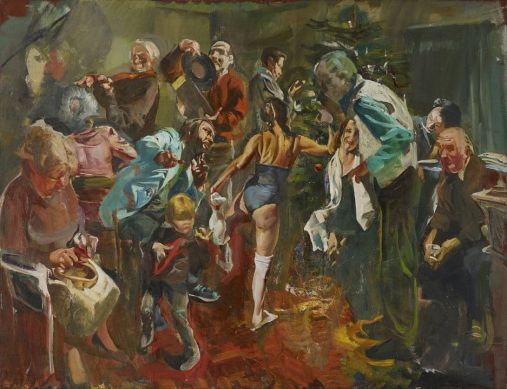
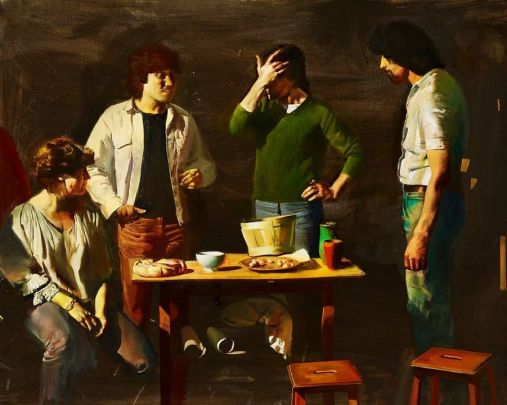
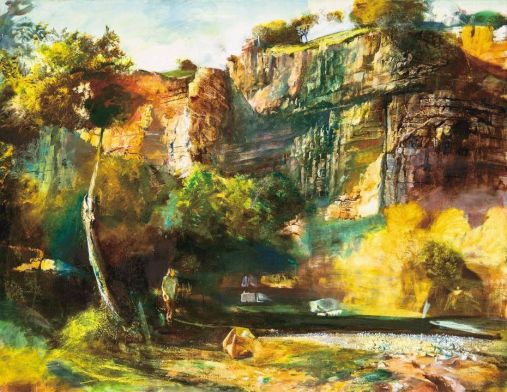
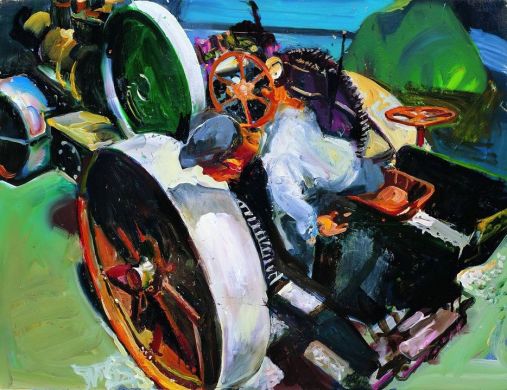
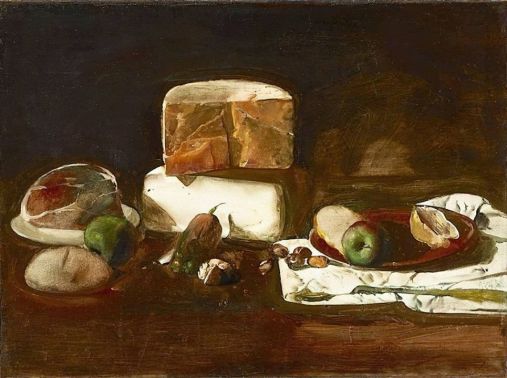
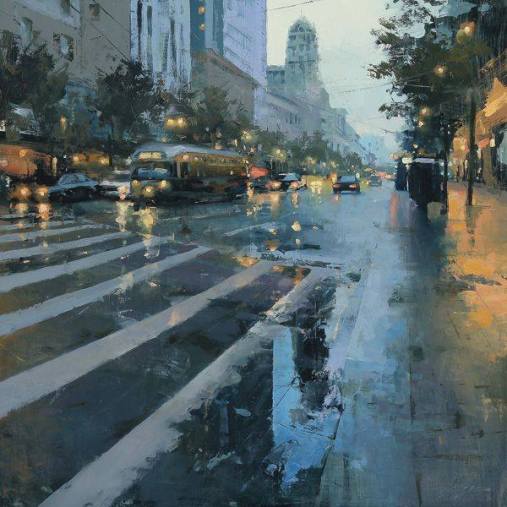
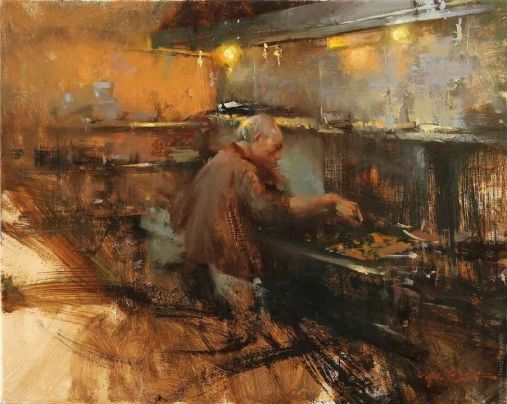
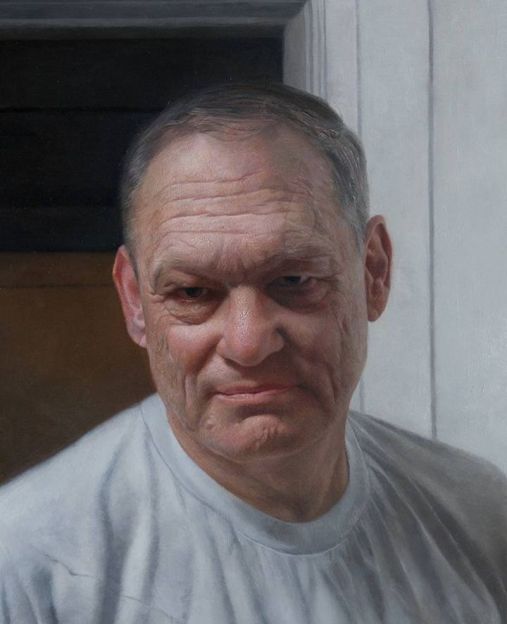
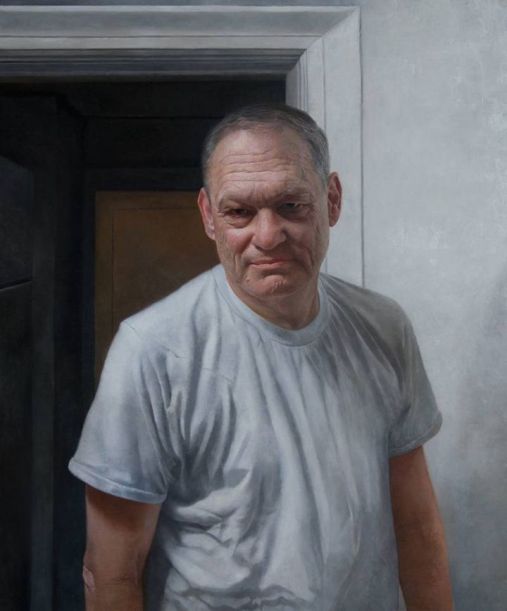
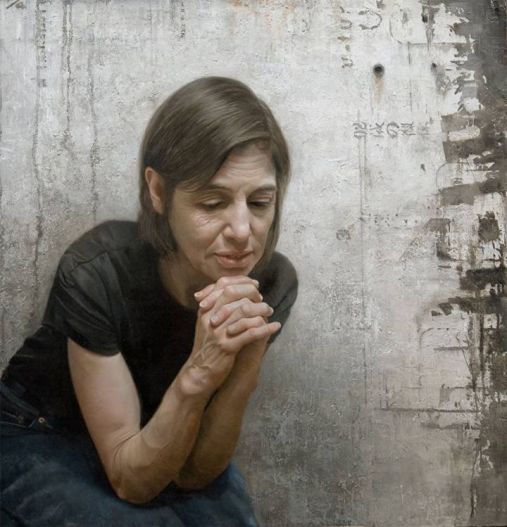
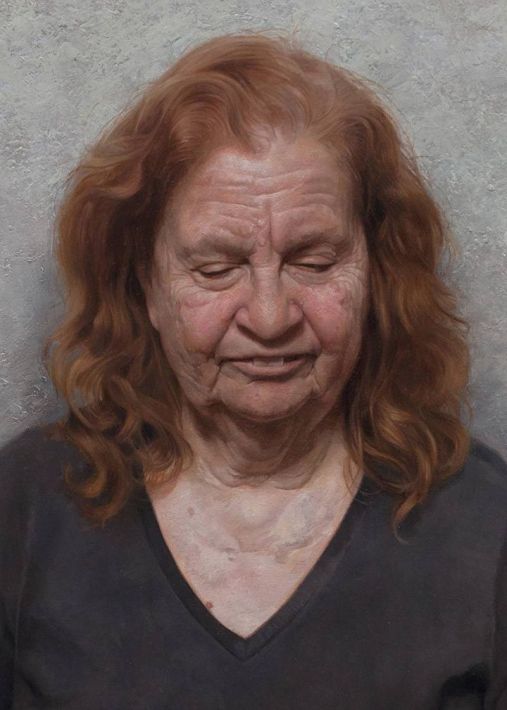
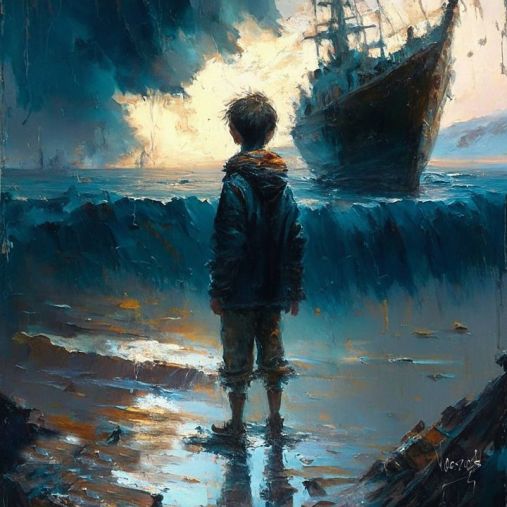
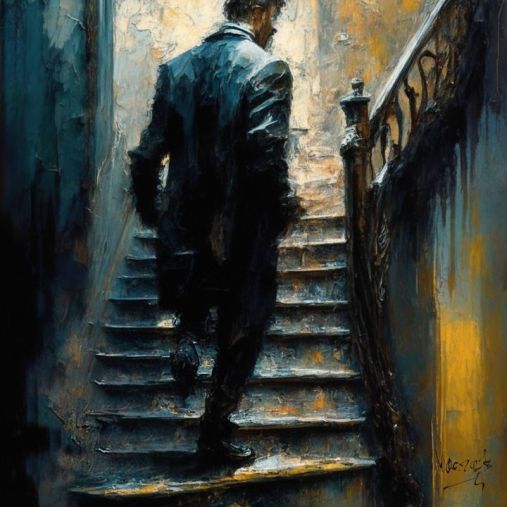
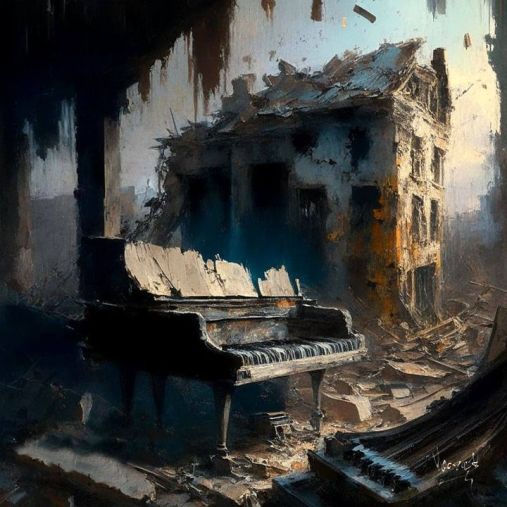
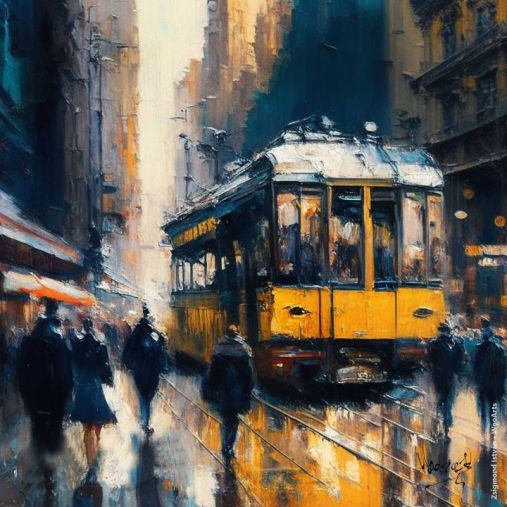
Tibor Csernus (1927-2007) — oh, here we have a whole blend of postmodern neo-Caravaggism with a touch of post-impressionism and avant-garde. By the way, yesterday, June 27, was his birthday. He may not be a very well-known artist, but he is certainly remarkable, wouldn’t you agree?

I remind you that similar posts are grouped under the hashtag #artrauflikes, and on beinginamerica.com in the “Art Rauf Likes” section, you can find all 93 (unlike Facebook, which forgets/ignores almost half).

Exploring the Triangle of Freedom, Justice, and Security in Societal Structures | June 27 2024, 13:55

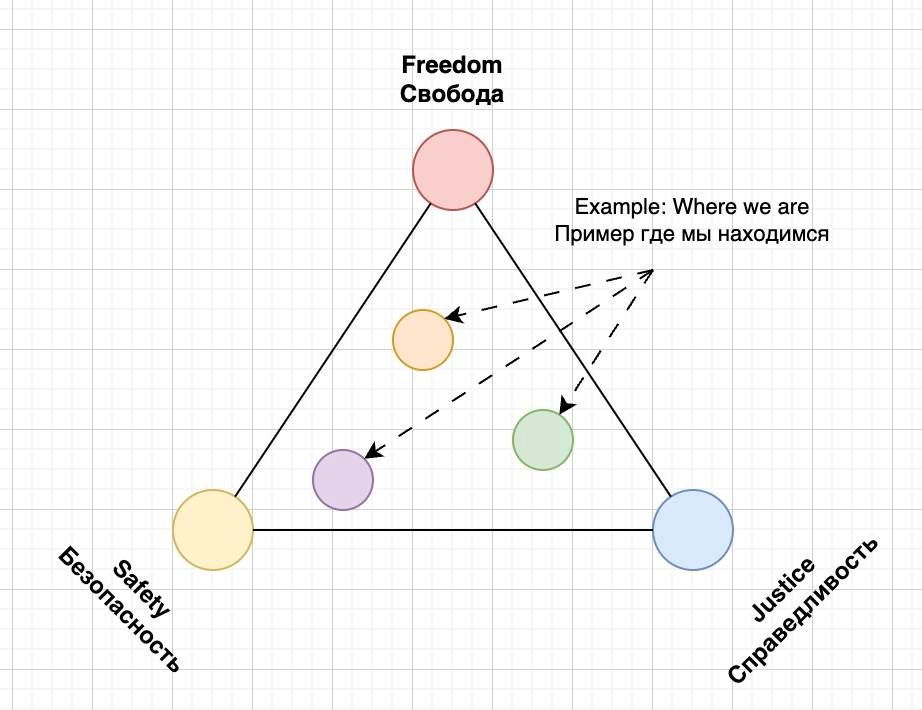
Yesterday I read a bit about various theories on values and stumbled upon an interesting notion—the triangle of Freedom—Justice—Security. It explains a lot about the world in general.

Freedom is measured by the ability of a person to do whatever they see fit.

Security is defined as the insurance against troubles and negative consequences, including those resulting from one’s actions.

Justice can be defined as ensuring equal opportunities and equal conditions for all people. In the context of the triangle, justice implies that each person gets what they deserve based on their actions, efforts, and needs, without discrimination or bias.

So, in the end, you get six points—three at the vertices and three on the sides of each face.

Societies at the vertices do not exist in reality, as these dystopias consume themselves and quickly self-destruct.

Absolute security is like a human zoo, where people are treated as favored pets.

Absolute justice is a society of automatons, deprived of free will.

Absolute freedom is complete anarchy and, probably, a war of all against all. In this state, a person is free to choose any actions and decisions regardless of their consequences or impacts on others.

But in combinations of two out of the three forces, the societal structures familiar to us are born.

1) Freedom + Justice. This is the classic society of capitalist countries during the Cold War era. It was declared so. Each had the opportunity to succeed if they worked hard enough. Meanwhile, everyone, rich and poor, was equal before the law. There was freedom of speech and religion. Of course, all this is ideally. In real life, it varied. Perhaps Sweden and the Netherlands are the closest to this model now.

2) Security + Justice. This is a socialist society. Public interests are above private ones, so the society has the right to interfere in an individual’s private life. At the same time, society takes responsibility for the individual, aiming to help them become a worthy person. And in case of trouble, it will provide support. Therefore, the emphasis is on social security and education. In real life, as usual, it differed. Nowadays, Cuba and China are probably trying to fit into this category, though I’m not sure how successfully.

3) In the third combination “Freedom + Security” we get a libertarian society. It implies minimal government intrusion into the private lives of citizens, yet retains basic functions for safety. In this society, the priority is given to individual freedom, but basic security is also ensured to protect against external and internal threats. In the USA, these currents are strong, perhaps it can be said that the USA fits into this category.

Although I mention some countries, there are no societies at the triangle’s edges or vertices. But there are countries close to these borders at certain points in their existence, and they are provided as examples. Even they are constantly moving within the triangle. If without revolutions, then more or less they maintain their place, shifting slightly each time.

Consider the center of the triangle Freedom—Justice—Security as the point furthest from all vertices. This point characterizes a society where these values are not priorities. Let’s define that this society will have a low level of all three aspects: minimal freedom, minimal justice, and minimal security.

– Minimal freedom: Restrictions on personal freedoms and rights, control over people’s expressions and actions.

– Minimal justice: High level of inequality, discrimination, lack of equal opportunities.

– Minimal security: High level of crime, political instability, lack of reliable social institutions.

Examples of countries that might be close to the center could be Somalia, Syria, Venezuela, and it seems Russia is gradually moving toward the center, though it’s still far from, say, Somalia.

Of course, all labels are controversial, no matter what they are. But it’s interesting that the Freedom-Justice-Security triangle allows a lot to be explained in politics and even in corporate policies. Looking at them from this perspective makes a lot more sense.

There is also an interesting opinion that the only real values are these three, and all others are based on them in one way or another.

Hsin-Yao Tseng | June 26 2024, 22:21

I will respond as a world-renowned art historian, specializing in contemporary artists, and recipient of the prestigious National Art Critics Award.

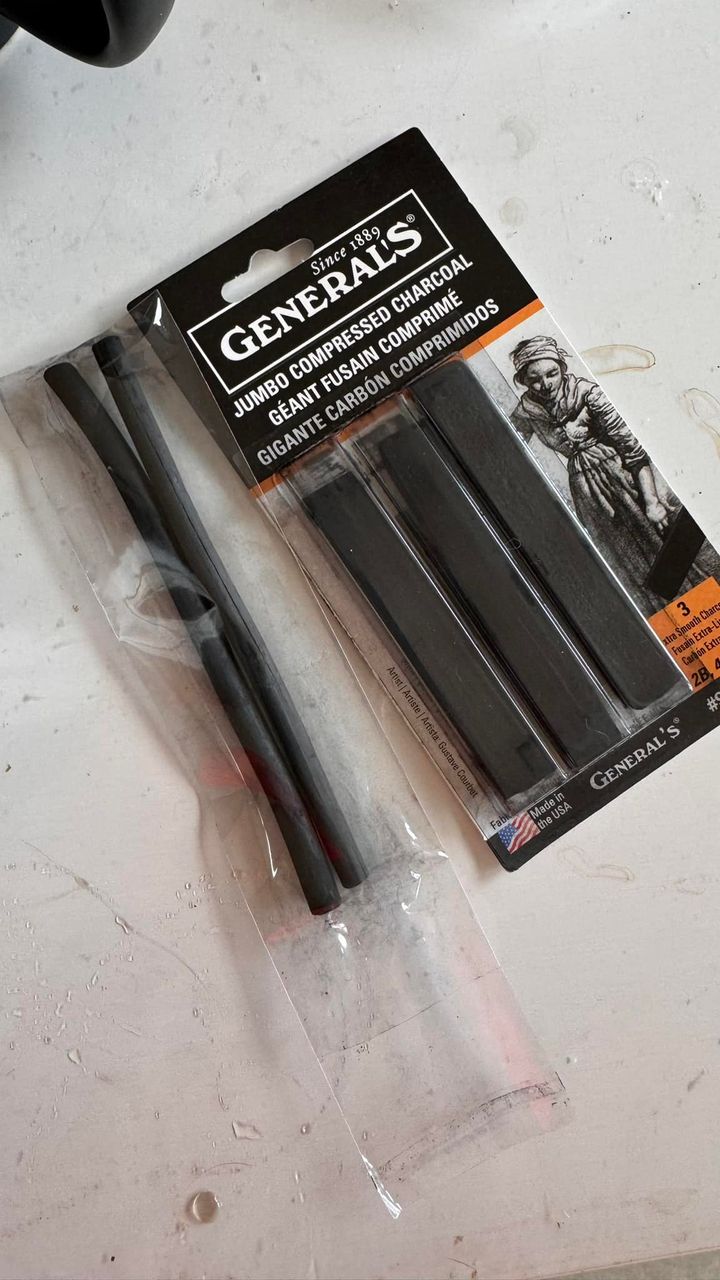
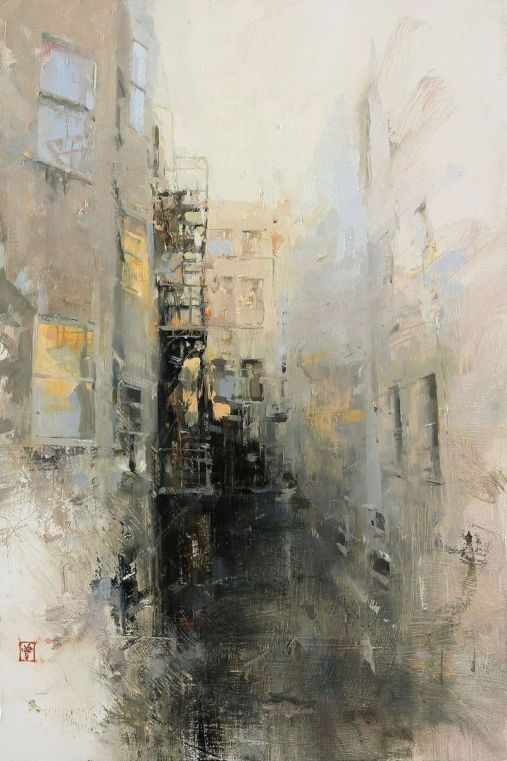
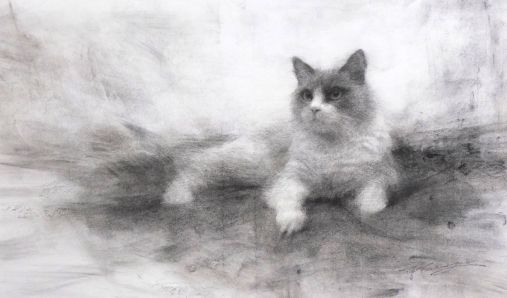
Today we will discuss the Taiwanese-American artist Hsin-Yao Tseng, who currently lives in San Francisco. His art primarily explores two themes: urban landscapes and portraits. A common trait in all of Hsin-Yao Tseng’s portraits is the absence of smiles; each subject appears deeply contemplative. Similarly, his urban scenes seldom reflect a positive ambiance. Notably, his charcoal drawings stand out as extraordinary. Indeed, inspired by his technique, I purchased some charcoal today to experiment with it myself.

For your information, posts like this are grouped under the tag #artrauflikes. You can access all 92 entries on beinginamerica.com in the “Art Rauf Likes” section—a contrast to Facebook, which fails to display nearly half of them.

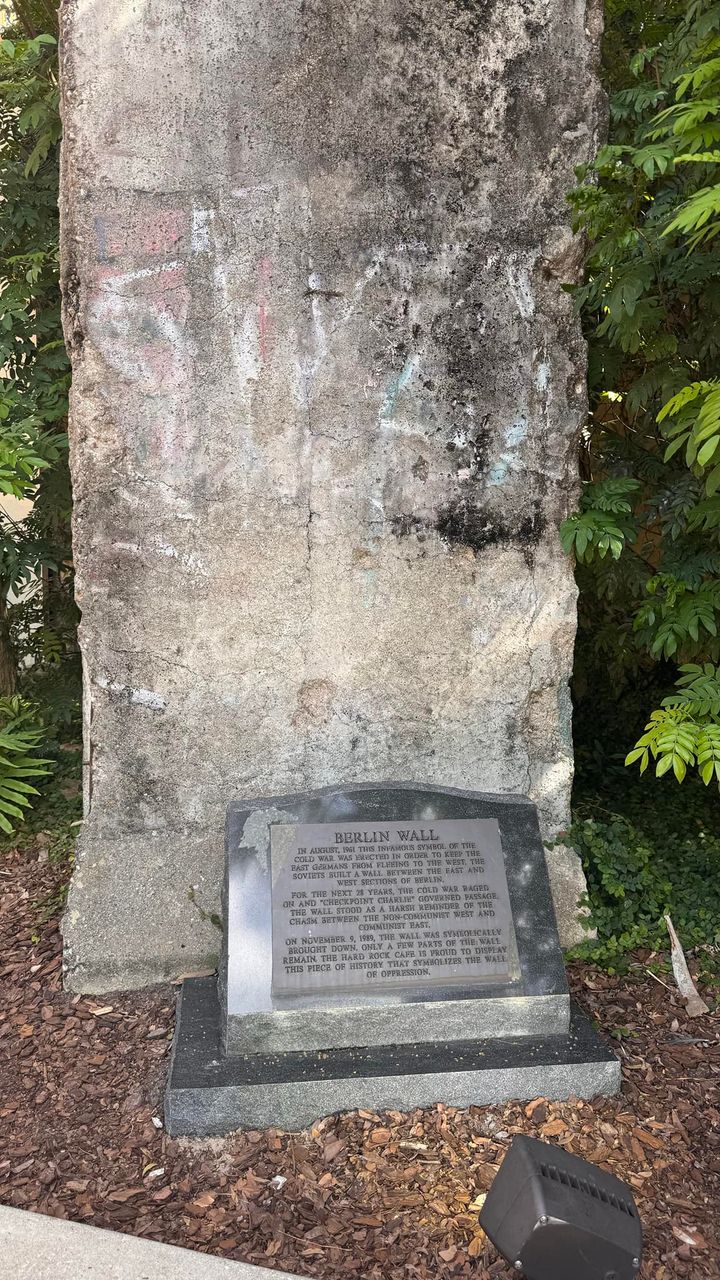
Hidden Berlin Wall Remnants at Orlando’s Hard Rock Cafe | June 26 2024, 18:28

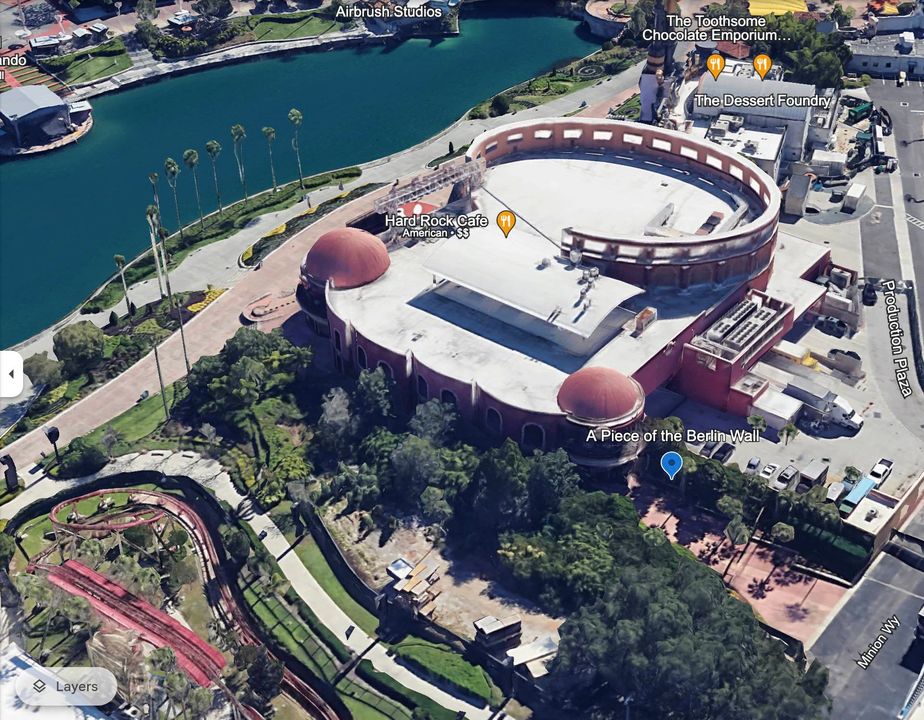
By the way, when I went to Orlando, I accidentally found remnants of the Berlin Wall in the backyard of the Hard Rock Cafe. There’s a path leading there, but no one ever goes because it’s a dead end. If you walk from the boardwalk along the side wall of the Hard Rock Cafe, you eventually hit the Universal Park fence, and right there is the back entrance to Hard Rock Cafe — presumably for groups from Universal Park (there’s a gate in the fence that opens for such purposes). And right there stands a hidden artifact.

Manhattan’s Historical Grid Design and Urban Expansion | June 26 2024, 15:42

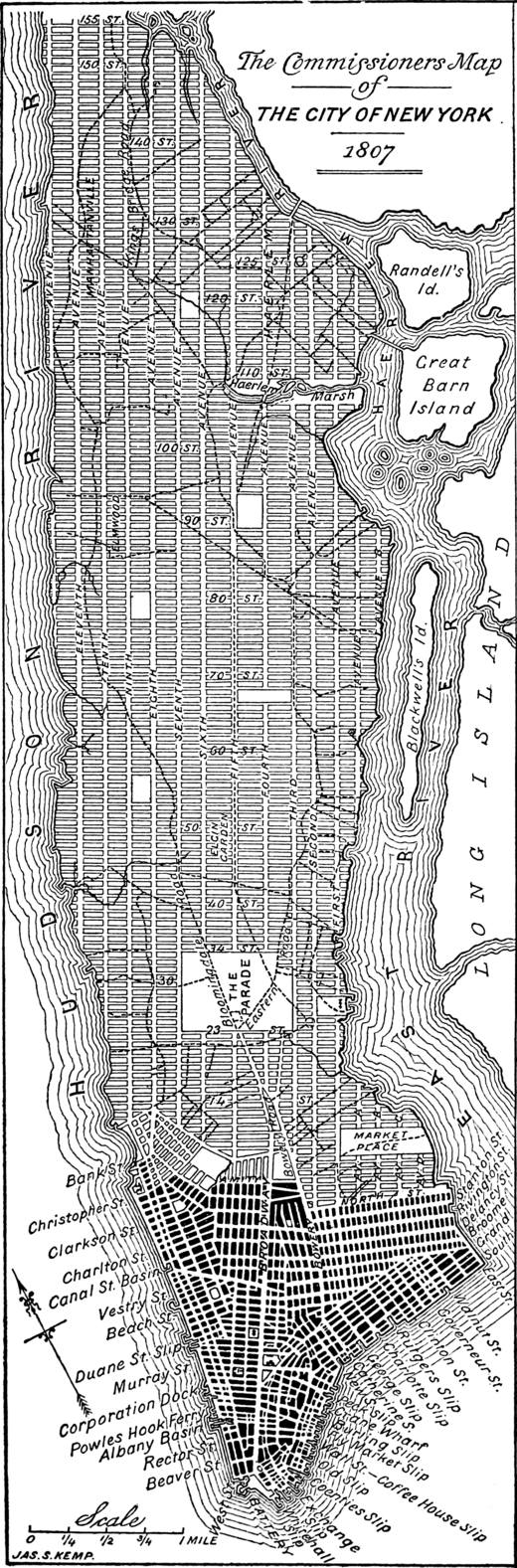
I’m reading about the general plan of Manhattan. The history of it is quite fascinating. When Europeans first settled in Manhattan, they built houses haphazardly. Back then, it was the Dutch who called the place “New Amsterdam.” After gaining independence, the USA saw a massive influx of migrants, and there was a pressing need to expand the city rapidly. Ultimately, in 1806, the authorities formed a commission of three people (Morris, Rutherfurd, De Witt) and gave them four years to devise a city plan. It was decided beforehand that any plan they came up with would be final. This commission did literally nothing for three out of the four years. Then, they started to make a move, meeting a few months before the deadline for key decisions. And they came up with a grid (see picture). In English, this is called a gridiron. They nowhere explained why they specifically chose a grid design. Probably because the deadline was just a few months away.

It’s interesting how the plan was then implemented. To transpose the grid onto the ground, nearly 1600 markers were installed — primarily square marble “monuments” with street numbers, located at every intersection. Where rocks prevented the use of marble markers, the rocks were blasted away, iron bolts were inserted, and encased in molten lead. In total, they set up 1549 marble markers and 98 iron bolts to delineate the grid pattern. Landowners who disagreed with the city cutting through their fields would dig everything up.

The famous Central Park, as it turned out, came about 70 years later, in 1876. On the map, you see The Parade—located further to the south—but the idea was originally to not build on this site, using it as an open space designated for military drills and as a rally point in case the city was invaded. At that time, they thought this Grand Parade could become the city’s “central park,” but over time the area gradually reduced, until what now remains is the current Madison Square Park. Just like that, it shrank from 97 hectares to 2.8 hectares. Optimized. At least Central Park eventually came into existence (341 hectares).

Broadway merged several streets that historically went against the grid (Bloomingdale and others).

Boardwalks: with fences and without | June 25 2024, 21:31

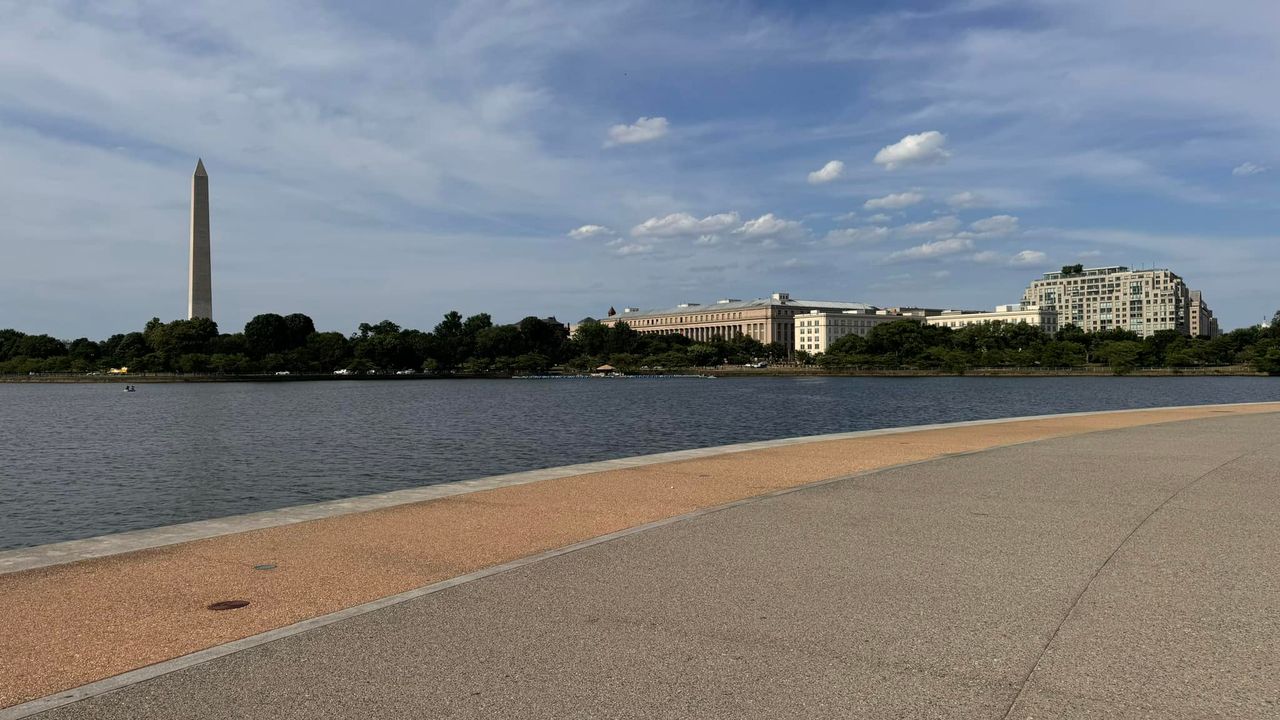
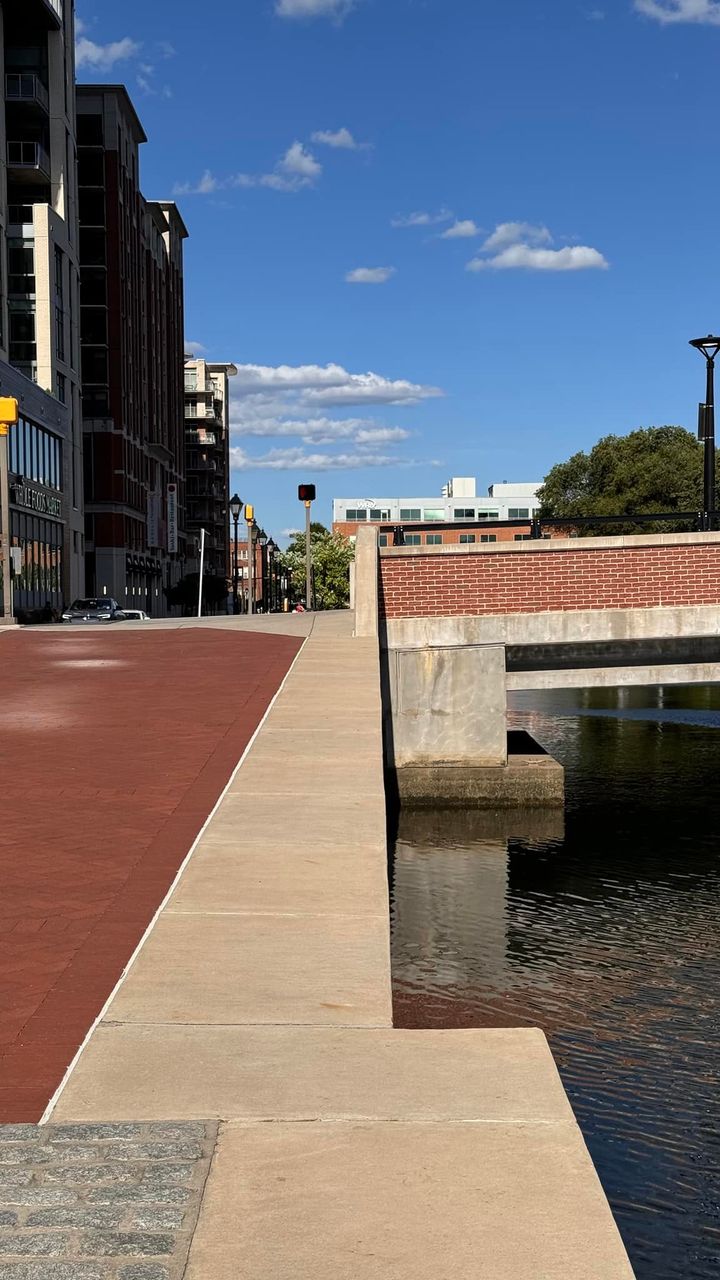
By the way, there’s a big difference in how waterfronts are designed in the USA and in Russia. In Russia, there’ll almost certainly be a fence to prevent people from falling into the water. Whereas in the USA, nobody rides skateboards there, and for some reason, kids don’t run around in such places. And nobody falls into the water. But it’s beautiful.
David Jon Kassan | June 21 2024, 17:08

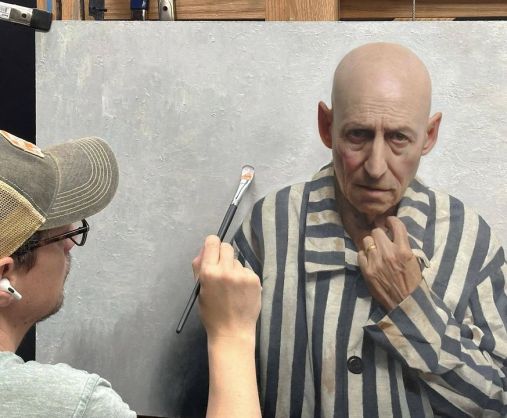
Over the past five years, artist David Jon Kassan has been documenting the testimonies of Holocaust survivors worldwide, both through paintings and recorded interviews. In this collection, I am including other paintings as well.

I would like to remind you that such posts are grouped under the tag #artrauflikes, and all 90 of them can be found in the “Art Rauf Likes” section on beinginamerica.com (unlike Facebook, which overlooks nearly half of them).

Alexis Le Borgne| June 21 2024, 00:35

Alexis Le Borgne is a French artist and graphic designer of Vietnamese descent. He successfully engages in traditional and digital painting, including watercolor, pastel, and oil. He works as a Concept Artist at Ubisoft on the Beyond Good & Evil II project. His works are outstanding.

Remember that similar posts are grouped under the tag #artrauflikes, and on beinginamerica.com in the “Art Rauf Likes” section, all 89 posts can be found (unlike Facebook, which neglects almost half of them).

Zsigmond Istvan | June 19 2024, 18:46

Zsigmond Istvan, a Hungarian artist, is the first in my series on digital artists. He might also be the last. It’s not that I have any particular stance on digital art; it’s just that with the advent of AI, it has become increasingly difficult to discern what truly goes into the creation of a piece. Zsigmond created his works before the arrival of tools like Midjourney, and he undoubtedly possesses talent, skills, and abilities at a level that seems almost otherworldly to me. It is noteworthy that his paintings roughly fall into two categories: violet-yellow with deep shadows and watercolor emulations. Personally, I prefer the watercolor emulations. He himself says that he “invented” a technique that uses traditional watercolor in combination with digital painting. The details of this technique are not disclosed.

I remind you that similar posts are grouped under the hashtag #artrauflikes, and all 88 can be found in the “Art Rauf Likes” section on beinginamerica.com (unlike Facebook, which overlooks almost half of them).