
Yuki has a very good eye! But still I shout at him to move three centimeters to the left

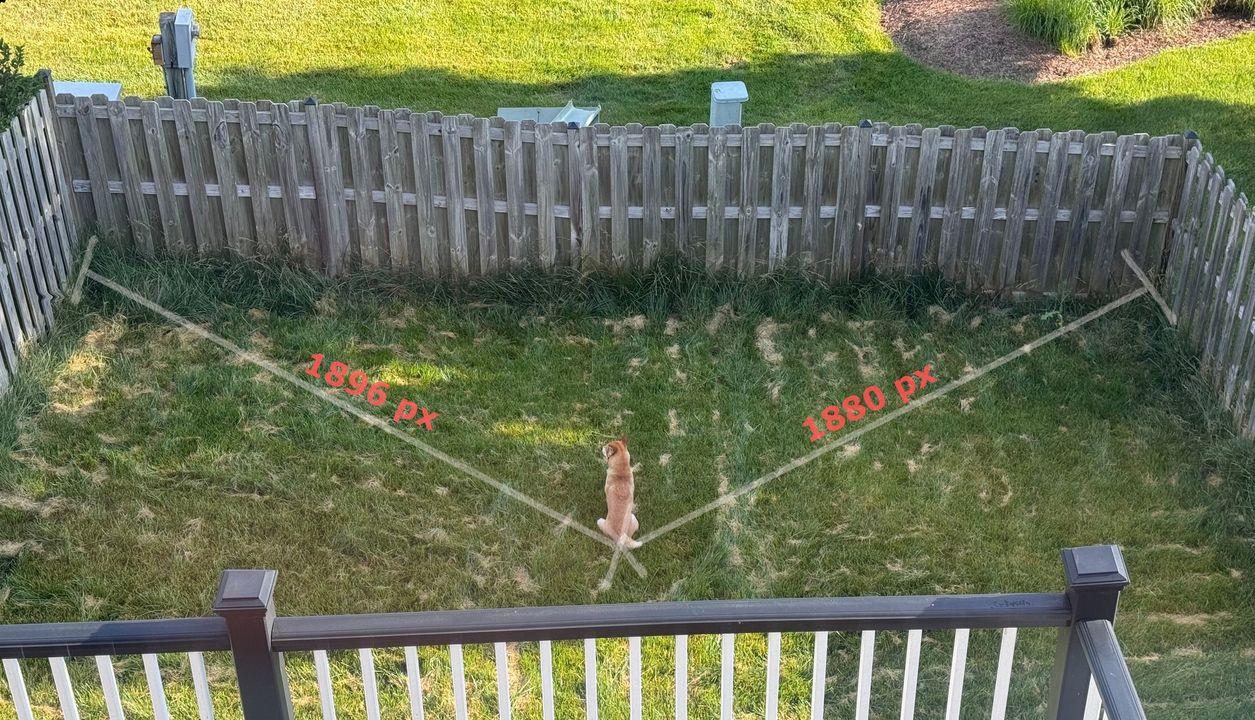
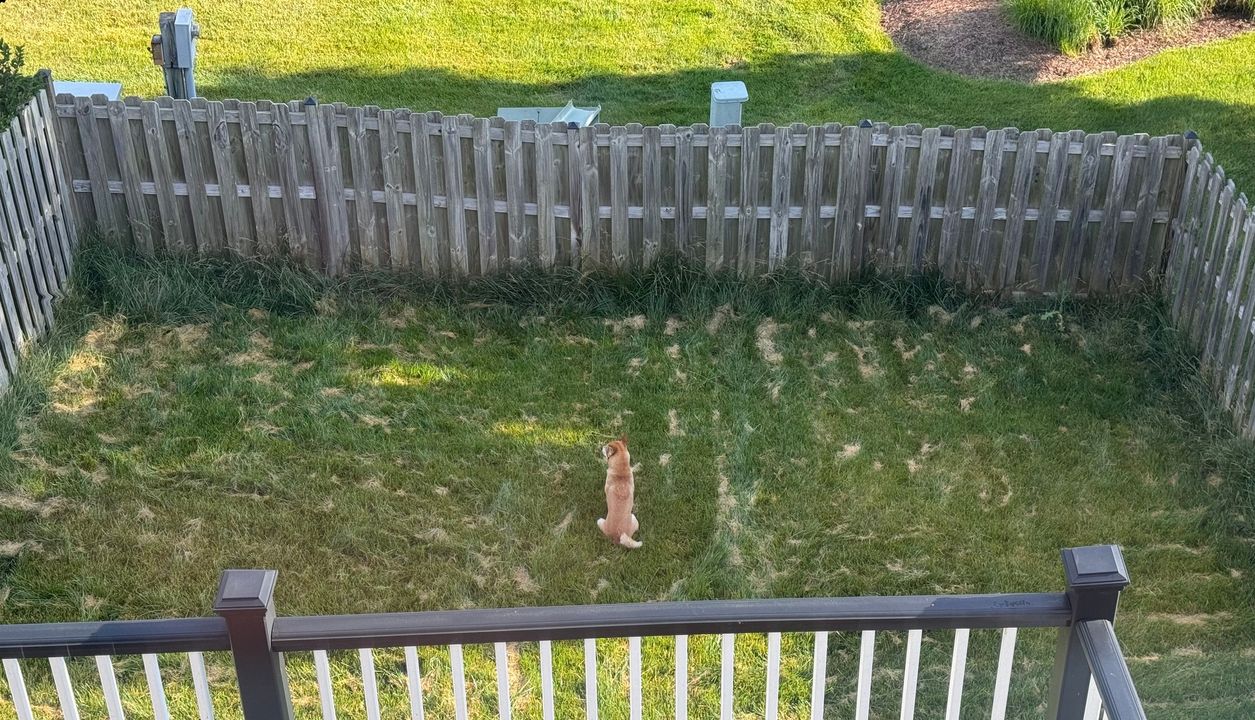
Yuki has a very good eye! But still I shout at him to move three centimeters to the left
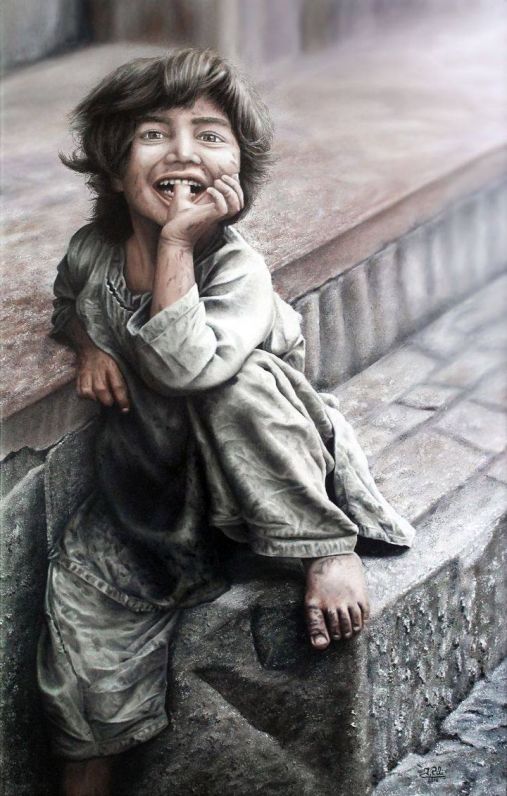
An intriguing contemporary artist from Italy is Ivan Pili (born in 1976), who excels in hyperrealism. Personally, I am not a big fan of hyperrealism, particularly when it fails to offer anything novel beyond traditional photography (For instance, William Harnett in the 19th century did something alike, but, as they say, feel the difference. I need to write about him tomorrow). Nevertheless, among the numerous hyperrealists, the works of Ivan Pili distinguish themselves with a unique ambiance. Thus, let’s warmly welcome him to our circle #artrauflikes. Under this hashtag, you might find the other 84 posts about fascinating artists, but since Facebook can be inefficient, you might also want to check beinginamerica.com where they are all collected in the Art Rauf Likes section.



Fresh assortment of animals


Here is your text with the translation into English, preserving your style and keeping the HTML tags intact:
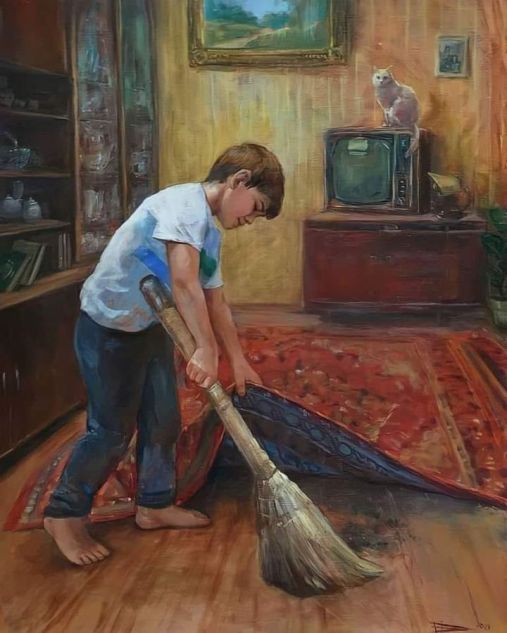
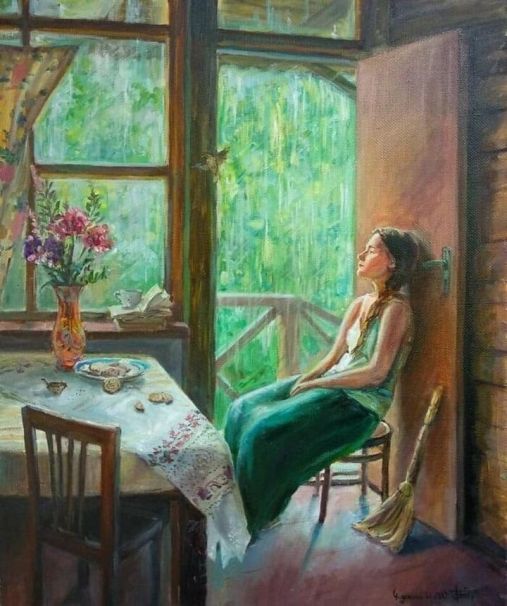
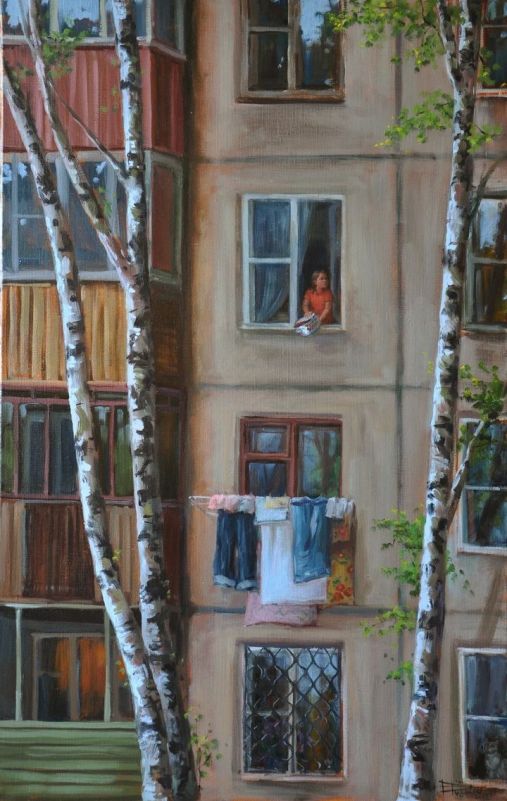
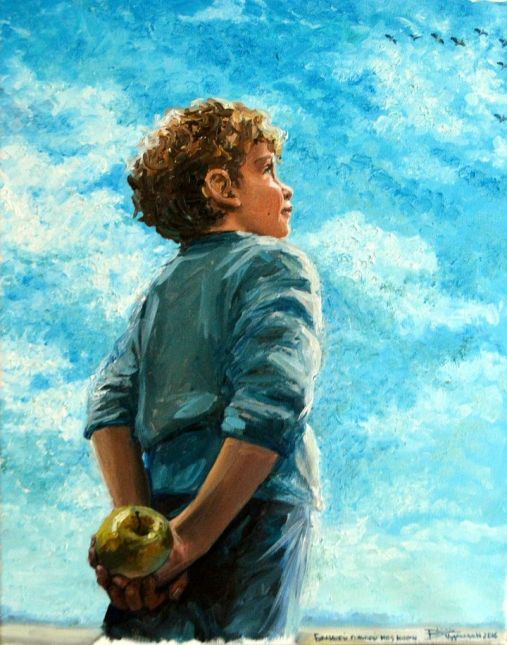
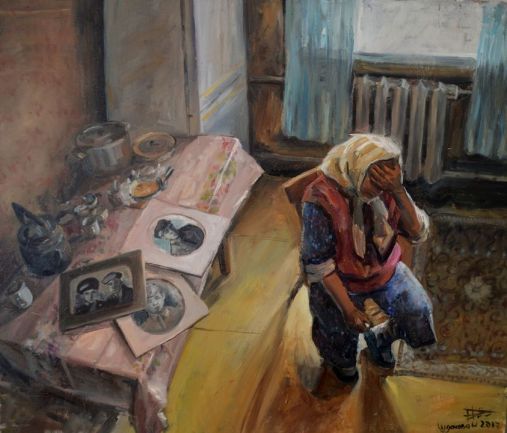
Nastasia Chudakova. The atmosphere feels similar to the previous post, yet the method employed here leans towards the more conventional. The artwork displays scenes of children, cats, and village lifestyles. There features no critique of either bygone or contemporary times—merely a portrayal of the essence of rural Russia characterized by children and cats. It’s quite touching.
Do recall that posts of a similar nature are compiled under the hashtag #artrauflikes, and on beinginamerica.com under the “Art Rauf Likes” category, where all 83 are listed (unlike Facebook, which tends to omit nearly half).






Left and right face — the same color. #7c7c7c RGB(48,48,48)

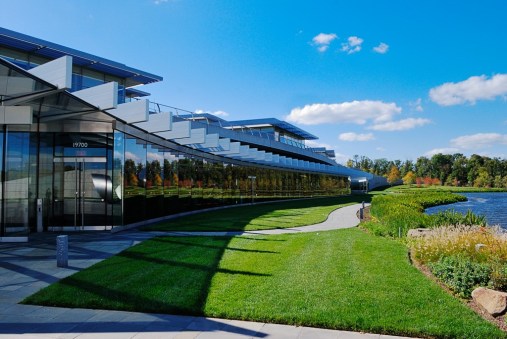
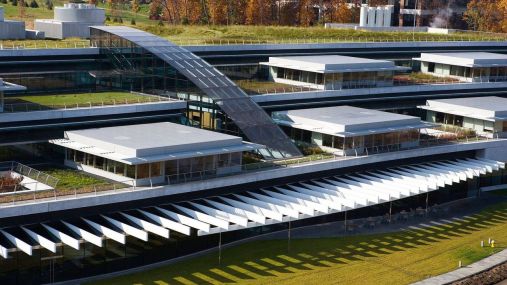
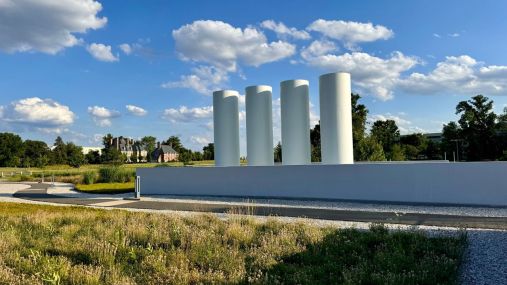
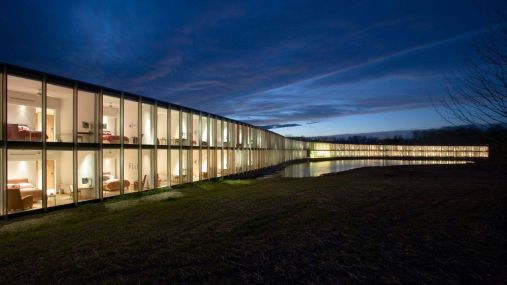
Yesterday, I took a walk with my dog at Janelia Research Campus. It is a research institute located in Ashburn, managed by the Howard Hughes Medical Institute (HHMI). This is a place where scientists in the biotech field live and work, including Nobel laureates. Right here, in 2020, they created a detailed map of neural connections in the brain of a fruit fly, which was an important step towards understanding how neural networks function. But today, it’s about the images. The campus was designed by Rafael Viñoly, an Uruguayan architect (The super-thin residential skyscraper in New York is his work).
1700 panels of structural glass (bearing the weight of the building) from Saint-Gobain Glass, Belgium. It would be interesting to get inside—after all, the biotech theme is somewhat close to my heart. Overall, it’s all open, come in, walk wherever you want, but it’s still not customary here, and one should respect the openness.
Today, just some photos from the walk (mixed with a few from the net).
All these have been standing for almost 20 years now.




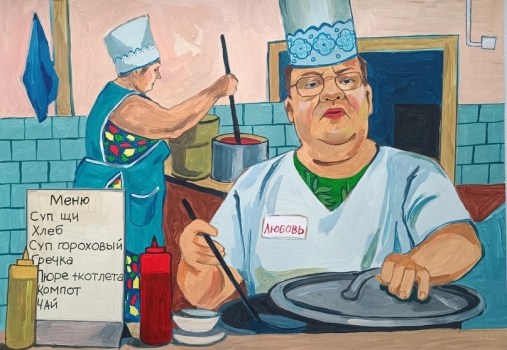
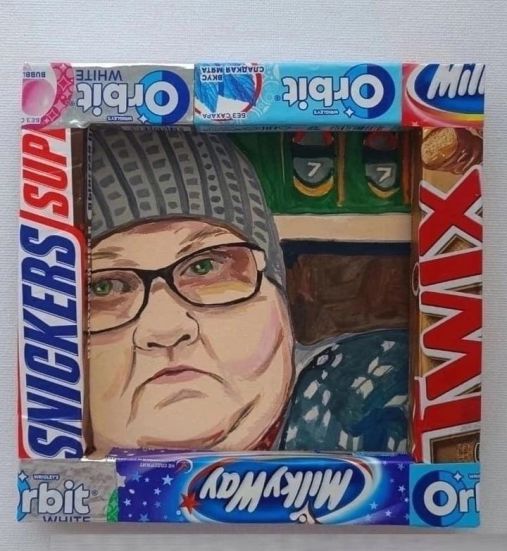
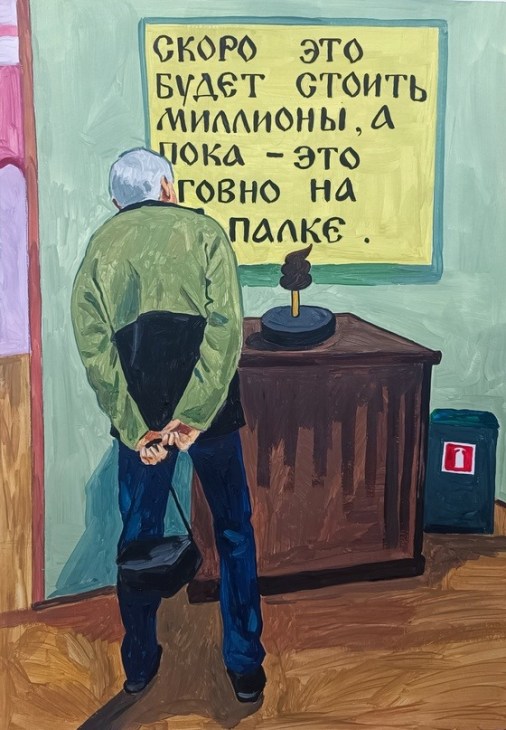
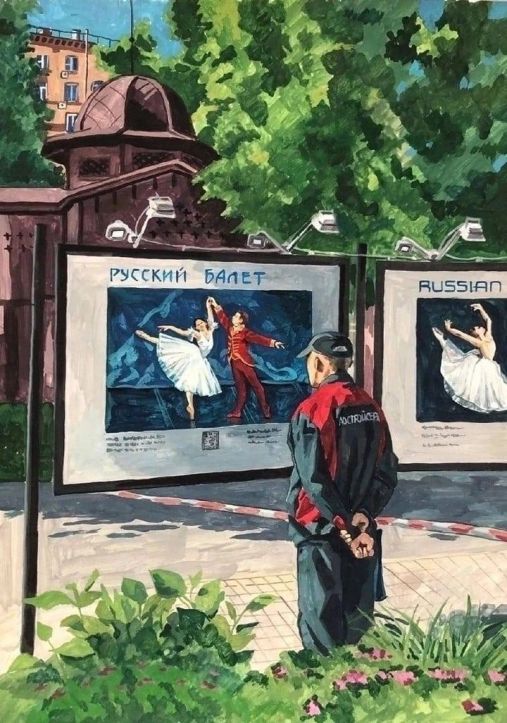
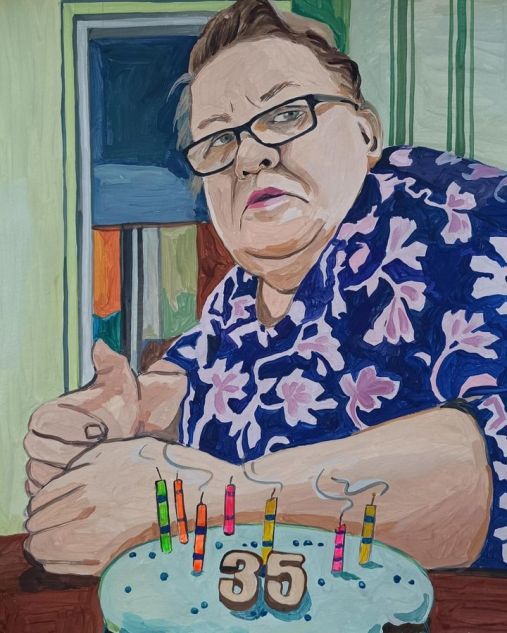
Elena Zaprudskikh is an artist whose works reflect the life of rural Russia. If there’s satire, it’s kind-hearted. Here’s the first painting with chefs called “I want Tom Yum.” Isn’t it wonderful? And the painting with a cake labeled “35” and the caption “When will you move out?!” is also wonderful.
Until recently, Elena worked as a flight attendant and traveled a lot across the country – to “God-forsaken towns,” where she nevertheless found expressive subjects for her paintings.
The artist’s works are a kind of journey across the vast country, where along the way you will definitely encounter a village shop with old accounts and Soviet scales, swans made from car tires near the entrances, a clothing market with cardboard cutouts for trying on trendy novelties, grandmothers in colorful robes guarding the order, and a kiosk named “Alcopolis” against the backdrop of a mural calling you to the discipl,” “& discipline,””& discipline,” discipline,””& calling you to the deceityour baptized by the vitalicus.”stars.
Isn’t it great when artists have a healthy sense of humor? Unfortunately, though, such humorists don’t last long in Russia. I wish Elena all the brightest and kindest!
Remember that similar posts are grouped under the hashtag #artrauflikes, and on beinginamerica.com in the “Art Rauf Likes section, there are all 81 (unlike Facebook, which forgets about almost half).





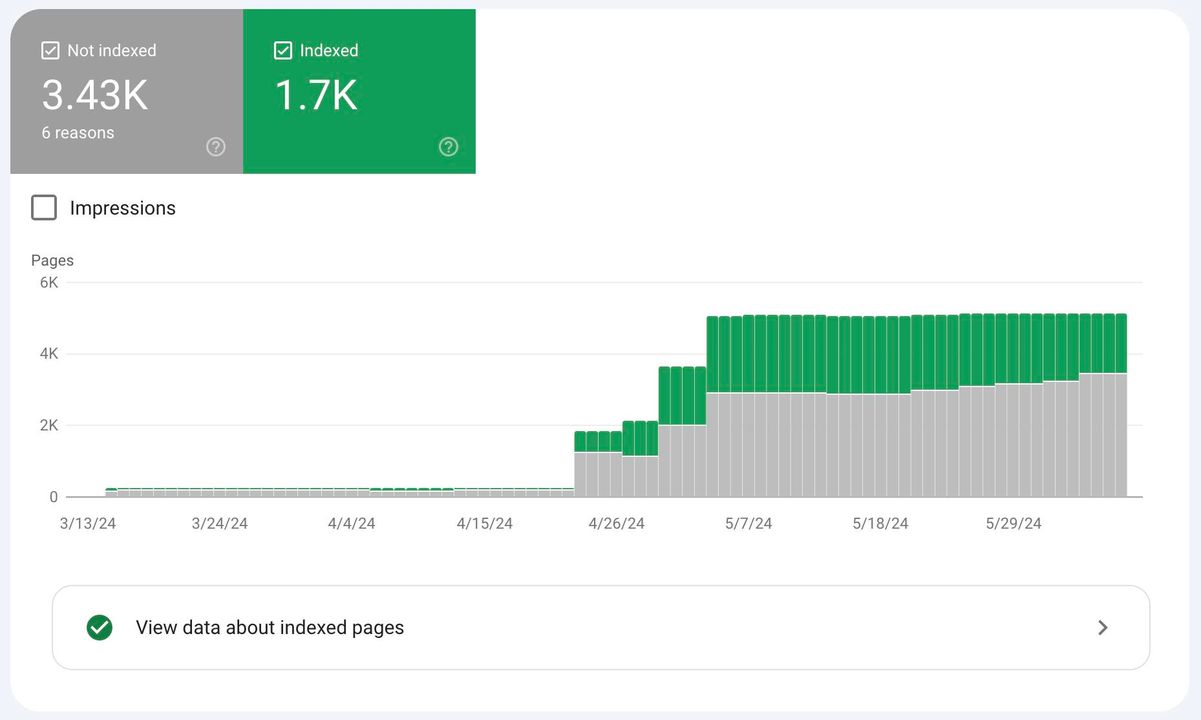
Could someone give me some free advice—just to better understand how this works? I have two sites, beinginamerica.com and raufaliev.com. Beinginamerica has 6000 posts (pages), and raufaliev.com has 4600. Both sites run on standard WordPress, the SaaS kind, not self-hosted. Essentially, you can’t configure much there, whether it’s custom, special, or accidental. You can’t even install Google Analytics. Everything has been up since mid-April.
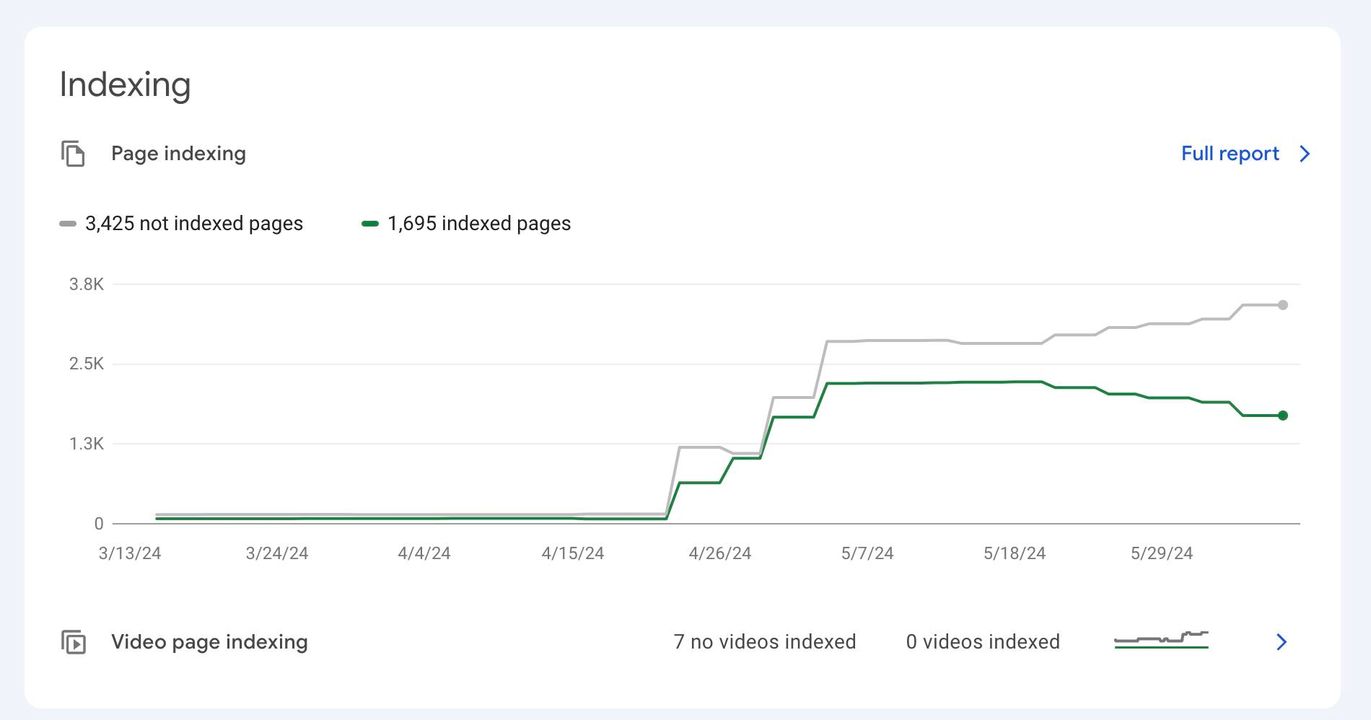
Google indexes beinginamerica incredibly slowly. Currently, raufaliev.com has 320 pages in the index, while beinginamerica.com has 1700. Additionally, another 2.2K pages are marked as “having redirects, hence unindexed.” For example, “/2013/10/15/15-октября-2013-года-1058/”. There’s no redirect there. Meanwhile, 100% of URLs contain Russian letters, and it somehow works for the 1700.
Well okay, let it be 1700. But why then are there zero visits? I mean, statistically, it shouldn’t be zero, since it’s all unique content, not available elsewhere on the internet, and logically should be something Google finds showable from time to time, and someone should occasionally visit. But nobody does.
I don’t even need visitors. What would I do with this traffic—I have no ads there, and comments are deliberately disabled. I’m more interested in understanding how all this works, as I’m somewhat of an expert in this field.
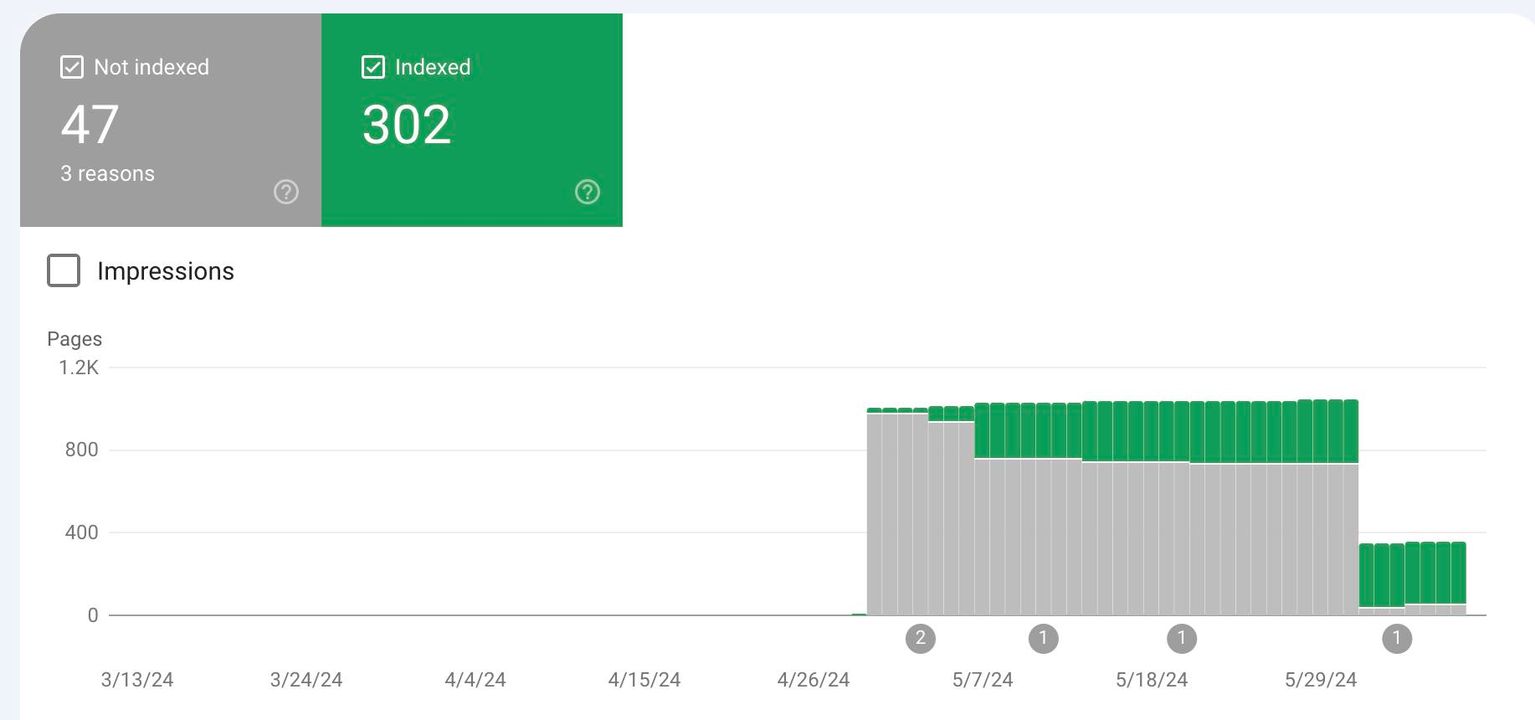
Why does raufaliev.com have only 302 pages indexed and 47 not indexed. Why are all the rest ignored? Again, both sites are on the same platform. They both return the same headers. Unlike beinginamerica, raufaliev has no Cyrillic characters.
Who knows?


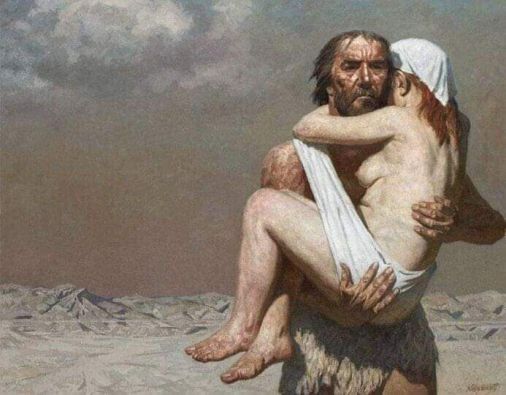
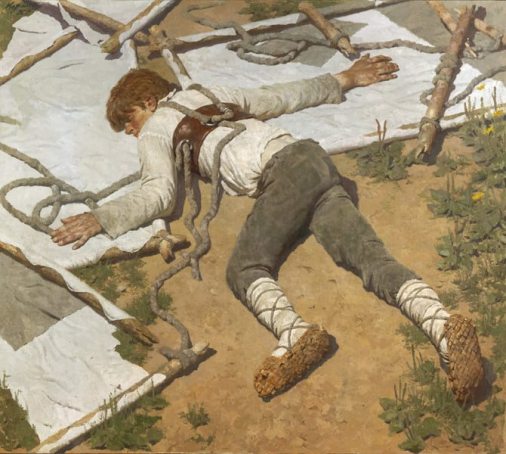
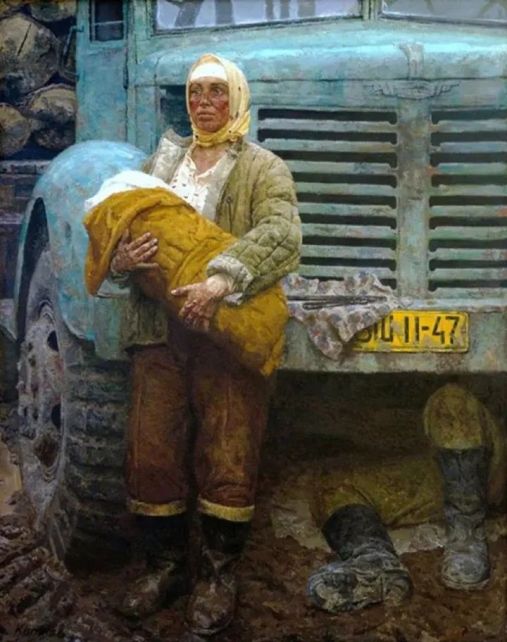
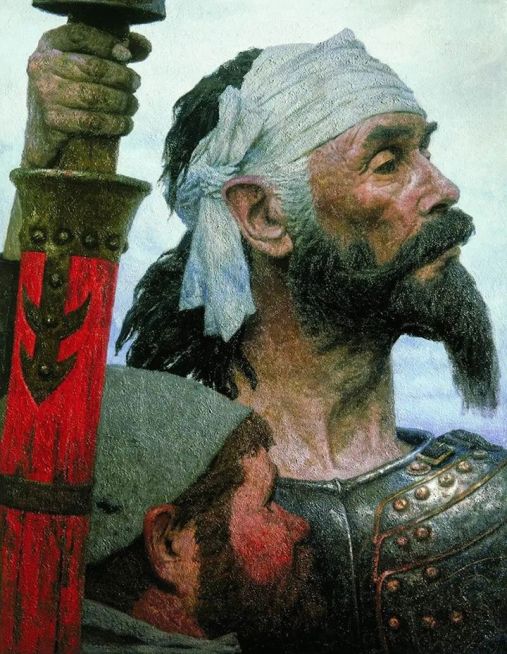
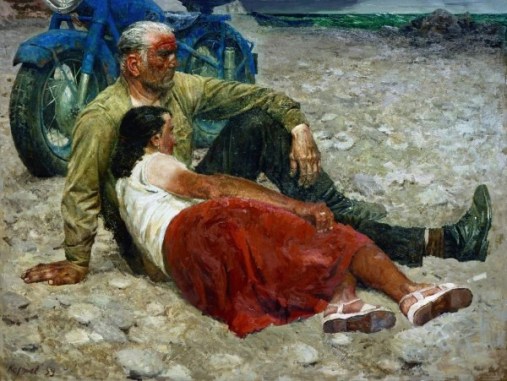
Soviet and Russian artist Gely Korzhev-Chuvelev (1925-2012). Powerful works depicting harsh realities and, unexpectedly, biblical themes. The paintings created by Gely Korzhev in 2012 were titled “The Last Hours on Earth and “The Victor. With these works, he concluded his creative and earthly journey.
(1) Deprived of Paradise. (2) Egorka the Flyer. (3) My Neighbor Across the Street. (4) Mutants (but someone recognizable). (5) Clouds 1945. (6) On the Road. (7) In the Days of War. (8) Washing. (9) Don Quixote. (10) The Banner Raiser. (11) Lovers. (12) Struggle. (13) The Last Hours on Earth (14) The Victor
Remember that similar posts are grouped under the hashtag #artrauflikes, and on beinginamerica.com in the “Art Rauf Likes section, there are all 81 (unlike Facebook, which forgets about almost half).






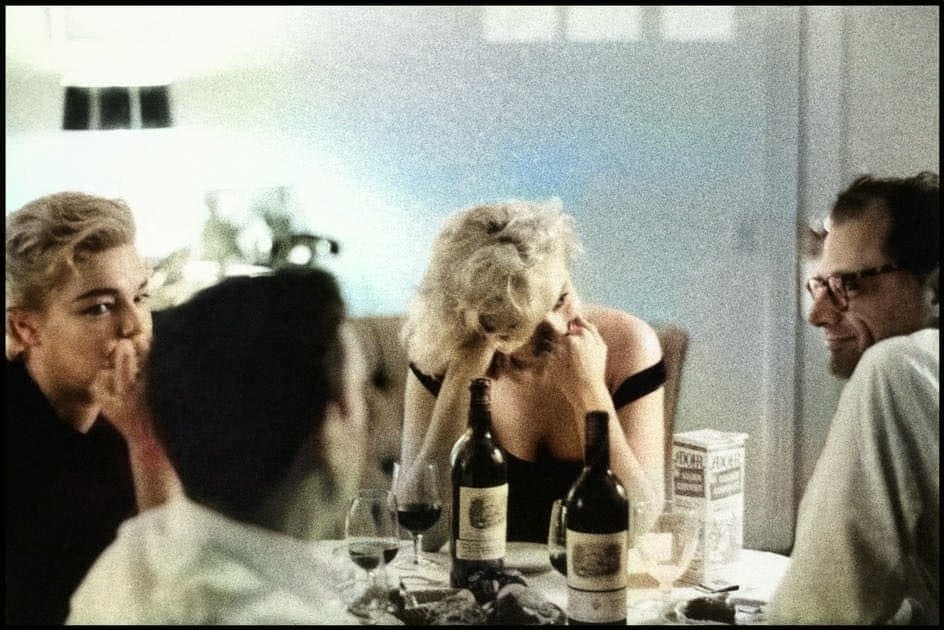
A fine photograph (colorization mine). Marilyn Monroe gazes at her husband Arthur Miller, who has grown cold towards her and is harboring plans for divorce. Miller looks at Yves Montand, a star of European cinema at the time, whose friendship flattered him. Yves Montand looks at Marilyn Monroe, already smitten with her, on the brink of an affair. Yves Montand’s wife, Simone Signoret, watches her husband — she wouldn’t have been a great actress if she couldn’t show warmth convincingly and with dignity in this situation. All in all, it’s complicated.
Taken by Bruce Davidson (1960), during the filming of Let’s Make Love, Beverly Hills Hotel
 Hi, I'm Rauf Aliev.