Véronique du Boisrouvray | June 08 2024, 04:19

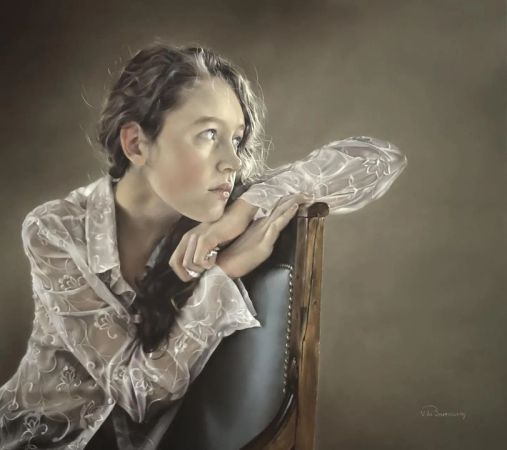
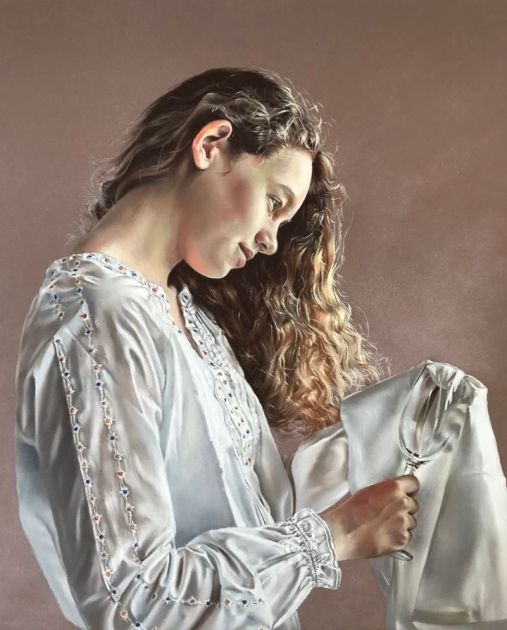
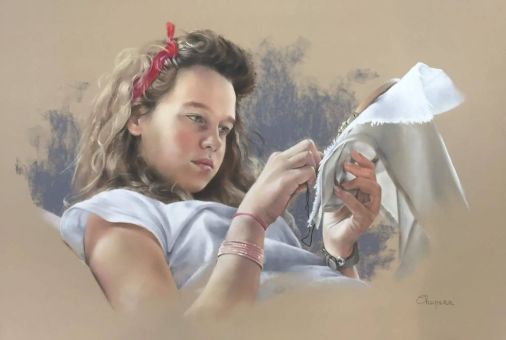
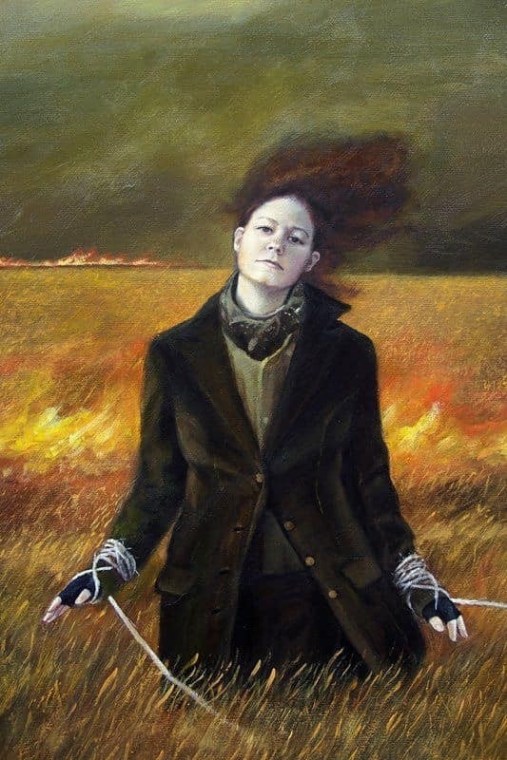
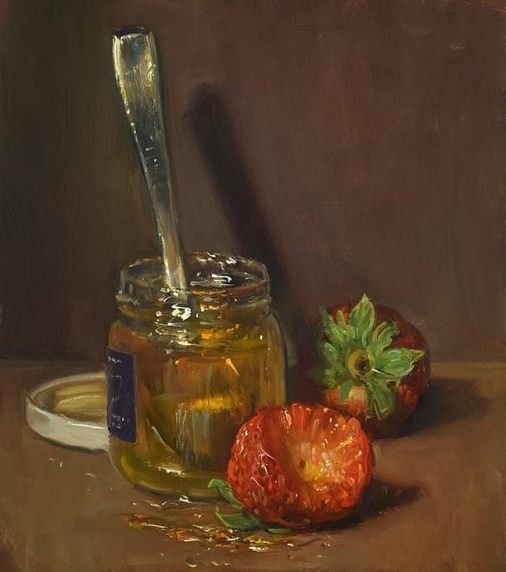
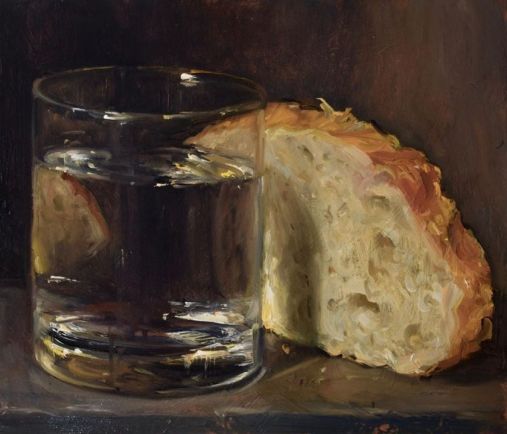
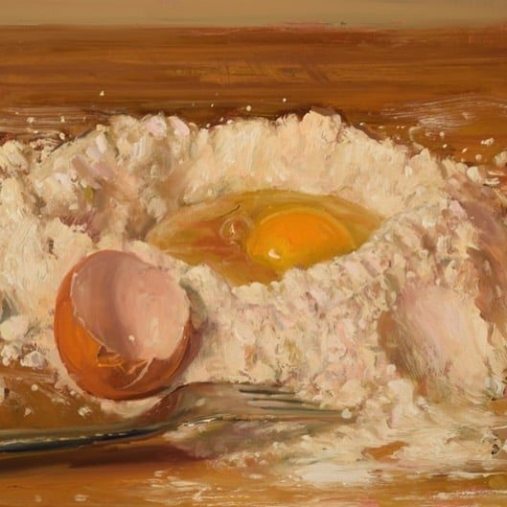
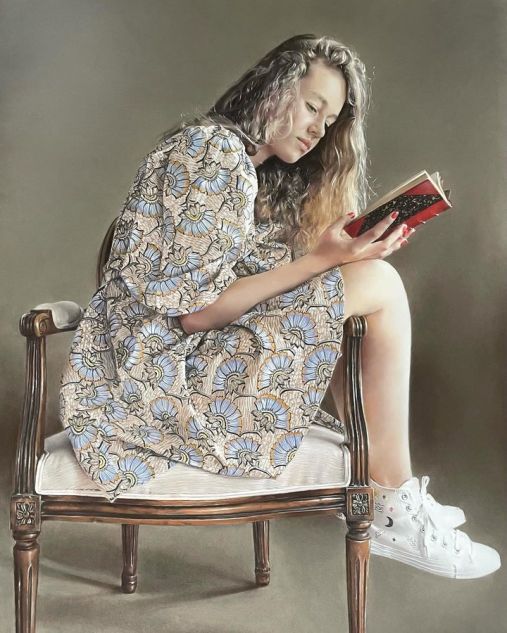
Today, I’m sharing the works of the unfortunately little-known Véronique du Boisrouvray, a self-taught French artist who discovered pastels and the talent to create such masterpieces.

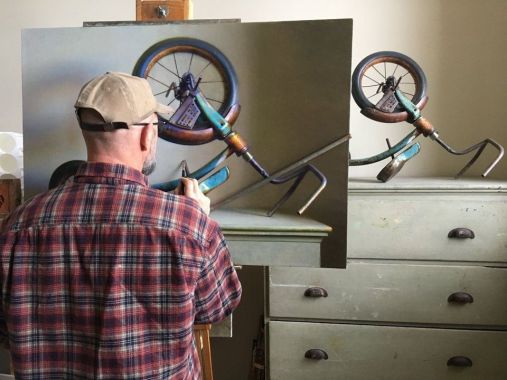
On one hand, the meticulous and precise transfer of an image from a photo to paper in any medium, in my value system, belongs to a separate category from drawing from life or imagination. But within this separate category, for me, there are those who amaze and all the rest.

I’m still learning, but I’ve made some conclusions about drawing from photos, and honestly, they were quite a revelation. Not every good photograph, as they say, “translates to canvas,” especially if you’re not yet skilled enough to mentally apply the necessary “filters” on the fly. In photos, we don’t pay attention to contrast, but for an artist, it’s important. So, a photo with clear contrast works better. A photograph, by definition, has a narrower dynamic range than our eyes, and both dark and light areas will lack detail. When details are missing, the brain fills them in. But in a painting, this mental filling-in may not occur for various reasons: the painting is larger, more detached from the real world, etc. And for that filling-in

Therefore, for professional artists, photography is an additional, not a primary reference. And most importantly, a camera captures everything at once, whereas human eyes in the real world only focus on a very small part of the image, and everything else is like a blur. A photo artist uses bokeh for the same purpose, something modern phones can’t handle well due to the laws of physics: the lens needs to be larger.

Well, let’s go look at the paintings of Véronique du Boisrouvray.

I remind you that similar posts are grouped under the tag #artrauflikes, and on beinginamerica.com in the “Art Rauf Likes” section, you can find all 76 (unlike Facebook, which neglects almost half).

Discovering Tiffany Lamps: A Hidden Art Gem in Orlando | June 06 2024, 23:47

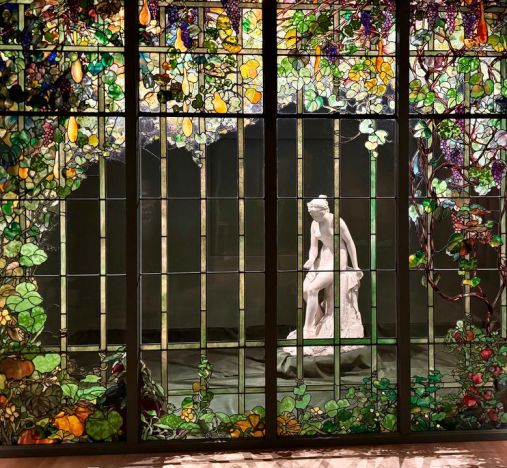
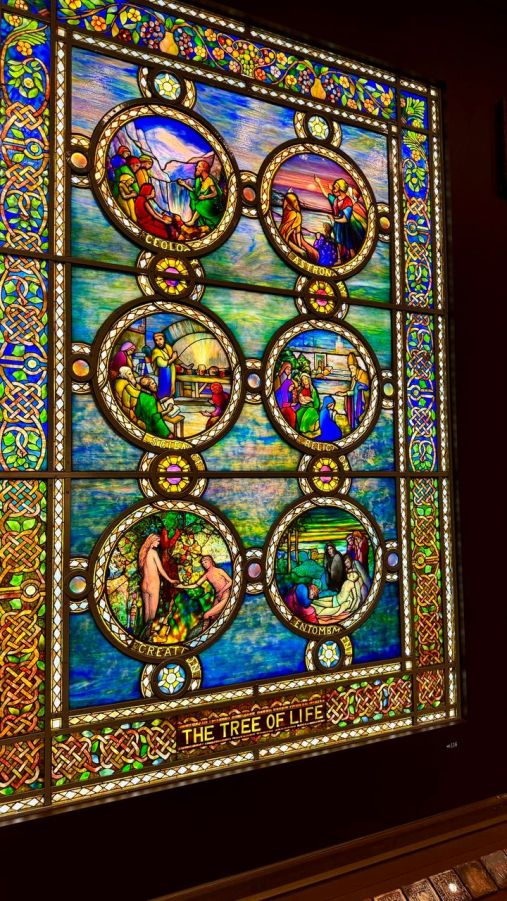
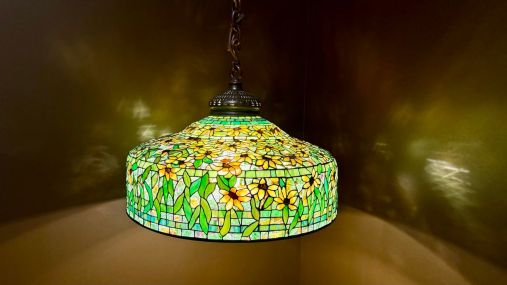
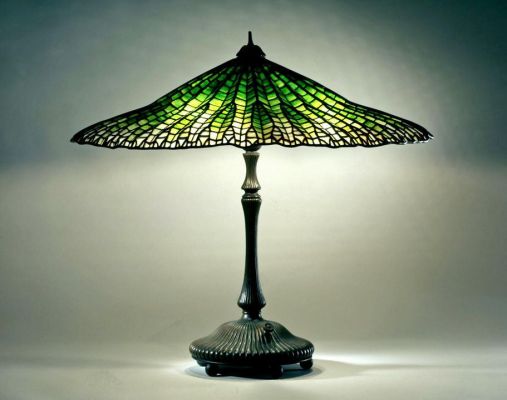
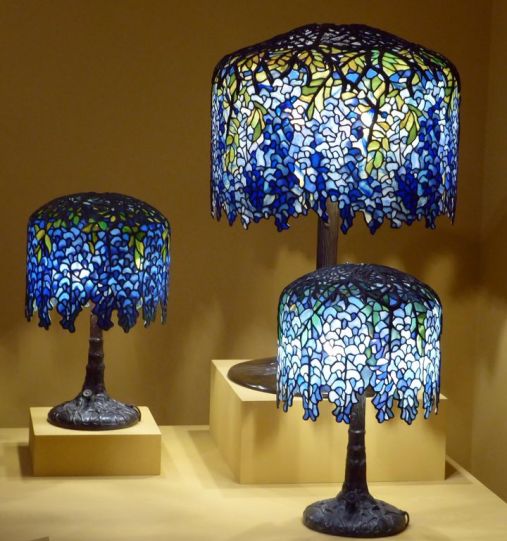
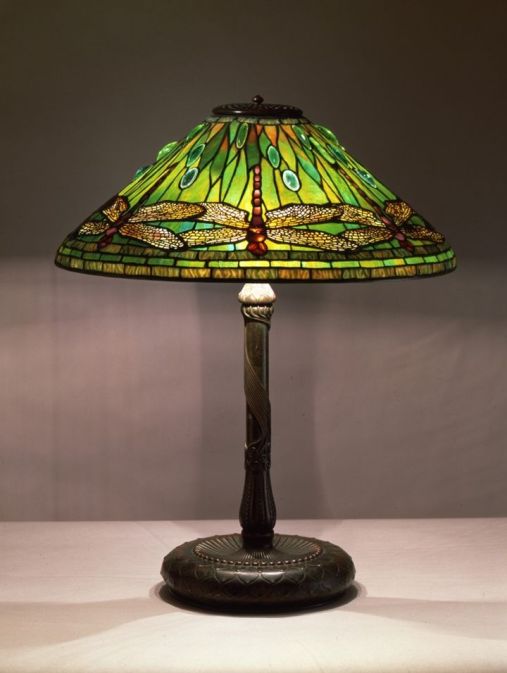
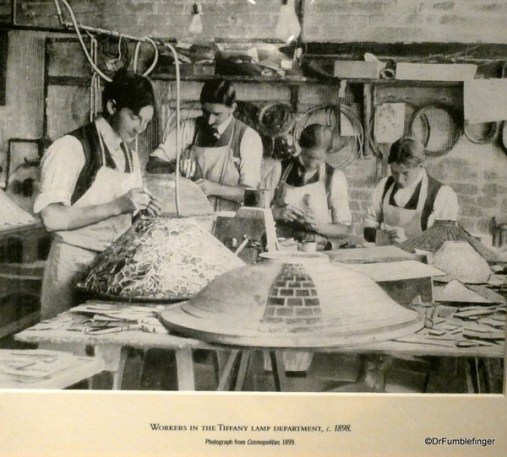
In Orlando, I didn’t really expect any art museums, as the city, to put it politely, has a different focus. However, the museum I visited was indeed a hidden gem. The Charles Morse Museum is largely dedicated to Tiffany lamps. Tiffany lamps refer to a style first created and made famous by Louis Comfort Tiffany, the elder son of Charles Lewis Tiffany, the renowned owner of the jewelry firm Tiffany & Co.

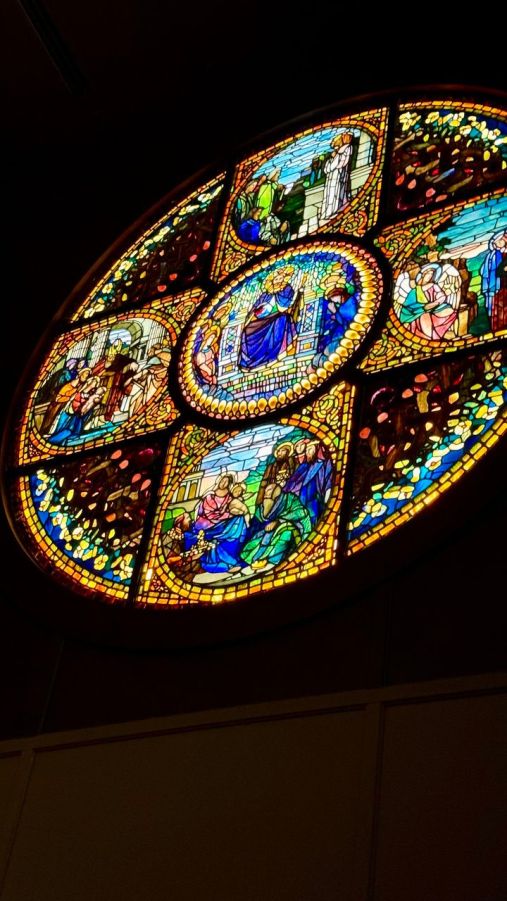
The idea to create lamps came unexpectedly. When making stained glass windows, there was a huge amount of unused material. Not wanting to waste it, Louis Comfort decided to try creating something new and useful, which led to the first example of these lamps.

He was the first to come up with joining small pieces of colored glass using a narrow copper foil strip and lead came, thus creating the first lampshade in this technique.

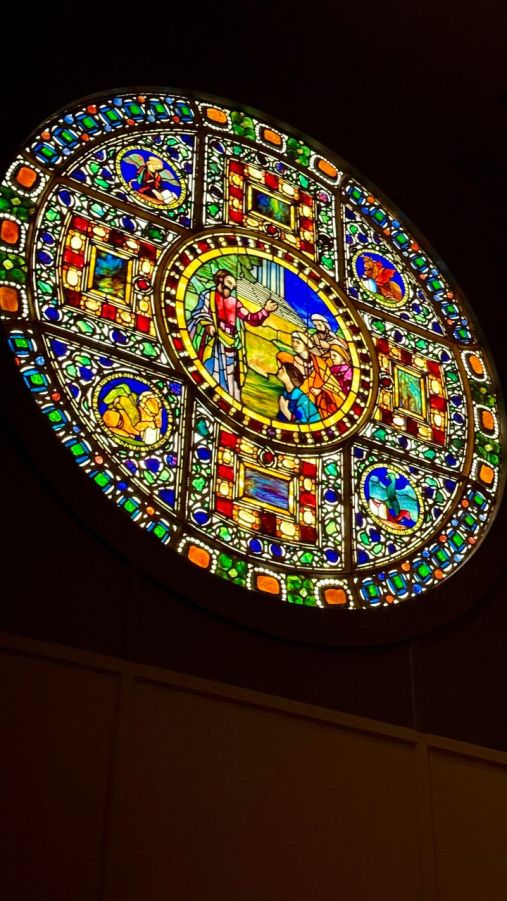
And now, the museum is full of these original lamps and stained glasses. Check out the photos!

The business of the creator began to decline shortly before World War I. In 1917, Tiffany retired, allowing some of his employees to continue selling the products and furnaces for glassmaking. After his death (1932), the popularity of his creations significantly decreased. For two decades, Louis Comfort Tiffany’s designs were forgotten. Over time, Tiffany lamps regained popularity, and his works began to be exhibited in various museums; collectors were in constant search for these rarities. Many craftsmen, due to such demand, attempted to replicate the famous lamps, but it was nearly impossible. Today, the creator’s works are highly valued worldwide as modern-style designer items.

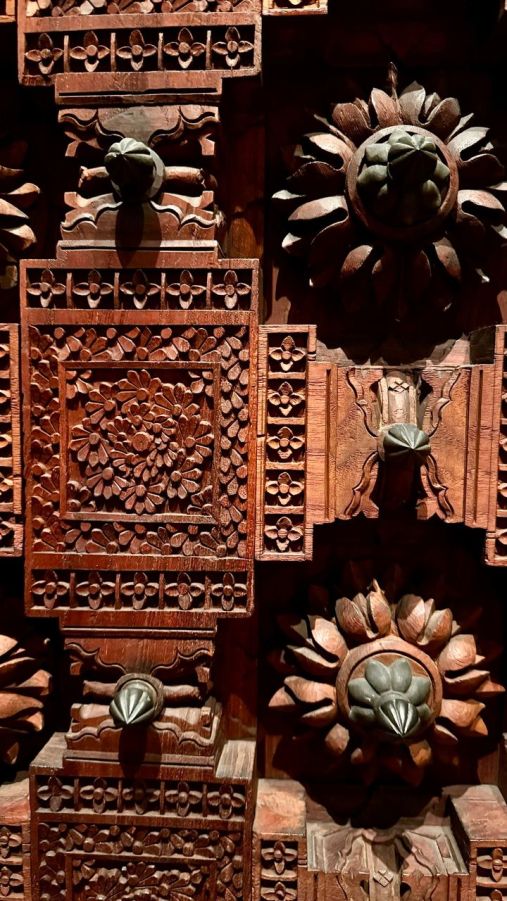
There were also exhibits unrelated to the Tiffany lamp technique. I’ll add them too, it’s all very beautiful.

In short, Orlando is not just about theme parks. Although, of course, I did see a park too — Disney Hollywood Park, where I attended a Maroon 5 concert.

Navigating Flight Delays: The Impact of Lightning Strikes | June 06 2024, 23:22

The storm is delaying the flight. FAA rules are such: if there’s lightning within a certain radius, a 15-minute countdown begins. If no new lightning strikes occur before the time is up, the airport resumes operations, we announce boarding, and likely, the plane will depart swiftly. Ultimately, you can’t get far from the gate.

Understanding Pneumatophores: The Breathing Roots of Trees | June 06 2024, 21:58

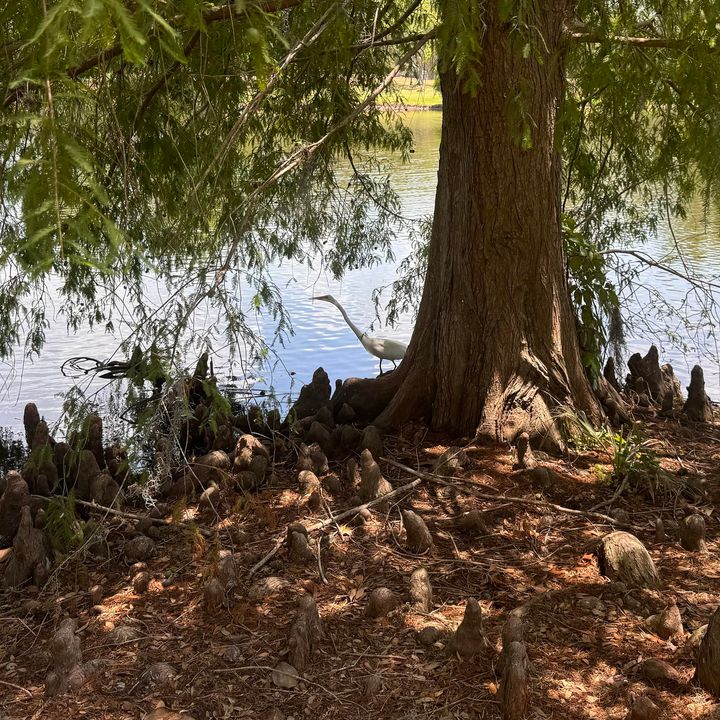
These protrusions sticking out of the ground are the tree’s breathing organs. Pneumatophores. Normal trees breathe oxygen through the soil, but in very moist soil there is simply very little oxygen, and the trees reach upward with their roots. You might ask, why don’t they breathe with their above-ground parts as well? They do, but the pump in the tree’s capillaries works from bottom to top, and the roots need something to live on.

Photo by me, Orlando

Andrea Kowch | June 05 2024, 12:24

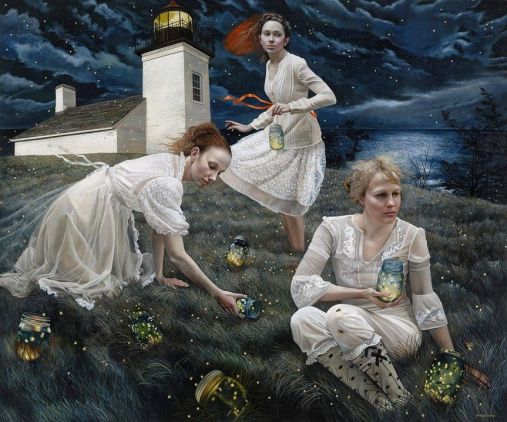
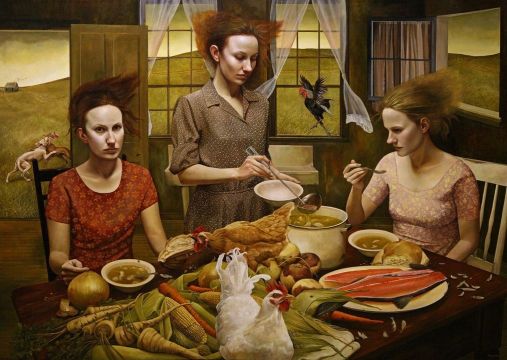
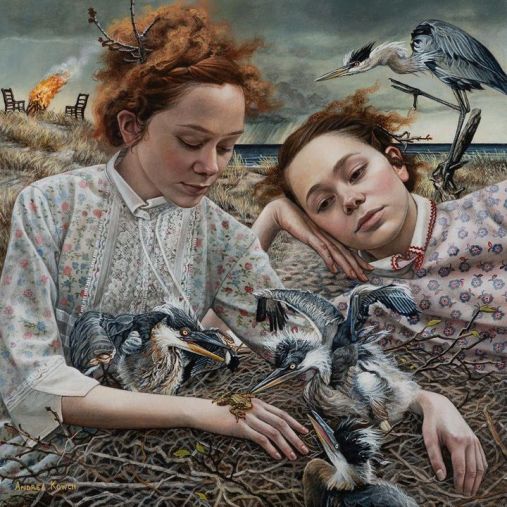
(ENG) This artist, Andrea Kowch, has long been on my list for this series, yet each time something delayed it. Her works, on my beauty scale, ascend into an extra dimension, for it’s insufficient to merely call them beautiful, yet their artistry is undeniable. Furthermore, it’s hard to tear one’s gaze away, isn’t it? The everyday triteness of village life is transformed into a scene from some magical realism novel. Undoubtedly, Kowch has a rich imagination and the artistic mastery to realize it. Her technique and detailed approach are impressive. And indeed, we’ve been short of surrealists for some time. For an artist, being a bit “cuckoo” is arguably beneficial to the profession, at least while stationed before the canvas.

Kowch’s painting style might well be described as a “dark fairy tale,” as both elements pervade her canvases; dark, somber, almost gothic moods interspersed with fairy tale and narrative components.

The models for all of Kowch’s paintings are her friends. It seems some friends have become professional models, which is why faces often recur, even within the same piece. But this only adds to the mystery and allure.

A reminder that similar posts are grouped under the tag #artrauflikes, and on beinginamerica.com in the “Art Rauf Likes” section, you can find all 76 (unlike Facebook, which forgets about nearly half).

(/ENG)

Jeffrey Larson | June 03 2024, 03:21

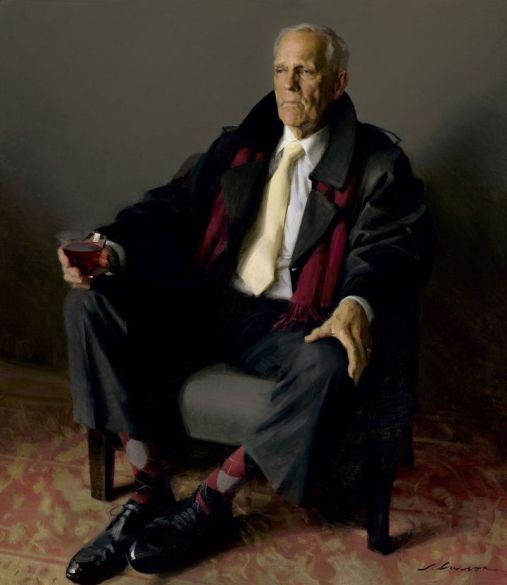
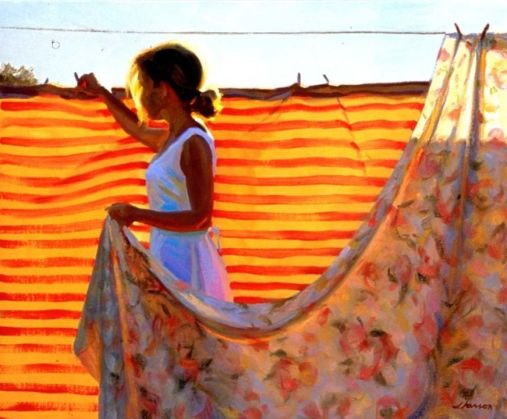
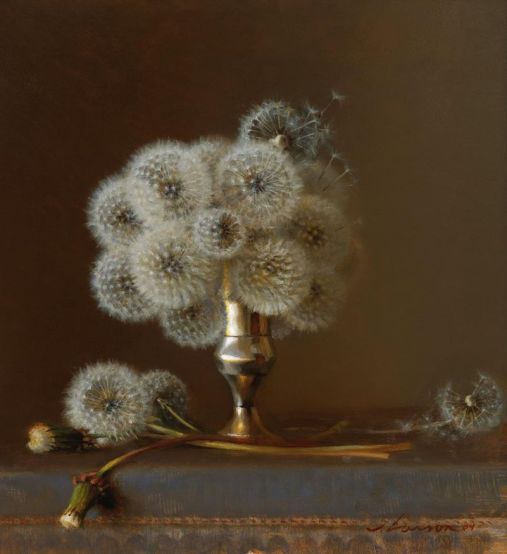
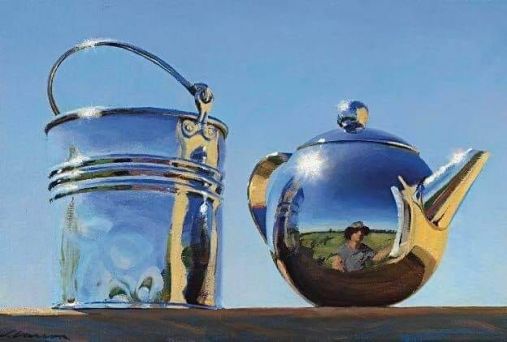
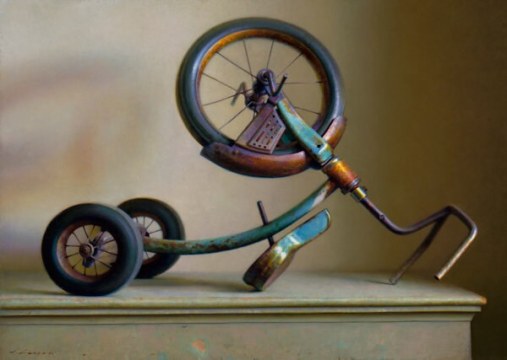
Today, I suggest we get acquainted with another inspiring artist—American painter Jeffrey Larson. Sheer perfection! He has a large series of works featuring the sun, a girl, and laundry being hung. There’s a large series of still lifes. And portraits. And all of this is at the highest level.

I remind you that similar posts are grouped under the tag #artrauflikes, and on beinginamerica.com in the “Art Rauf Likes section, you can find all 75 (as of now) posts (unlike Facebook, which forgets (ignores) almost half of them).
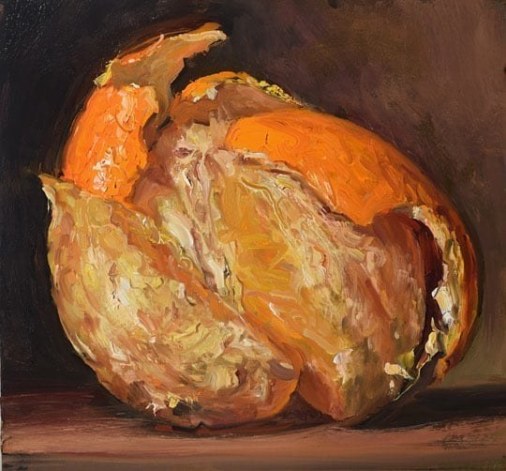
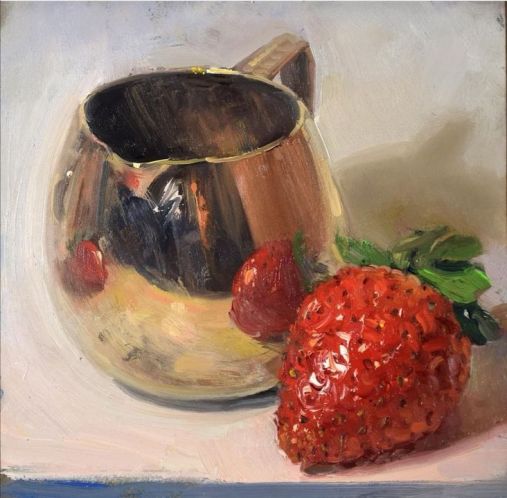
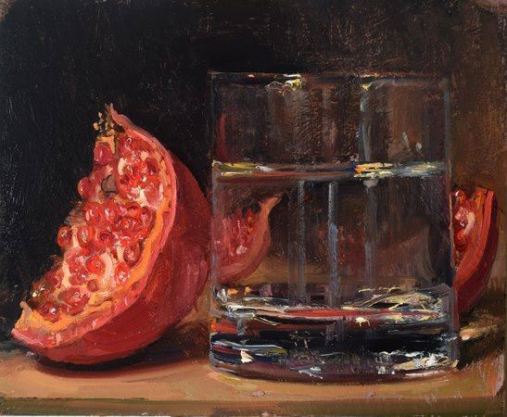
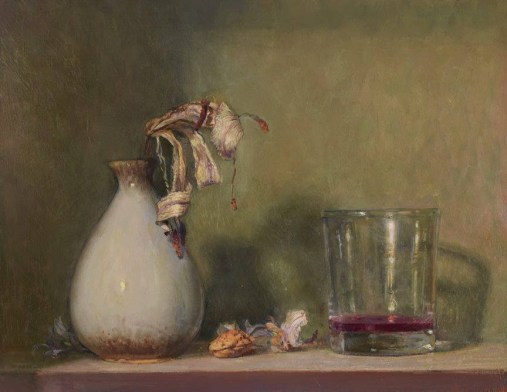
Duane Keiser | June 01 2024, 17:12

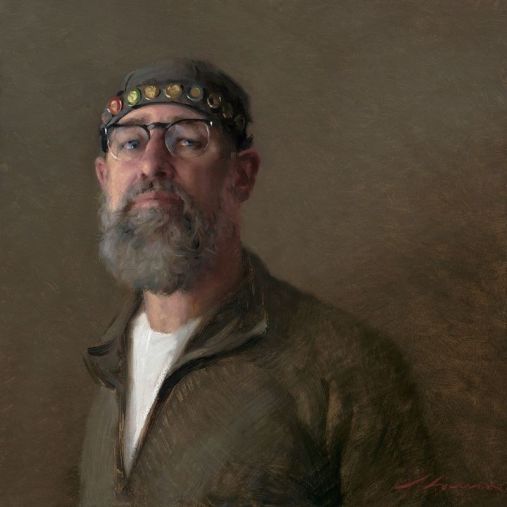
Duane Keiser is a contemporary American musician and artist, an assistant professor at the University of Richmond in Virginia. Duane created the “painting a day” trend. Every day he paints one postcard-sized painting and posts them on his website, where collectors can bid. Bidding starts at $100 and varies up to $1500.

“When I started painting in 2004, I did one painting a day for a year and a half. I wanted to create a ritual for myself—to finish a painting in one day without any excuses.”

It’s a great principle, by the way, applicable in any field. The second great principle is to share knowledge with others (which is why I started this blog). You can’t follow it unless you love what you do, and once you start following it, you can’t help but develop at the maximum possible pace. In the case of “a masterpiece every day,” you raise the bar for yourself so much that it’s just embarrassing to post something worse than what you posted before. And so it doesn’t turn out worse. Partly because so many hours of practice contribute to quality on their own. It’s partly the same when you regularly write articles for a blog—the “bar” rises, and so do the standards you set for yourself. But something else kicks in: you simply can’t leave things unfinished. If you need to talk about X, you will dig into everything around X to ensure there are no gaps in your understanding. This helped me a lot to master topics well.

I remind you that similar posts are grouped under the tag #artrauflikes, and on beinginamerica.com in the “Art Rauf Likes section, you can find all 73 (as of now) posts (unlike Facebook, which forgets (ignores) almost half of them).