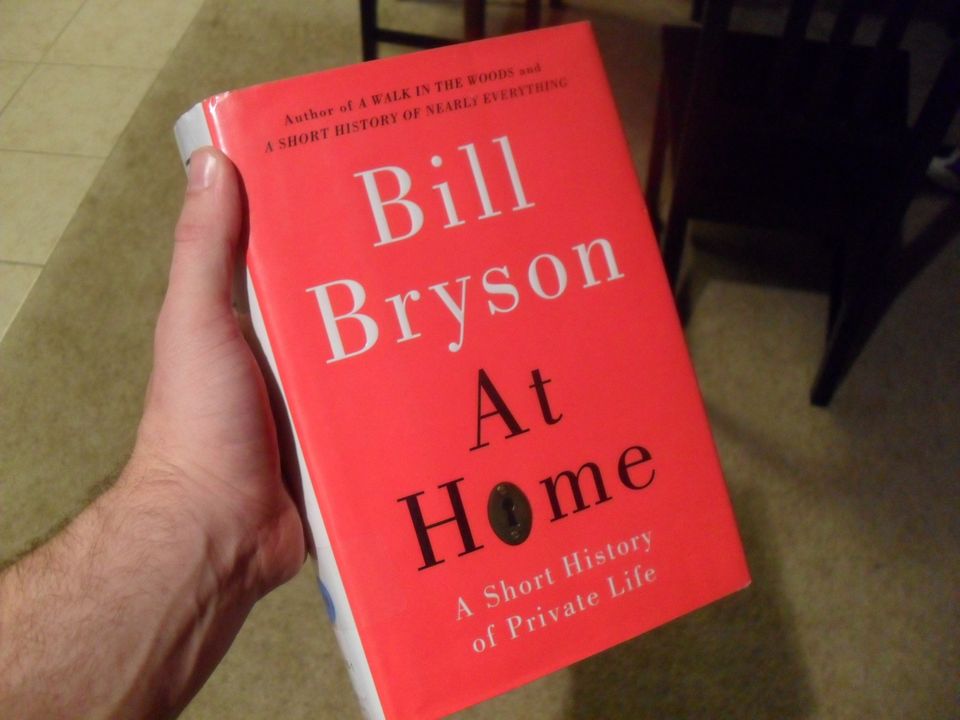
I am currently reading At Home by Bill Bryson. It is very interesting to learn about laundry in the 19th century in England. Plus, I will add something interesting at the end about the relationship with the servants.
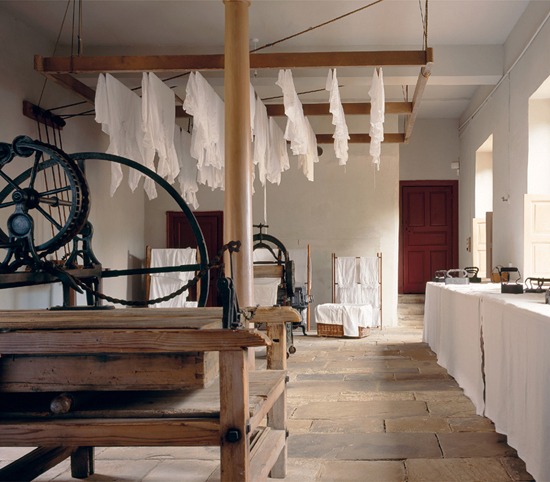
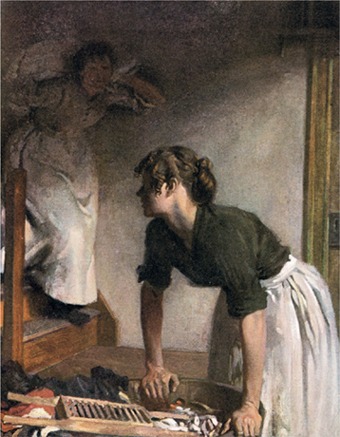
“At the very bottom of the servant hierarchy were the laundresses, who were so inconspicuous that they were often kept virtually out of sight. They were brought laundry to wash, rather than collecting it themselves. Laundry was considered such a despised task that, in large houses, servants were sometimes sent to the laundry room as a punishment.”
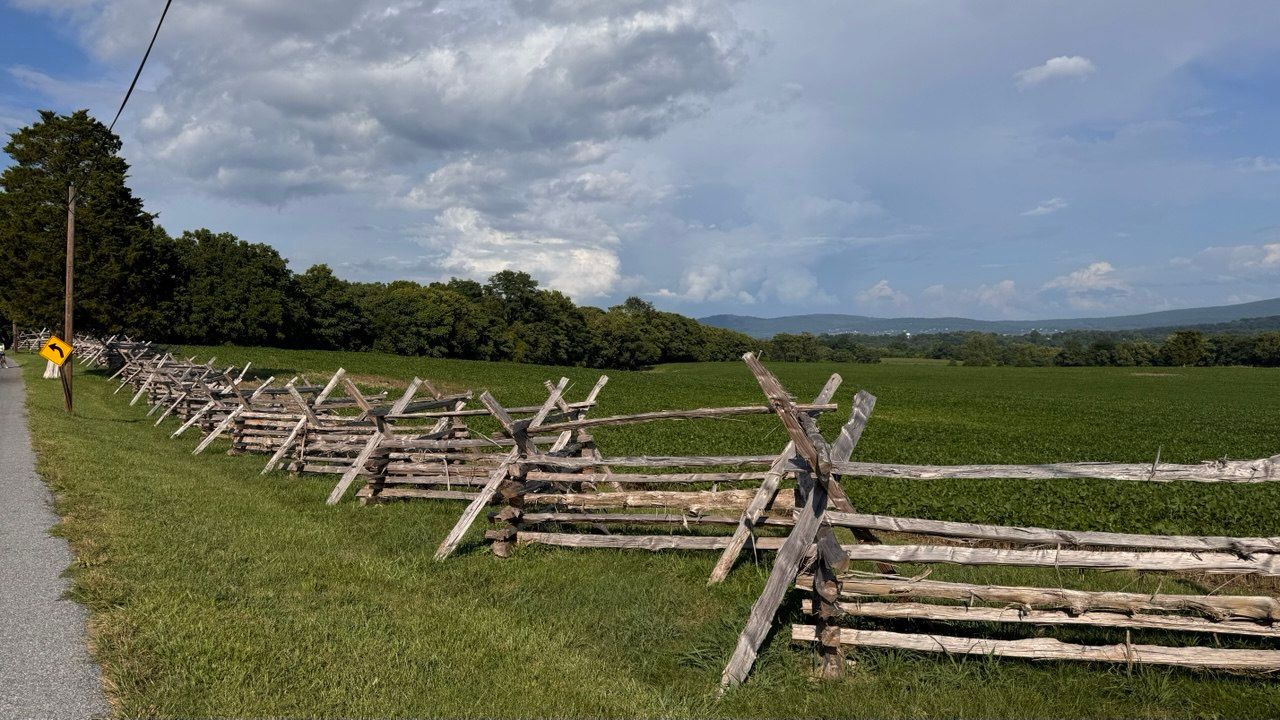
Since there were no detergents before the 1850s, most laundry had to be soaked in soapy water or lye for several hours, then vigorously beaten and scrubbed, boiled for an hour or longer, repeatedly rinsed, hand-wrung or (after about 1850) passed through a mangle and taken outside to be hung on fences or spread on the lawn to dry.
One of the most common crimes in the countryside was the theft of drying laundry, so often someone had to stay nearby until it dried.
Overall, according to Judith Flanders in The Victorian Home, a simple wash—for example, sheets and other household linens—included no fewer than eight different processes. Difficult or delicate fabrics had to be handled with the utmost care, and items made from different types of fabrics–such as velvet and lace–often had to be carefully taken apart, washed separately, and then sewn back together.
Because most dyes were unstable and fickle, precise doses of chemicals had to be added to the water of each wash to preserve or restore color: alum and vinegar for green, baking soda for purple, vitriol (actually concentrated sulfuric acid) for red. Each experienced laundress had a catalog of recipes for removing various kinds of stains.
Linen was often soaked in sour urine or a diluted solution of bird droppings, as this had a bleaching effect, but since such mixes (unsurprisingly) smelled bad, they required additional intense rinsing, usually in some kind of herbal extract, to soften the smell.
Starching was such a labor-intensive process that it was often postponed to the next day.
Ironing was yet another complex and daunting task on its own. Irons cooled quickly, so they had to be used swiftly and then exchanged for freshly heated ones. Usually, one iron was in use while two were being heated. The irons themselves were heavy, but still required strong pressure to achieve the desired results. Without temperature control, it was easy to scorch fabric, and fabric and clothes were very expensive. Heating irons on the fire often led to the development of scales, so they constantly needed to be wiped. If starch was used, it stuck to the bottom of the iron, which then had to be sanded down with sandpaper or a scrubbing board.
The invention of detergent—as shown in this 1890s advertisement—eased, at least, part of the heavy labor of laundresses.
On laundry day, it was often necessary for someone to get up at 3 a.m. to prepare the hot water. In homes with only one servant, it was often necessary to hire an outside laundress for the day. Some homes sent their laundry out, but until the invention of carbolic acid and other powerful disinfectants, this was always accompanied by the fear that the laundry would come back infected with some terrible disease, such as scarlet fever.
There was also an unpleasant uncertainty about whose clothes were being washed with yours. Whiteley’s store, a major London department store, offered laundry services starting in 1892, but it was not successful until the store manager thought to place a large advertisement stating that servants’ and clients’ clothes were always washed separately. Until the 20th century, many of London’s wealthiest residents preferred to send their weekly laundry to their country estates by train, to be washed by people they trusted.”
And so as not to get up twice, an interesting story about Hanna Cullwick, now known for her memoirs. She kept a very detailed diary for 40 years, practically every day recording various details of her life and work.
So, besides this diary, more accurately, much more than this diary, her contemporaries appreciated something quite different. For thirty-six years, from 1873 until her death in 1909, she was secretly married to her employer, a civil servant and little-known poet named Arthur Munby. Arthur never disclosed their relationship to family or friends. When they were alone, they lived as husband and wife, but when guests came, Cullwick again became a servant. If overnight guests stayed, Cullwick left the marital bed and slept in the kitchen. Among Munby’s friends were such well-known people as the art critic John Ruskin, pre-Raphaelite artist Dante Gabriel Rossetti, and poet Robert Browning. They often visited his home, but none of them knew that the woman who called him ‘sir’ was actually his wife. Even alone, the relationship between Munby and Cullwick was, to put it mildly, somewhat unconventional. At his command, she called him ‘master’ and dyed her skin to look like a slave. As it turned out, she kept the diaries mainly so he could read about how “she got dirty.”
Only in 1910, after his death and the announcement of his will, did this news become known, causing some scandal. It was this strange marriage, not her touching diaries, that made Hanna Cullwick famous.


















 Hi, I'm Rauf Aliev.