Gely Korzhev | June 12 2024, 15:36

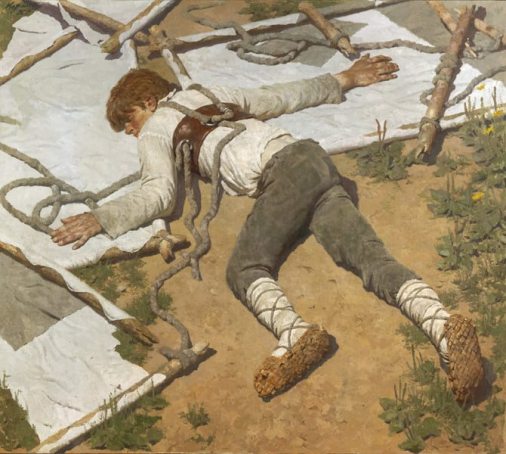
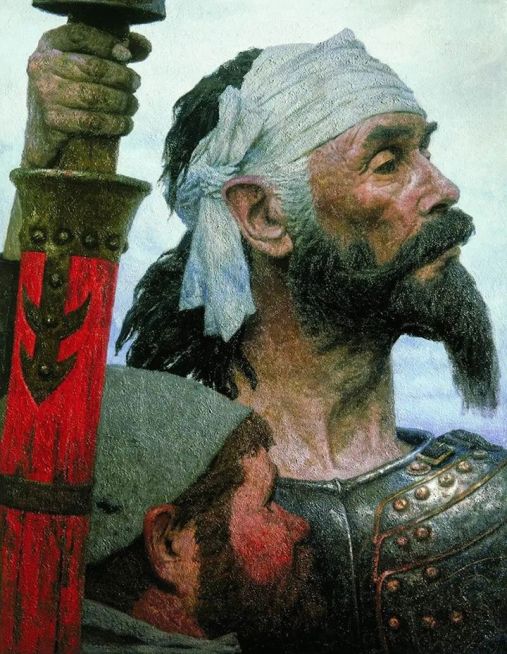
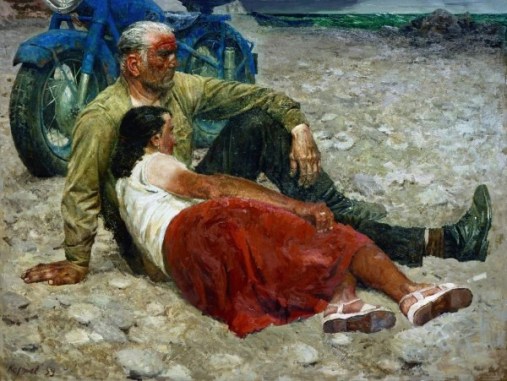
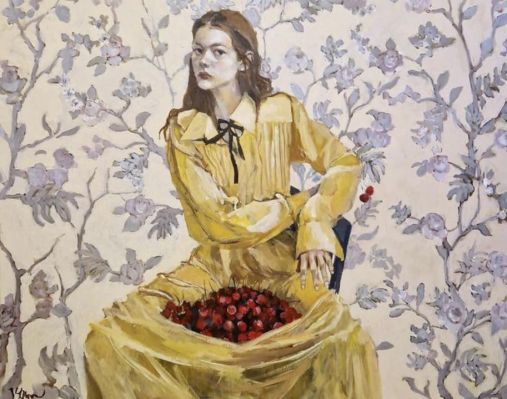
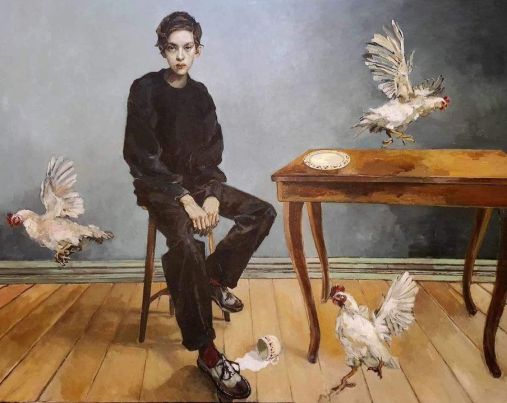
Soviet and Russian artist Gely Korzhev-Chuvelev (1925-2012). Powerful works depicting harsh realities and, unexpectedly, biblical themes. The paintings created by Gely Korzhev in 2012 were titled “The Last Hours on Earth and “The Victor. With these works, he concluded his creative and earthly journey.

(1) Deprived of Paradise. (2) Egorka the Flyer. (3) My Neighbor Across the Street. (4) Mutants (but someone recognizable). (5) Clouds 1945. (6) On the Road. (7) In the Days of War. (8) Washing. (9) Don Quixote. (10) The Banner Raiser. (11) Lovers. (12) Struggle. (13) The Last Hours on Earth (14) The Victor

Remember that similar posts are grouped under the hashtag #artrauflikes, and on beinginamerica.com in the “Art Rauf Likes section, there are all 81 (unlike Facebook, which forgets about almost half).

Marilyn Monroe | June 12 2024, 15:11

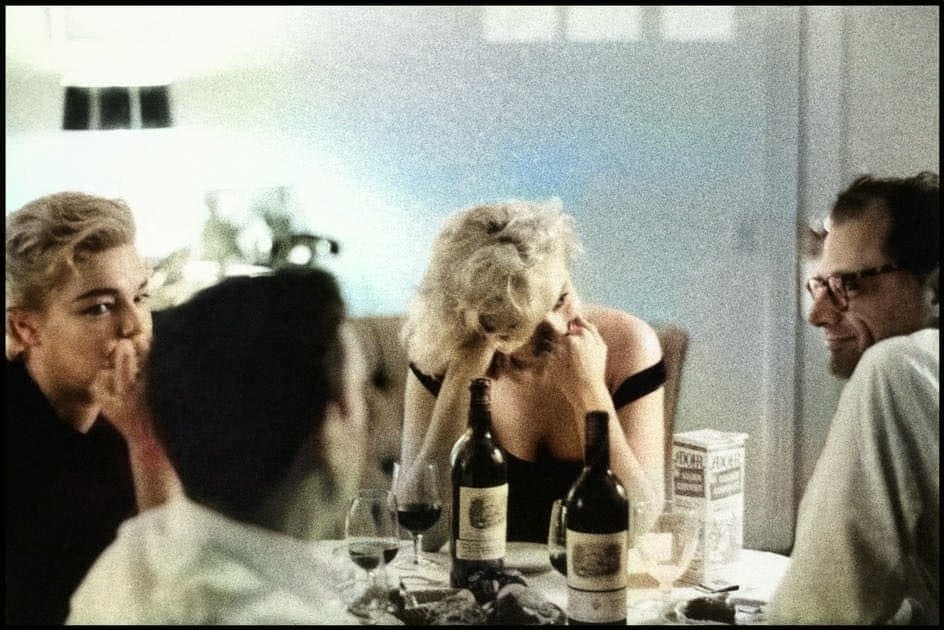
A fine photograph (colorization mine). Marilyn Monroe gazes at her husband Arthur Miller, who has grown cold towards her and is harboring plans for divorce. Miller looks at Yves Montand, a star of European cinema at the time, whose friendship flattered him. Yves Montand looks at Marilyn Monroe, already smitten with her, on the brink of an affair. Yves Montand’s wife, Simone Signoret, watches her husband — she wouldn’t have been a great actress if she couldn’t show warmth convincingly and with dignity in this situation. All in all, it’s complicated.

Taken by Bruce Davidson (1960), during the filming of Let’s Make Love, Beverly Hills Hotel

Unveiling Ingebjørg Frøydis Støyva | June 11 2024, 20:17

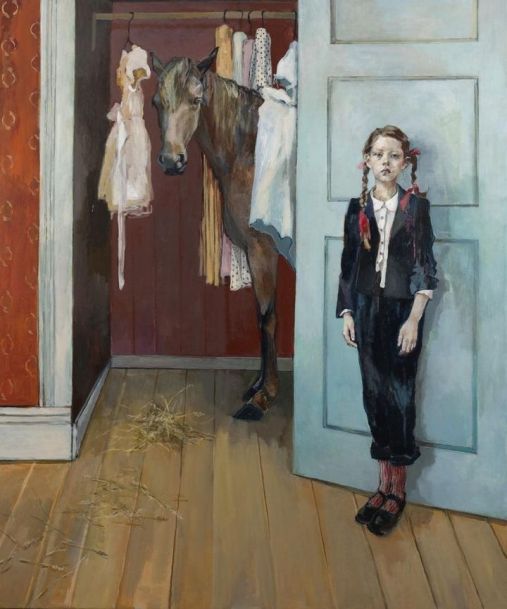
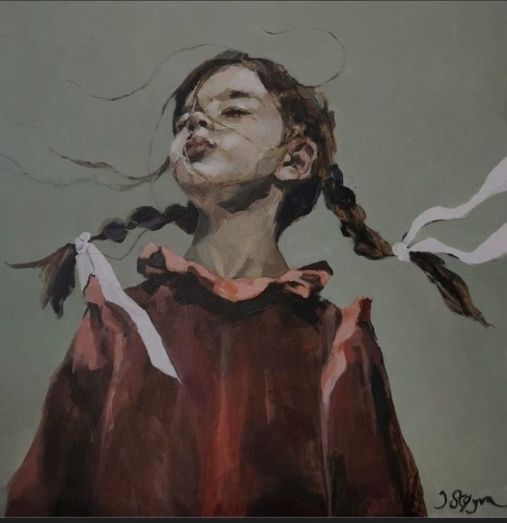
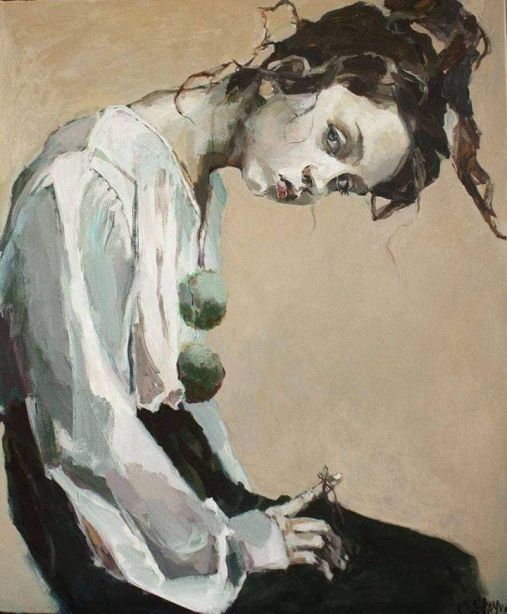
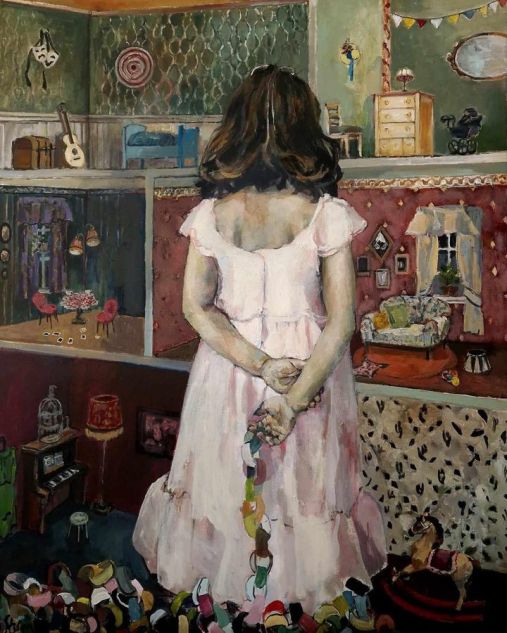
Today, let’s talk about the very interesting Norwegian artist Ingebjørg Frøydis Støyva (Ingebjørg Frøydis Støyva, 1978). The first painting with a horse in the closet is called ‘Can I keep him?’. Some people have skeletons in their closets, while others have a whole horse. I really love this artist. Generally, artists who embrace their quirks and create from that place are always fascinating.

Apple Intelligence and batteries | June 11 2024, 14:38

In all this buzz about AI integrated into operating systems, what really doesn’t concern me is privacy. Rather, it’s the fact that overengineered software begins to devour hardware faster than the hardware can evolve, and eventually, I start contemplating a switch back to Linux, where things are much more transparent.

Just look at this. My Mac’s advertised battery life is 21 hours. In other words, you turn on your laptop at 8 AM, start streaming something from YouTube, and the battery should only run out by 5 AM the next day.

But in reality, that’s not what happens. Indeed, it does last significantly longer than any other laptops I’ve had before, but sometimes the battery drains in just a few hours. Why? That’s unclear.

Why? Because the OS, for example, might find an unindexed unpacked archive, and the corespotlightd process kicks off to index it. This process can’t be stopped—you can only turn it off forever, but then the search function won’t work. It’s possible to exclude indexing in Documents (which I’ve already done). But then another process wakes up due to some signal or schedule, and it too starts consuming the battery or CPU.

Still, it’s fair to say that this doesn’t really cause any major issues. Things run, they heat up the air, might be useless, but specifically the M3 Max never lags.

For instance, among the processes is the Apple Neural Engine Daemon (aned). It periodically wakes up and consumes resources. With new functionalities, such a process will awaken more frequently and use up more resources. Or something like com.apple.NRD.UpdateBrainService decides it needs to update some neural networks. And the more software you install on the computer, the more such instances you’ll encounter. Just Intellij Idea alone drains my battery and processor faster than anything else. I’ve made it a rule—when on battery, shut down Idea.

Ideally, having AI on a device should indeed heat the chip and drain the battery more actively, and most likely “just in case,” since not all users need all these AI features. I suspect that Apple will employ a trick: measuring battery performance without a configured iCloud and Apple Intelligence account, and we’ll see all those 21 hours of autonomous work. But as soon as the computer switches to working mode, it will need charging more often, and the office will be slightly warmer.


Andrey Anischenko | June 10 2024, 21:01

Such a great interview! Andrey is an amazing guy, very proud to know him and hoping it counts as friendship since around 2005 or so Andrey Anischenko

P.S. And, oh, when you decide to conquer North America, head north, ideally along the East Coast and preferably through Washington!

Everyone else – tune in, watch, Andrey really shares some interesting insights about the journey and the edtech market.

https://youtu.be/XWZ8f9RxUmw?si=bmnkUbSQzYISxnDT

Terry Miura | June 10 2024, 17:08

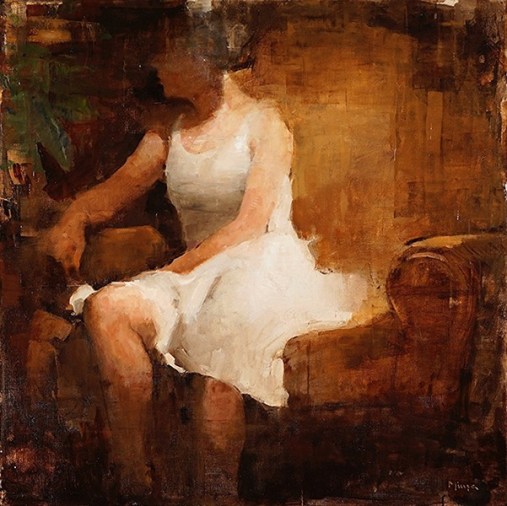
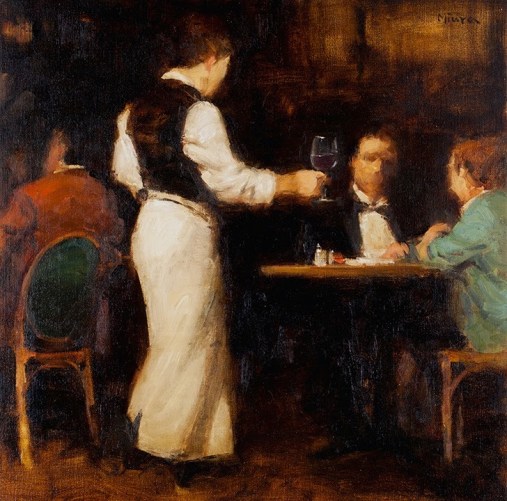
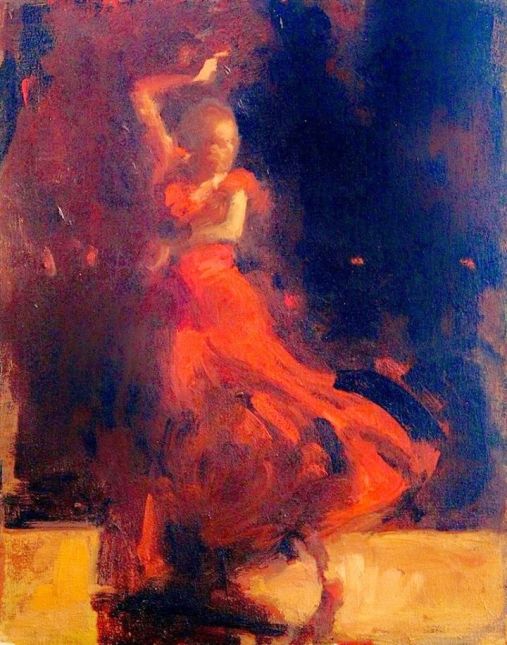
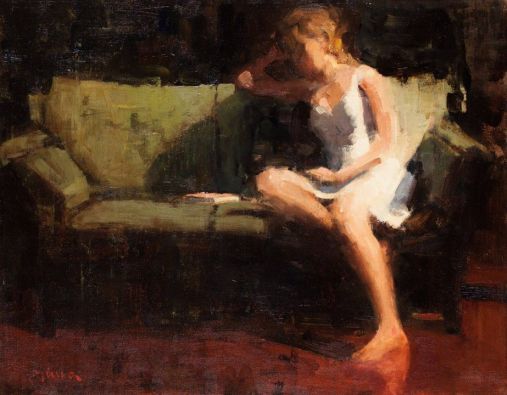
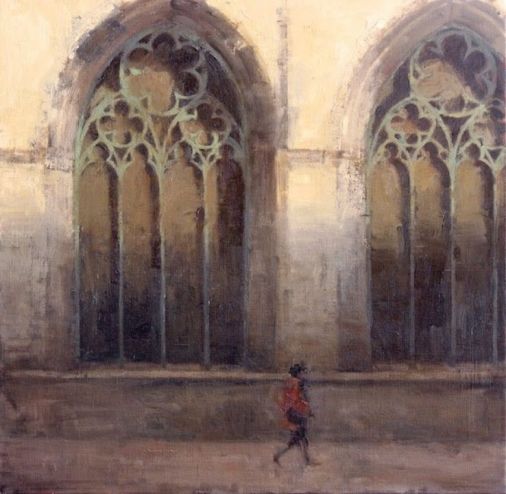
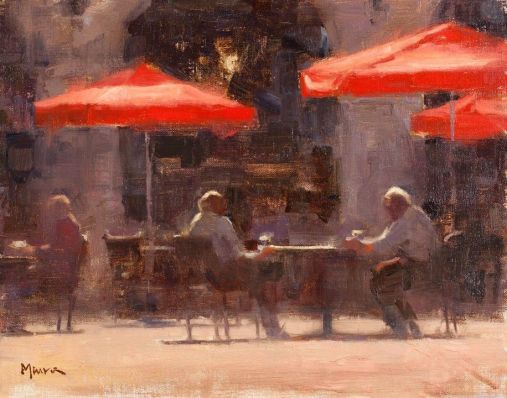
An intriguing artist, Terry Miura (born in 1964), originated from Japan and relocated to New York, where he pursued his education and furthered his artistic journey.

As I gaze upon his paintings, I am reminded of Richard Schmid’s assertion in his current book that nature contains no definitive lines. Thus, when translating visuals onto canvas, line-oriented thinking may prove counterproductive, even obstructive. It’s more useful to consider swathes of color. Another compelling concept he mentioned is prioritizing the observed over the known; should a conflict arise, depict what you see, for painting the known risks portraying an absence instead of presence—a fascinating notion indeed.

This perspective harks back to the ethos of earlier painters (and some of their modern counterparts): viewing objects more as people and items within a context than as visual constructs shaped by light necessitates painting based on known attributes—what other references could they rely on? Understandably, the more these early artists knew about their subjects, the more adept their renderings. Thus, depicting what was expected involved extensive study and memorization due to the sheer expanse of subjects. Naturally, this led to specialization: one might focus on animals, another on architecture, and a third on portraiture.

Even today, such artists (including many contemporaries) are often easily recognized as much for their thematic focus as for their stylistic and period distinctions.

I find this methodology compelling. It’s not novel, and Richard Schmid articulates it effectively. This becomes particularly evident when attempting to paint a modern car seen from a few meters away. It appears straightforward: four wheels, some curves. Yet, each car’s curves are unique, lacking clear rationale, and knowing the ‘anatomy’ of a Toyota RAV4 offers little aid in depicting, for example, a Chevrolet Corvette. Furthermore, proximity amplifies these curves’ perceptual distortions, potentially overwhelming the mind. It proves simpler to bypass sketching and commence with color patches and shapes, refining them subsequently.

Clearly, Terry Miura shares this perceptual framework. For him, there are no figures clad in red or white dresses; there are only patches. Compositionally effective and balanced patches are all that need to be accurately placed—and misplaced where not needed.

Note that related posts are consolidated under the hashtag #artrauflikes, and the “Art Rauf Likes” section on beinginamerica.com lists all 79 (unlike Facebook, which omits nearly half).

Julian Merrow Smith | June 09 2024, 15:02

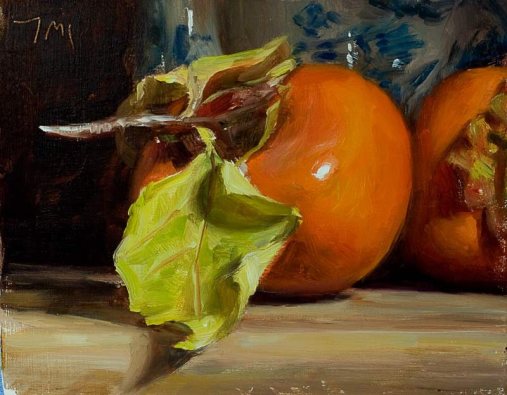
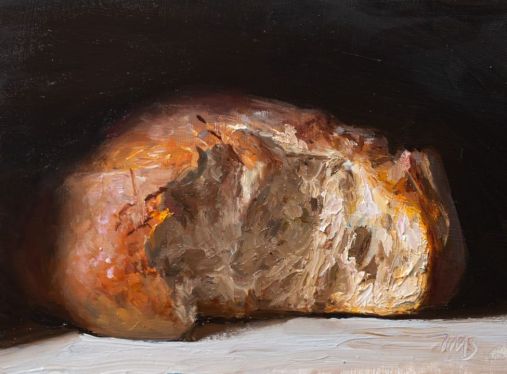
Another self-taught artist from Britain/France, Julian Merrow Smith, is known for his still life paintings. Most of his works are still lifes, but each one is a masterpiece. His use of color, composition, realism, and simplicity is exceptional. However, the realism is not achieved by meticulously placing fifty “pixels” per square millimeter. Upon closer inspection, all his works are relatively quick. And yes, after viewing his paintings, you will likely crave something juicy, sweet, ripe, and vibrant.
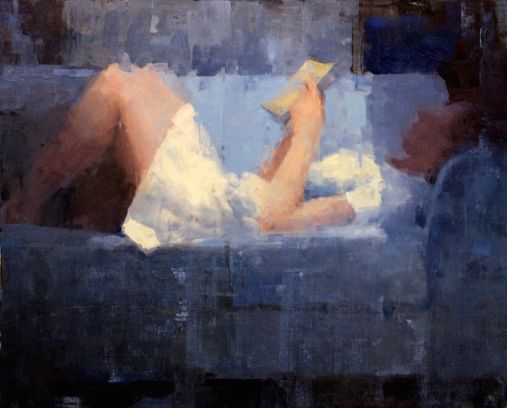
He has a website called Postcard from Province (shiftinglight) — just Google it. Currently, there are 3697 paintings posted there, one for each day since 2005. Remember I wrote about Duane Keiser? He should have patented “a painting a day.” This is exactly how one should hone their skills.

I remind you that similar posts are grouped under the hashtag #artrauflikes, and on beinginamerica.com, in the “Art Rauf Likes” section, you can find all 78 posts (unlike Facebook, which forgets (ignores) almost half of them).