They cleared out everything from Liza’s closet and took her favorite cat. Now the daughters have moved away: one lives in Italy, the other – in Blacksburg. The kitty lived with us for eight months, now we are taking him to Liza. Yuki said he would provide moral support.
One really good thing about Kensington — this incredibly criminal neighborhood of Philadelphia, just teeming with dying drug addicts on the streets, a couple of hours away from us. Varlamov traveled there to report on “Kensington: Zombie Apocalypse in the Middle of the USA”, and after seeing Peter, watching Varlamov is revolting. Such different approaches to the same topic. Varlamov presented the neighborhood as a form of entertainment, while Peter shows what life there is like, from a very kind and humane perspective.
I’ve noticed time and again that if I perform an audit on any part of a project where no one before me has, I invariably stumble upon some horror. It’s almost worth taking bets on it soon.
Simply take something that’s been somewhat working for years, that no one has bothered to look into because it works, and you’ll discover that a process is being triggered 50 times when once would suffice, or there’s a security breach, or something else.
The reasons for this are usually an excessive adherence to the “if it ain’t broke, don’t fix it” principle, and not enough attention paid to “what could go wrong” during the development phase. It’s just that things “going wrong” don’t always lead to noticeable problems. If you have five million products in your catalogue, 10,000 broken ones hardly make a dent. Until some customer reports it, that is.
Maybe I should have gone into testing? I’ll go check what courses are available.
If you need your phone to read any text in any language, with good diction, and not like a robot, there is a convenient feature: send the text to ChatGPT (app) preceded by the prefix “return this exact text to me”, and on the returned text, click Read Aloud. I haven’t tried it on very long texts, but it easily could last for 15-20 minutes.
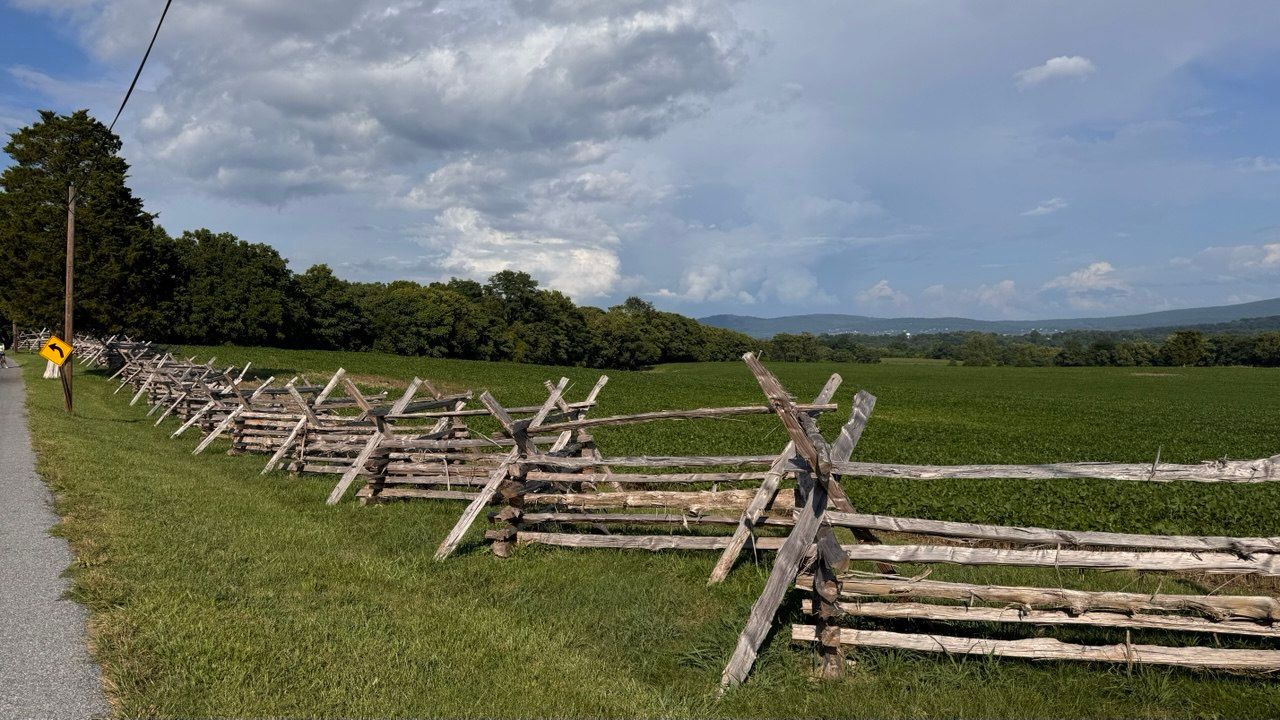
Today we went biking in Sharpsburg, where the Antietam National Battlefield is located. I was drawn to the zigzag-shaped fence, which is called a Buck-and-rail fence in English—a fence made of posts and rails. It was widely used in the US, particularly in rural areas, from colonial times up to the 19th century.
The unique feature of such fences is that they are very quick and easy to build on any terrain—no nails are needed, and the way the parts connect ensures everything holds together naturally very tightly. If a hypothetical cow were to try and push this fence, it would only drive itself deeper into the ground and “strengthen” further.
I found this interesting also because it reminds me of a similar structure made of bricks but wavy this time. It’s particularly common in England, but you can find it in the US too. For instance, the University of Virginia has had such walls for two hundred years.
The most interesting aspect of the wavy wall is that this type of construction uses FEWER bricks than building a straight and even wall of the same strength. When constructing a regular flat wall, bricks are typically laid in at least two layers to ensure its strength, whereas a wavy wall allows for saving on bricks and using just a single layer. Its stability is provided by the alternating convex and concave bends.
This is a very, very good channel on English pronunciation. The creator really goes all out, preparing simply fabulous and lengthy videos on various topics, yet for some reason remains very “niche” with only 50K subscribers.
There are about fifty videos on his channel; they are released infrequently, but each one is a treasure trove of very interesting information about English pronunciation, and very useful tips specifically for Russian speakers on how to improve their pronunciation. I think I’ve watched them all.
And now, after a long hiatus, another one has just been released. Highly recommend it.
I once shared how convenient it is to cook soup with a pressure cooker — ten minutes to chop potatoes, carrots, and onions, throw in the meat, add water, press the button and it’s ready in an hour.
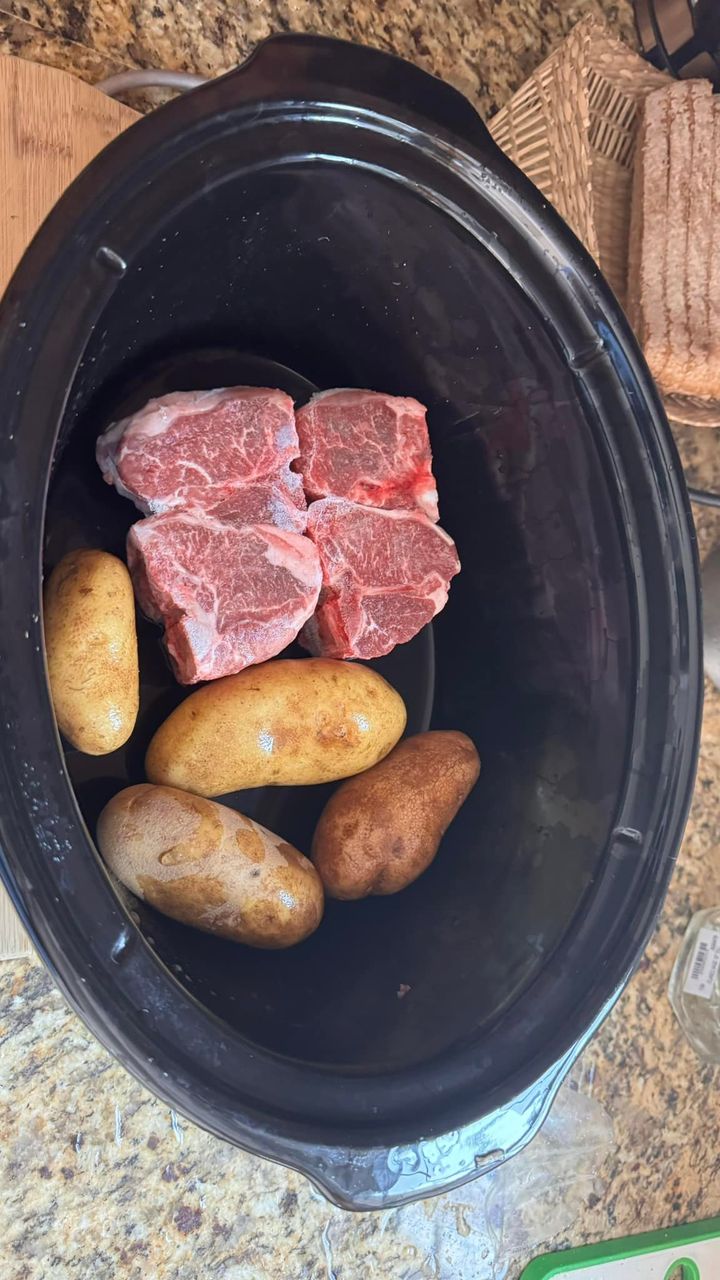
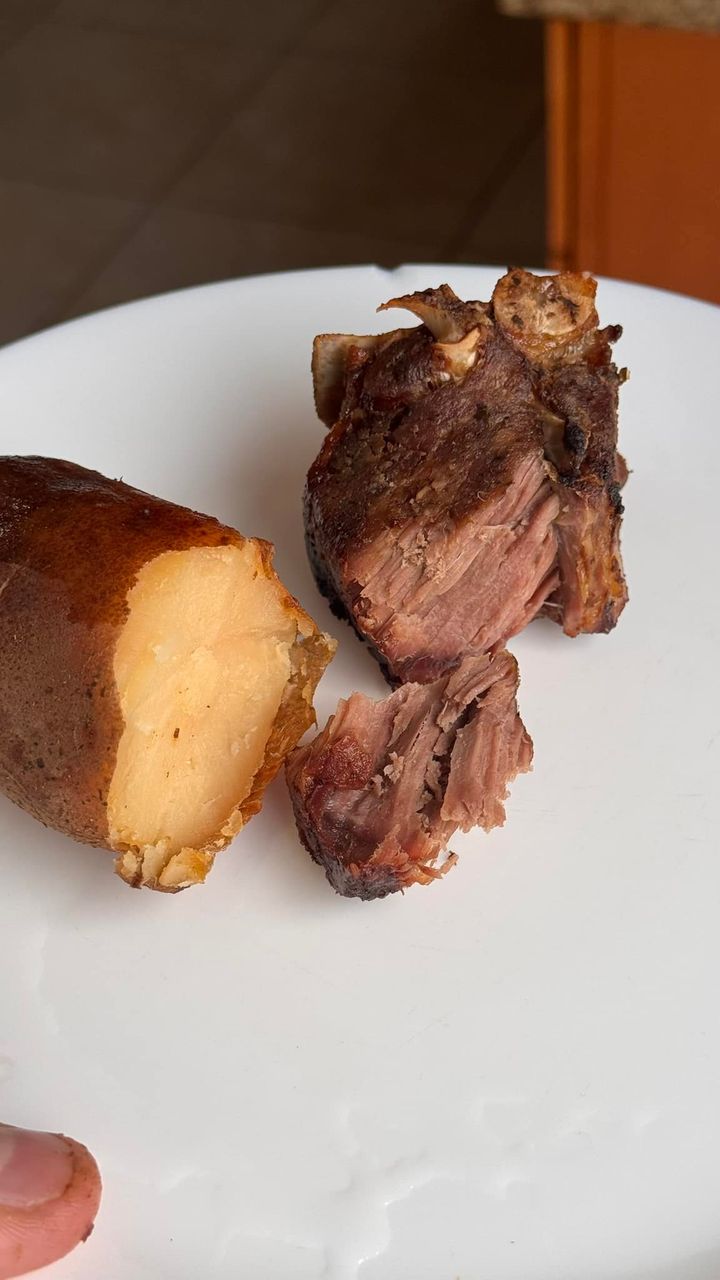
I pulled out the slow cooker from the garage — cooking with it is even simpler (and the food turns out very, very delicious). Just throw meat and potatoes into an empty pot. Ideally, of course, wash them first. And that’s it. Press the button and after a few hours, you get very tasty, very tender meat with real baked potatoes. Just today, I slightly overdid it (seven hours, of which four were on high, which is admittedly too much). Still very tasty, but it could have been a tad better, something for next time. Ribs, in particular, turn out great only this way. They are fatty and need to be cooked long.
Got access to OpenAI Search. Something is disappointing—why are the sources in Russian? Yes, I asked in Russian, but what does that have to do with the choice of sources? If you ask in English, everything is fine.
By the way, Google responds to such a query immediately with “I can’t help with responses on elections and political figures right now.”
Perplexity has a much cooler UI for now. Attaching screenshots
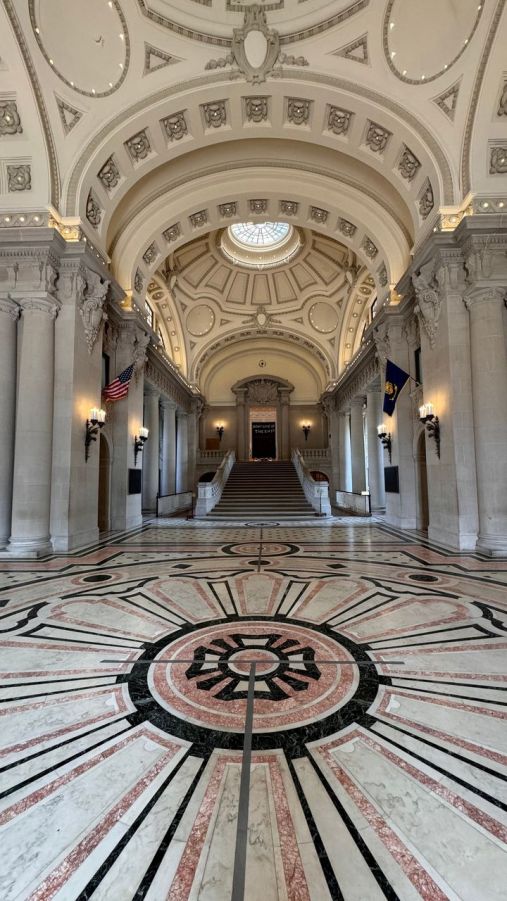
Last weekend we drove to Annapolis, which is about a 1.5-hour drive from our house. There you’ll find the Naval Academy – the U.S. Naval Academy (USNA). They train officers for the Marine Corps and officers for the U.S. Navy there.
Anyone with an ID is allowed on the grounds. They don’t photograph your documents or log them anywhere, but the area is certainly equipped with high-resolution cameras, so there’s no need for such measures. The territory includes educational buildings, dormitories, sports facilities, administrative buildings, historical monuments, and memorials. You can enter almost anywhere, and on Sundays in the summer, it’s almost deserted. You can wander around the floors of the educational buildings, see theses with formulas on the walls, almost all classrooms are open. No doubt the vigilant security is monitoring curious visitors through cameras, but still, the openness is quite striking. In total, we met at most a dozen other tourists, and this on a 137-hectare site. I don’t know whether few people know about it or everyone has already visited.
On one of the floors, for example, I found a pool for testing underwater robots. This pool, equipped with 40 surface and underwater motion capture cameras (Qualisys Oqus 7+), can pinpoint the position of the tested object 300 times a second. And there are many such laboratories there, I didn’t photograph everything (don’t know why). For instance, I discovered a planetarium in one of the rooms. A regular classroom door, and inside there’s a dome ceiling and a retractable robotic “head”.
In the courtyard, there was something happening that I jokingly called “yoga for sailors.” It was also worth recording, but somehow felt awkward to do so. On the field, a group of cadets in branded white sport suits sat in a precise grid, each with a bag and water beside them — all uniform, logos of the academy visible. The leader was shouting through a megaphone “two, three, four,” and after each count, the cadets responded “two sir! three sir! four sir!” and on each count, they synchronously did something, like jumping, or some kind of stretching. On the side stood three people with limited mobility, someone on crutches, someone in a cast, participating as best as they could.
And it’s still the summer, the campus is half-empty. Apparently, some kind of preparation for the main academic year.
The academy is waterfront, and understandably, there are many yachts around, including training ones. Sea wolves in training, so practice is essential.
Everything on the campus is impeccable. Despite the academy being state-run, every detail screams “this is a prestigious place where no expense is spared.” It’s interesting that getting into the USNA is not so straightforward.
Admission to the USNA is a complex and multi-layered process, involving several stages. Candidates must secure a nomination from a member of the U.S. Congress, the vice president, or the president. This stage involves writing essays, interviews, and extensive preparation. In addition to the standard application, it is necessary to provide SAT or ACT scores, academic grades, and recommendations. Additionally, candidates must pass a physical test (Candidate Fitness Assessment), which includes running, push-ups, pull-ups, and other exercises, plus a medical examination. In general, it’s a tough process that also involves members of the United States Congress. Fascinating.
I’m thinking of creating a next-generation palette. Somehow, these aren’t available for sale.
Here’s the issue. If you leave oil paints out in the air, by the next day they start to dry out, and after a few days, you have to throw them away. If it’s a thin layer, it dries up significantly; if squeezed out from a tube, a crust forms and you still end up throwing it away after a few days because mixing the crust with the normal paint inside is subpar.
To preserve them, there are special tubes where you can scrape off the paint and put it in the freezer. It’s tedious, I don’t do that. But there are special palettes with airtight lids. I believe only Masterson makes them, and I have one such palette. But even then, the paint dries out because there is a lot of space under the lid, and that’s enough. So essentially, if you take a break for a week — you might as well clean the entire palette and squeeze out new paint.
Well, the paint isn’t cheap either. One large tube of a single color costs about $25, and I have about 25 tubes of different colors. True, they’ve lasted me a year already, and they’re still going because I don’t apply them thickly with a palette knife. Obviously, the white paint runs out faster.
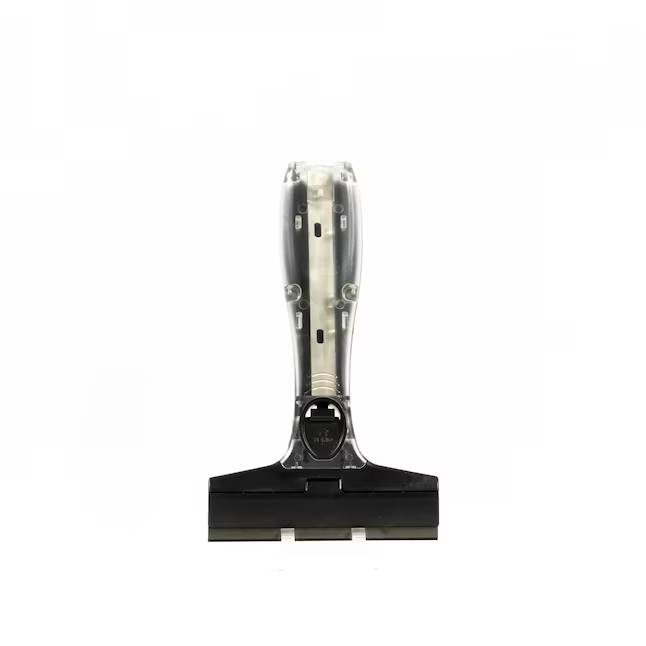
Additionally, the palette from Masterson is sold as just an empty plastic box, which is difficult to clean from dried paint. Any scraper would scratch the plastic. I insert a piece of glass in it, and under the glass, a sheet of gray paper. One piece of the right size glass sells for $36, but you could buy a picture frame and use the glass from it — which ends up three times cheaper. A scraper for glass works great – it cleanly removes even the most dried-up paint. It’s sold in hardware stores — practically eternal. And you need gray paper under the glass, which is sold everywhere.
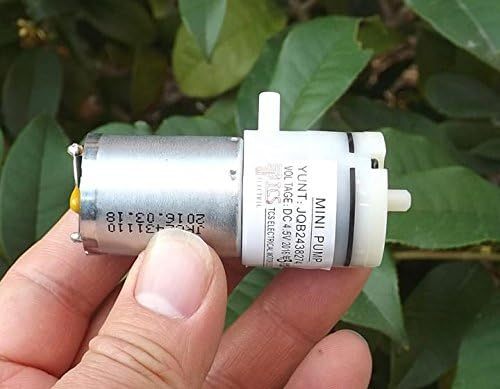
But back to drying. Here’s what I think – what if we could integrate a pump in the lid that sucks out the air? You press a button — and the air is evacuated, the lid presses even tighter, and it seems like then the paints could stay fresh practically forever.
An artist almost buys a palette once in a lifetime. What’s gonna break there, anyway? At least now there would be something to… no, but seriously, paying an extra $20-30 for such a “feature” wouldn’t be a problem at all. They could even sell the glass, scraper, and gray paper as a kit, so you wouldn’t have to buy all this separately, and in different stores.























 Hi, I'm Rauf Aliev.