Exploring Rural Russia Through Elena Zaprudskikh’s Art | June 13 2024, 16:04

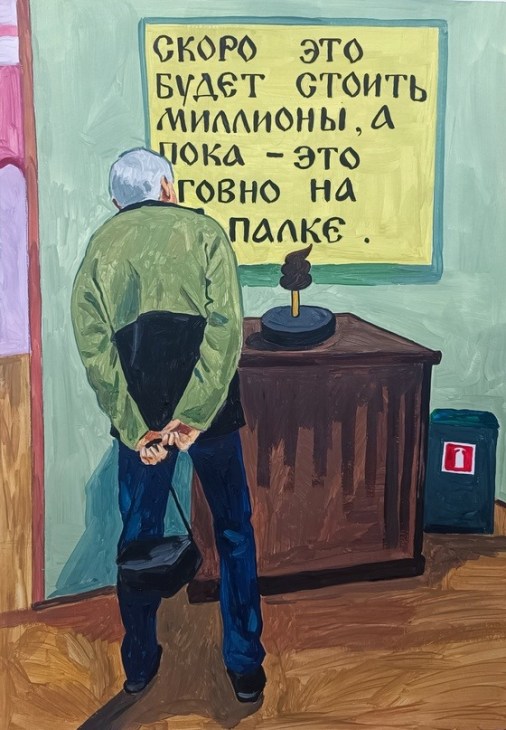
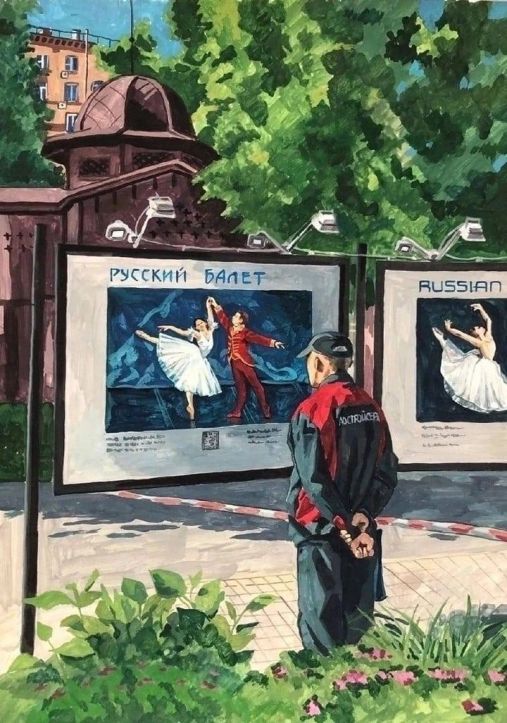
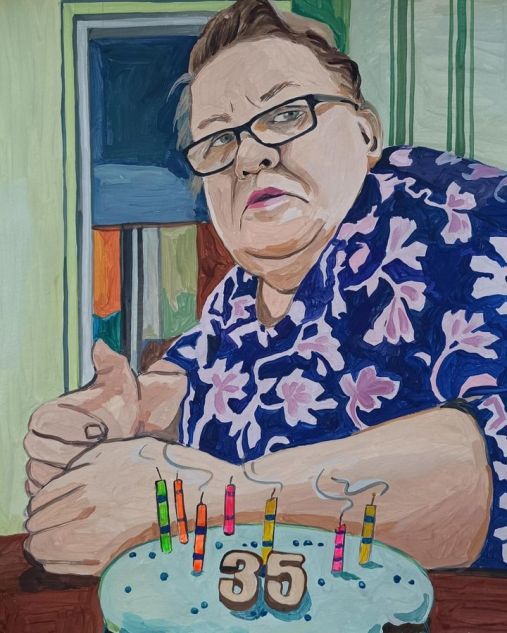
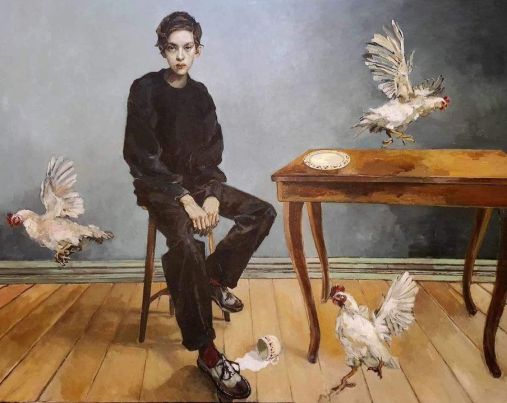
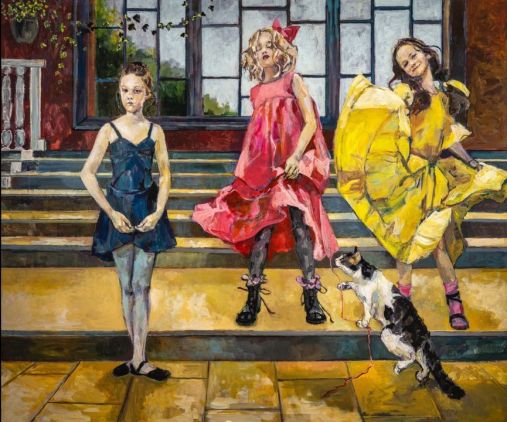
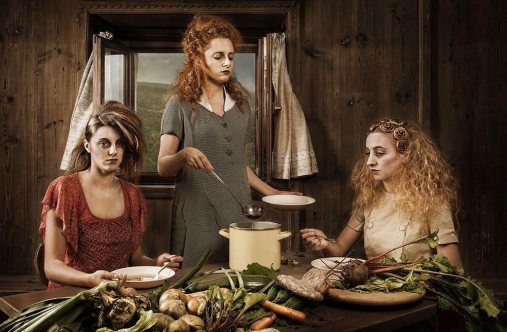
Elena Zaprudskikh is an artist whose works reflect the life of rural Russia. If there’s satire, it’s kind-hearted. Here’s the first painting with chefs called “I want Tom Yum.” Isn’t it wonderful? And the painting with a cake labeled “35” and the caption “When will you move out?!” is also wonderful.

Until recently, Elena worked as a flight attendant and traveled a lot across the country – to “God-forsaken towns,” where she nevertheless found expressive subjects for her paintings.

The artist’s works are a kind of journey across the vast country, where along the way you will definitely encounter a village shop with old accounts and Soviet scales, swans made from car tires near the entrances, a clothing market with cardboard cutouts for trying on trendy novelties, grandmothers in colorful robes guarding the order, and a kiosk named “Alcopolis” against the backdrop of a mural calling you to the discipl,” “& discipline,””& discipline,” discipline,””& calling you to the deceityour baptized by the vitalicus.”stars.

Isn’t it great when artists have a healthy sense of humor? Unfortunately, though, such humorists don’t last long in Russia. I wish Elena all the brightest and kindest!

Remember that similar posts are grouped under the hashtag #artrauflikes, and on beinginamerica.com in the “Art Rauf Likes section, there are all 81 (unlike Facebook, which forgets about almost half).

Gely Korzhev | June 12 2024, 15:36

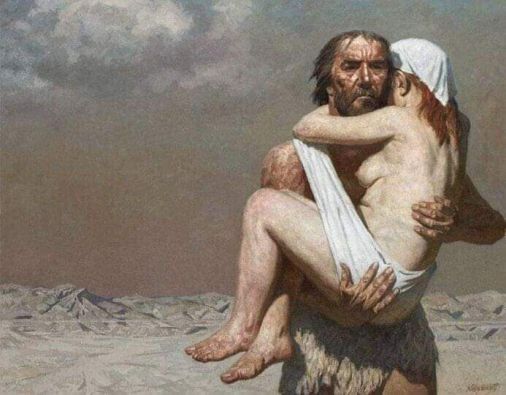
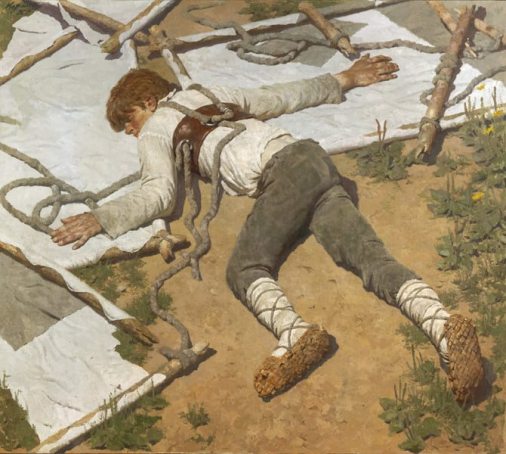
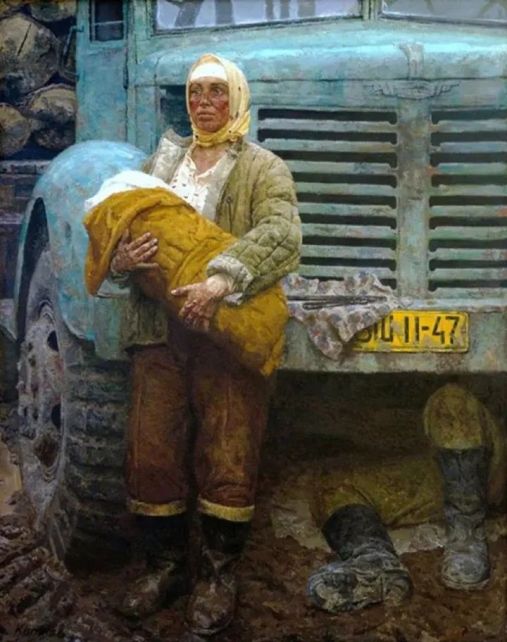
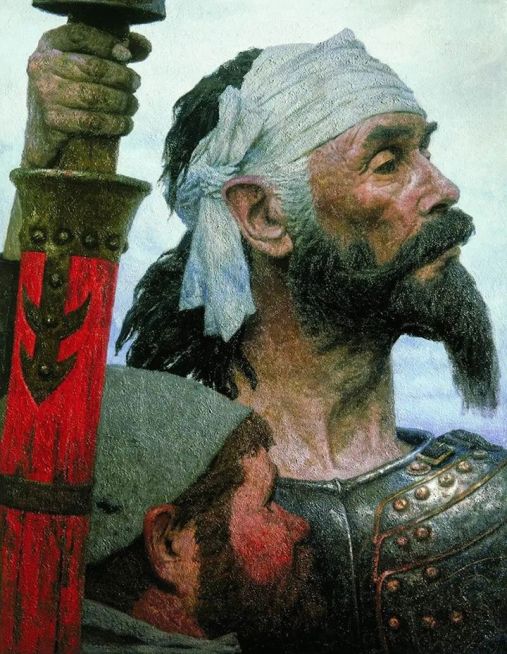
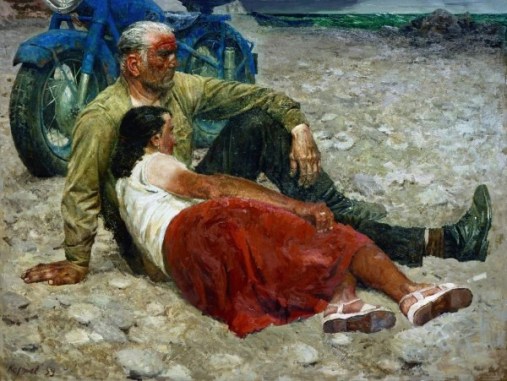
Soviet and Russian artist Gely Korzhev-Chuvelev (1925-2012). Powerful works depicting harsh realities and, unexpectedly, biblical themes. The paintings created by Gely Korzhev in 2012 were titled “The Last Hours on Earth and “The Victor. With these works, he concluded his creative and earthly journey.

(1) Deprived of Paradise. (2) Egorka the Flyer. (3) My Neighbor Across the Street. (4) Mutants (but someone recognizable). (5) Clouds 1945. (6) On the Road. (7) In the Days of War. (8) Washing. (9) Don Quixote. (10) The Banner Raiser. (11) Lovers. (12) Struggle. (13) The Last Hours on Earth (14) The Victor

Remember that similar posts are grouped under the hashtag #artrauflikes, and on beinginamerica.com in the “Art Rauf Likes section, there are all 81 (unlike Facebook, which forgets about almost half).
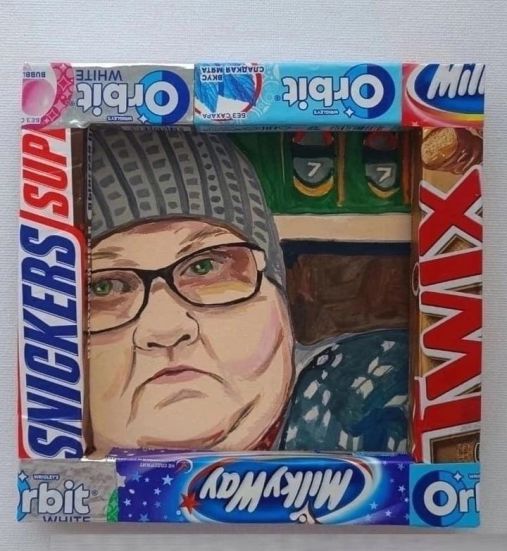
Unveiling Ingebjørg Frøydis Støyva | June 11 2024, 20:17

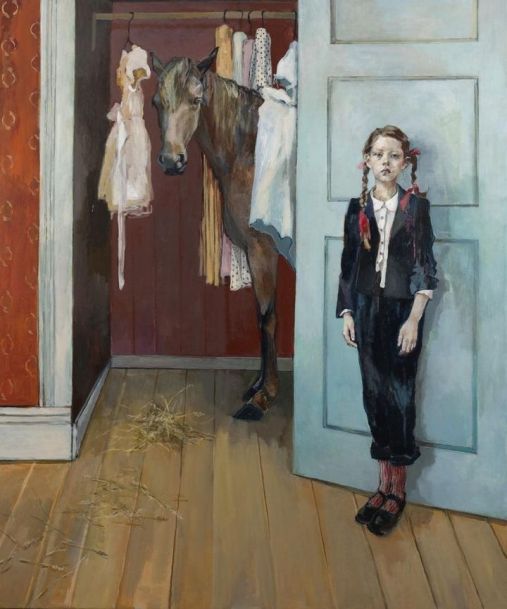
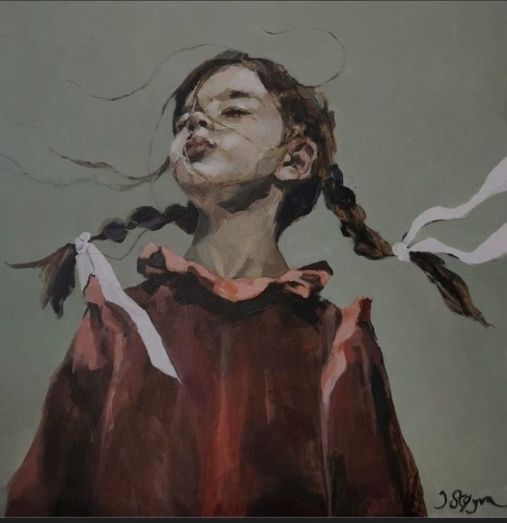
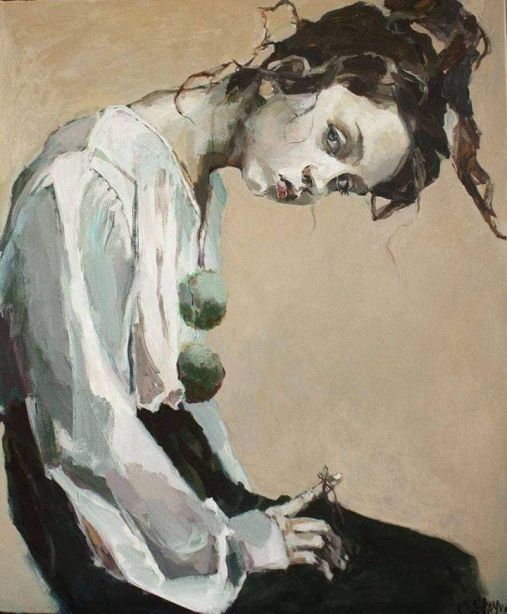
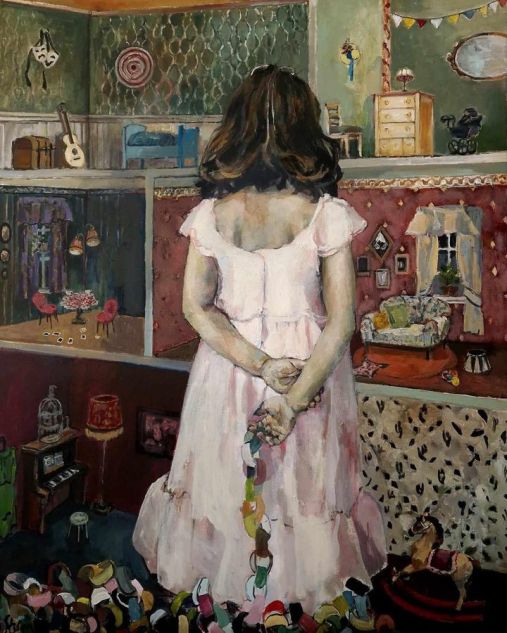
Today, let’s talk about the very interesting Norwegian artist Ingebjørg Frøydis Støyva (Ingebjørg Frøydis Støyva, 1978). The first painting with a horse in the closet is called ‘Can I keep him?’. Some people have skeletons in their closets, while others have a whole horse. I really love this artist. Generally, artists who embrace their quirks and create from that place are always fascinating.

Terry Miura | June 10 2024, 17:08

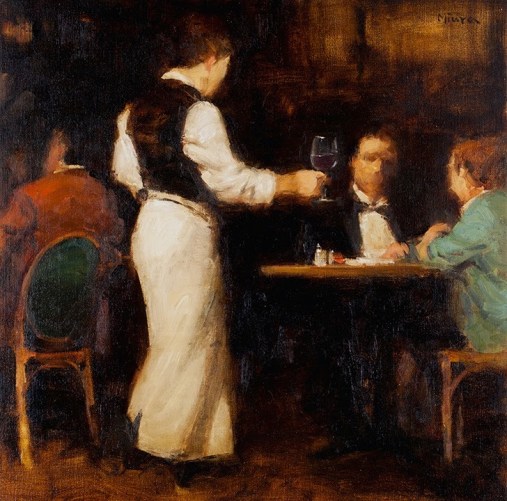
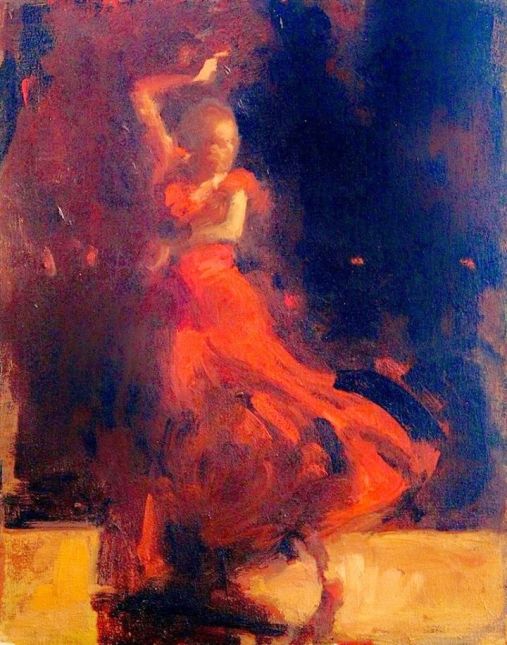
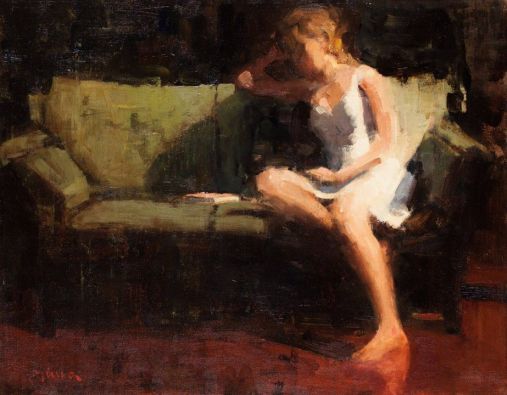
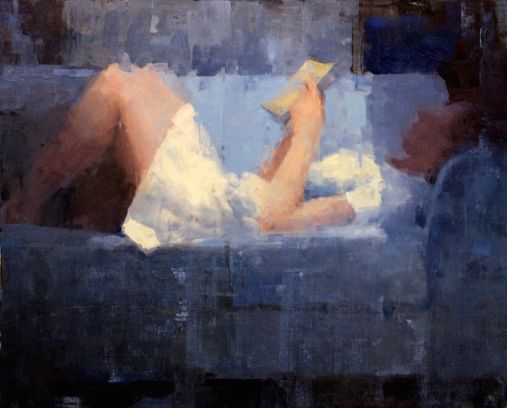
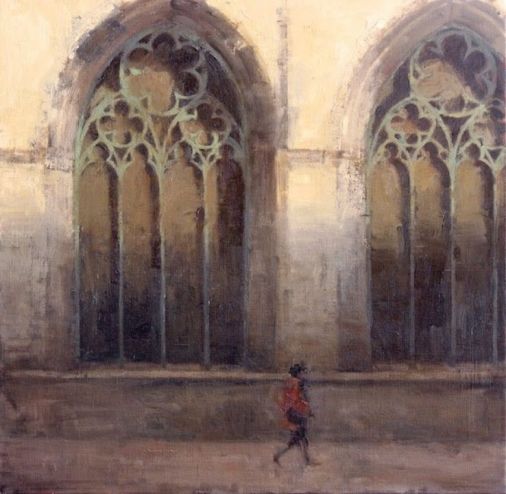
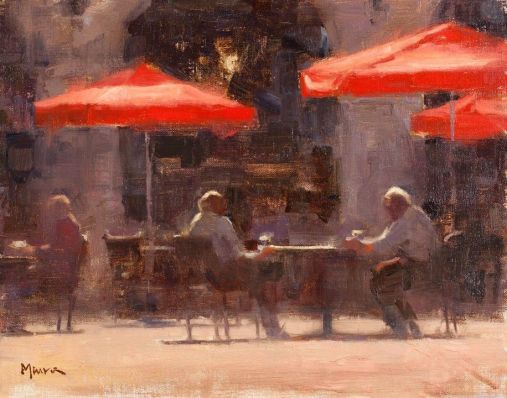
An intriguing artist, Terry Miura (born in 1964), originated from Japan and relocated to New York, where he pursued his education and furthered his artistic journey.

As I gaze upon his paintings, I am reminded of Richard Schmid’s assertion in his current book that nature contains no definitive lines. Thus, when translating visuals onto canvas, line-oriented thinking may prove counterproductive, even obstructive. It’s more useful to consider swathes of color. Another compelling concept he mentioned is prioritizing the observed over the known; should a conflict arise, depict what you see, for painting the known risks portraying an absence instead of presence—a fascinating notion indeed.

This perspective harks back to the ethos of earlier painters (and some of their modern counterparts): viewing objects more as people and items within a context than as visual constructs shaped by light necessitates painting based on known attributes—what other references could they rely on? Understandably, the more these early artists knew about their subjects, the more adept their renderings. Thus, depicting what was expected involved extensive study and memorization due to the sheer expanse of subjects. Naturally, this led to specialization: one might focus on animals, another on architecture, and a third on portraiture.

Even today, such artists (including many contemporaries) are often easily recognized as much for their thematic focus as for their stylistic and period distinctions.

I find this methodology compelling. It’s not novel, and Richard Schmid articulates it effectively. This becomes particularly evident when attempting to paint a modern car seen from a few meters away. It appears straightforward: four wheels, some curves. Yet, each car’s curves are unique, lacking clear rationale, and knowing the ‘anatomy’ of a Toyota RAV4 offers little aid in depicting, for example, a Chevrolet Corvette. Furthermore, proximity amplifies these curves’ perceptual distortions, potentially overwhelming the mind. It proves simpler to bypass sketching and commence with color patches and shapes, refining them subsequently.

Clearly, Terry Miura shares this perceptual framework. For him, there are no figures clad in red or white dresses; there are only patches. Compositionally effective and balanced patches are all that need to be accurately placed—and misplaced where not needed.

Note that related posts are consolidated under the hashtag #artrauflikes, and the “Art Rauf Likes” section on beinginamerica.com lists all 79 (unlike Facebook, which omits nearly half).

Julian Merrow Smith | June 09 2024, 15:02

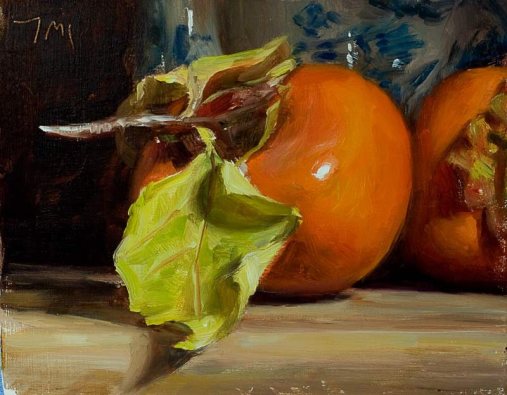
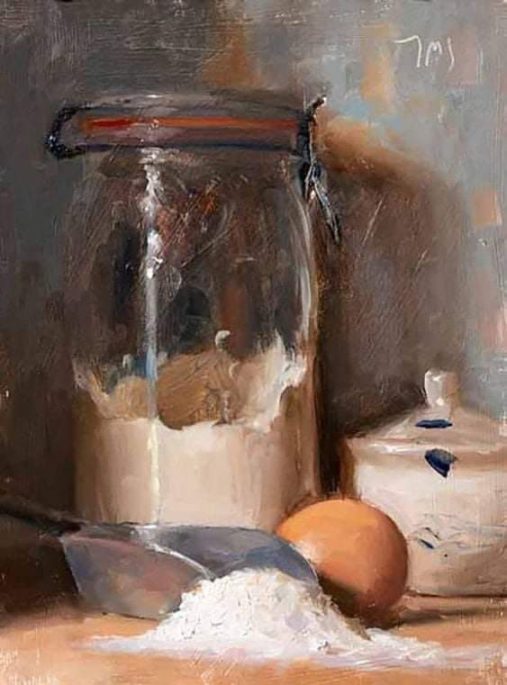
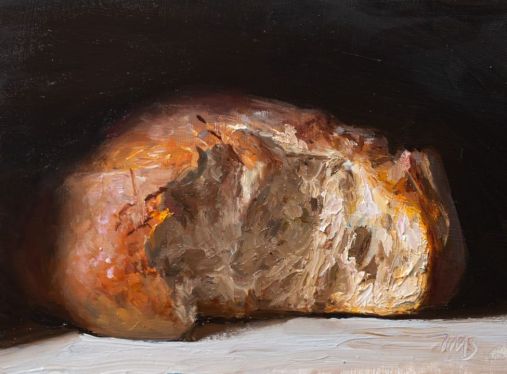
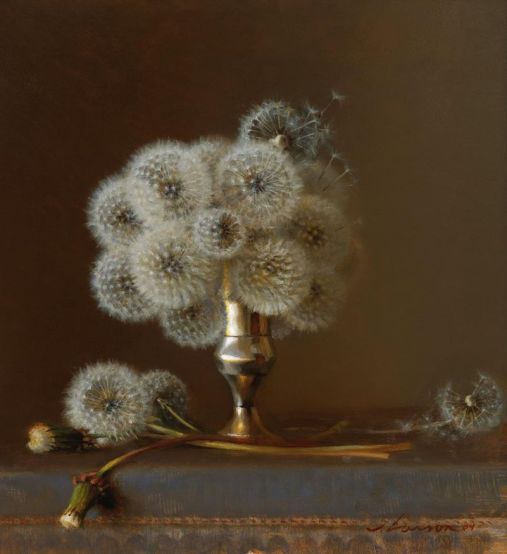
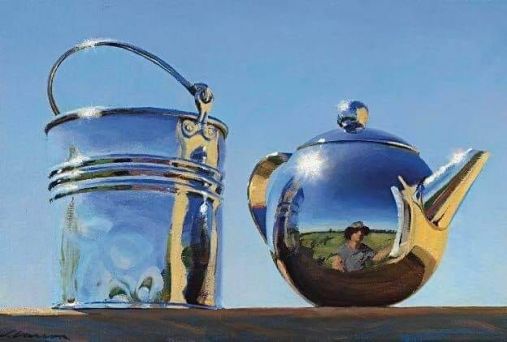
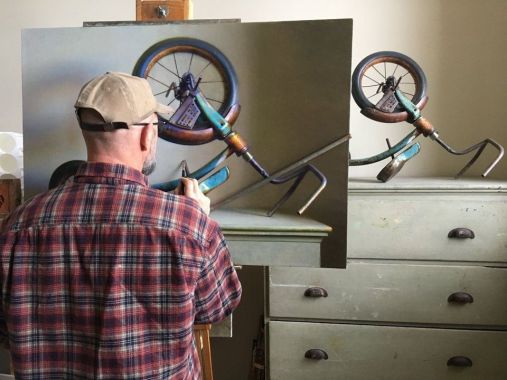
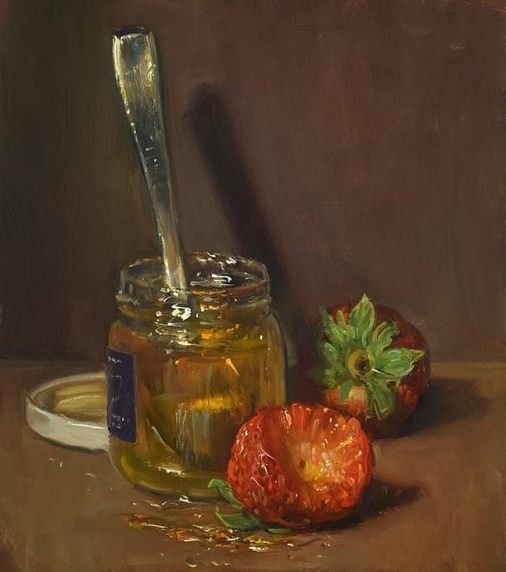
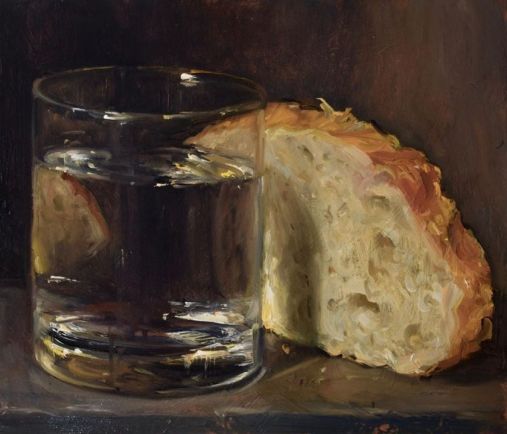
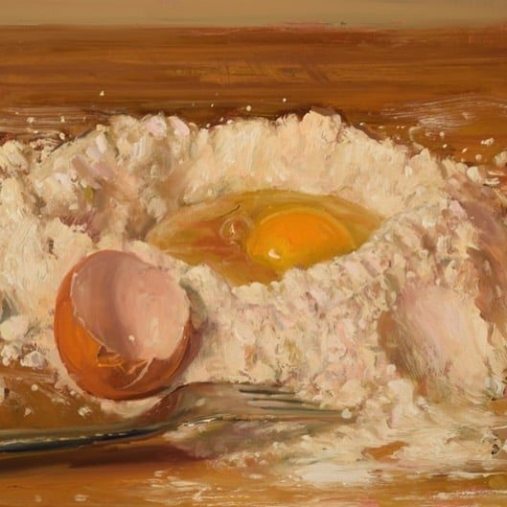
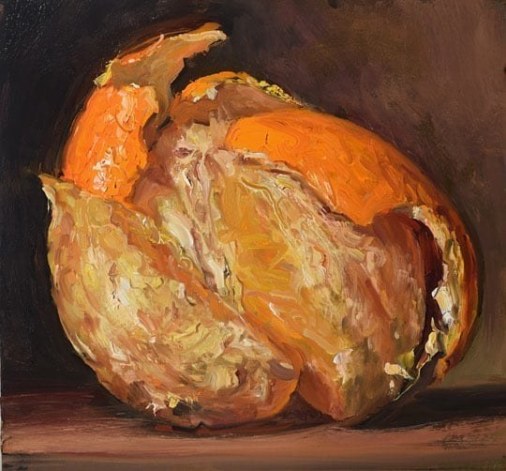
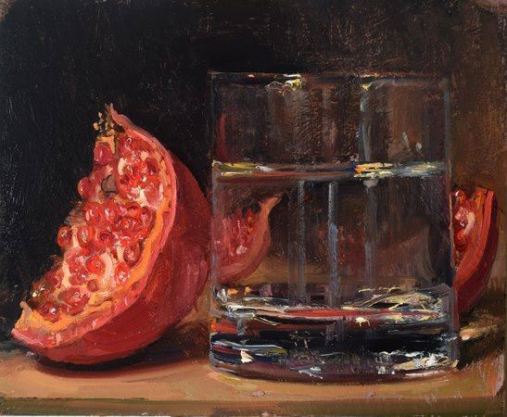
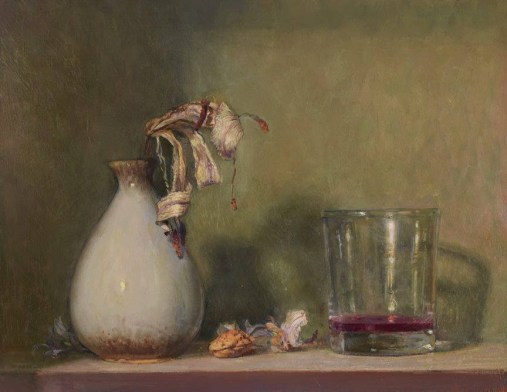
Another self-taught artist from Britain/France, Julian Merrow Smith, is known for his still life paintings. Most of his works are still lifes, but each one is a masterpiece. His use of color, composition, realism, and simplicity is exceptional. However, the realism is not achieved by meticulously placing fifty “pixels” per square millimeter. Upon closer inspection, all his works are relatively quick. And yes, after viewing his paintings, you will likely crave something juicy, sweet, ripe, and vibrant.

He has a website called Postcard from Province (shiftinglight) — just Google it. Currently, there are 3697 paintings posted there, one for each day since 2005. Remember I wrote about Duane Keiser? He should have patented “a painting a day.” This is exactly how one should hone their skills.

I remind you that similar posts are grouped under the hashtag #artrauflikes, and on beinginamerica.com, in the “Art Rauf Likes” section, you can find all 78 posts (unlike Facebook, which forgets (ignores) almost half of them).

Véronique du Boisrouvray | June 08 2024, 04:19

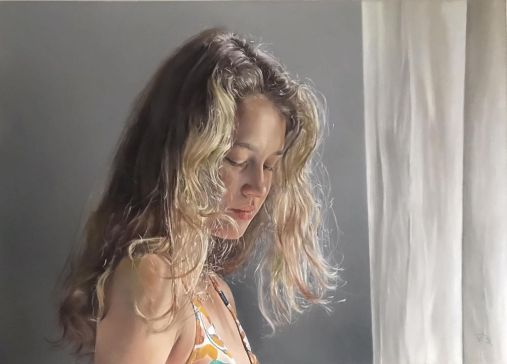
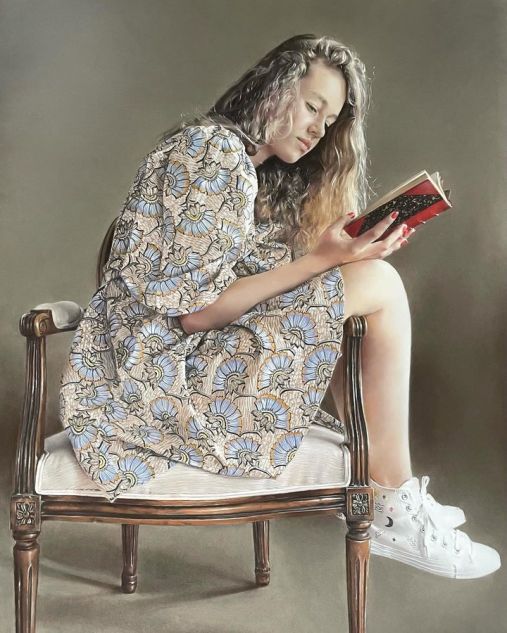
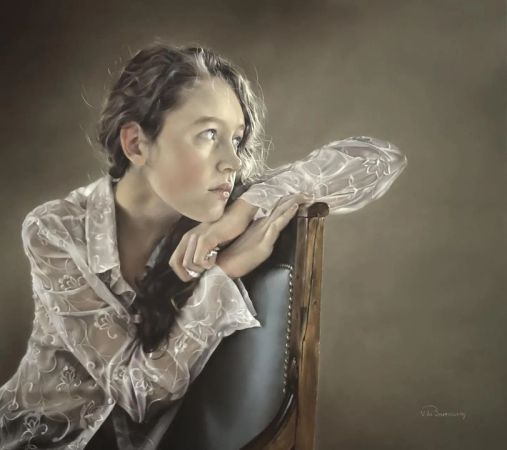
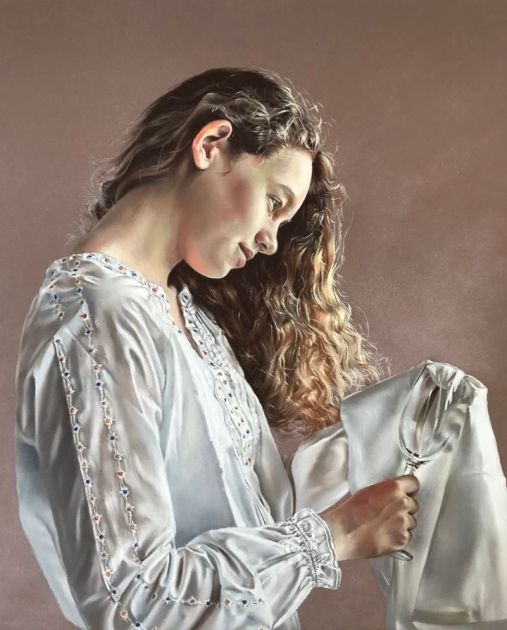
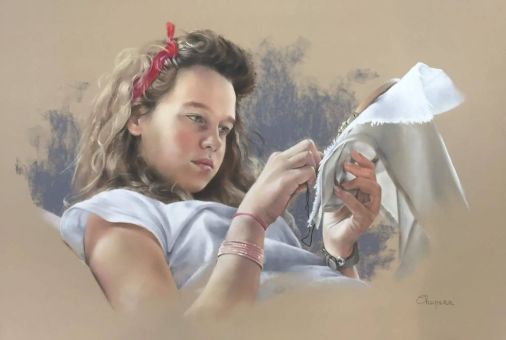
Today, I’m sharing the works of the unfortunately little-known Véronique du Boisrouvray, a self-taught French artist who discovered pastels and the talent to create such masterpieces.

On one hand, the meticulous and precise transfer of an image from a photo to paper in any medium, in my value system, belongs to a separate category from drawing from life or imagination. But within this separate category, for me, there are those who amaze and all the rest.

I’m still learning, but I’ve made some conclusions about drawing from photos, and honestly, they were quite a revelation. Not every good photograph, as they say, “translates to canvas,” especially if you’re not yet skilled enough to mentally apply the necessary “filters” on the fly. In photos, we don’t pay attention to contrast, but for an artist, it’s important. So, a photo with clear contrast works better. A photograph, by definition, has a narrower dynamic range than our eyes, and both dark and light areas will lack detail. When details are missing, the brain fills them in. But in a painting, this mental filling-in may not occur for various reasons: the painting is larger, more detached from the real world, etc. And for that filling-in

Therefore, for professional artists, photography is an additional, not a primary reference. And most importantly, a camera captures everything at once, whereas human eyes in the real world only focus on a very small part of the image, and everything else is like a blur. A photo artist uses bokeh for the same purpose, something modern phones can’t handle well due to the laws of physics: the lens needs to be larger.

Well, let’s go look at the paintings of Véronique du Boisrouvray.

I remind you that similar posts are grouped under the tag #artrauflikes, and on beinginamerica.com in the “Art Rauf Likes” section, you can find all 76 (unlike Facebook, which neglects almost half).

Andrea Kowch | June 05 2024, 12:24

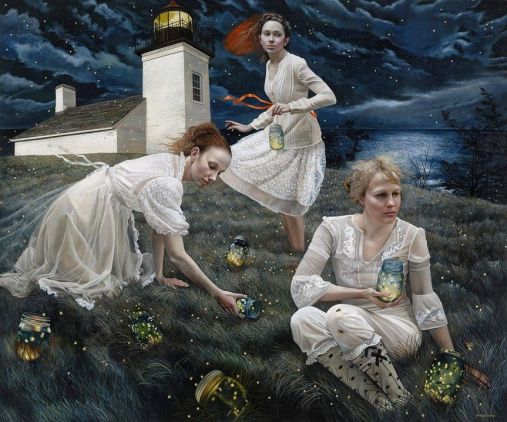
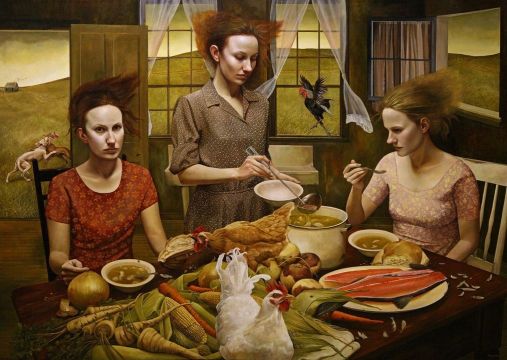
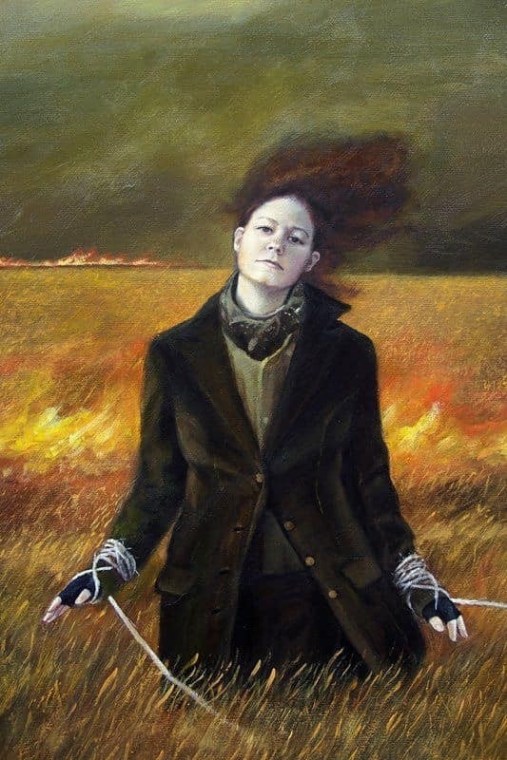
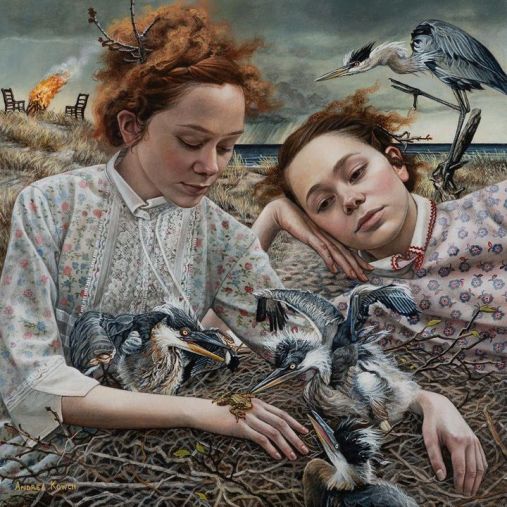
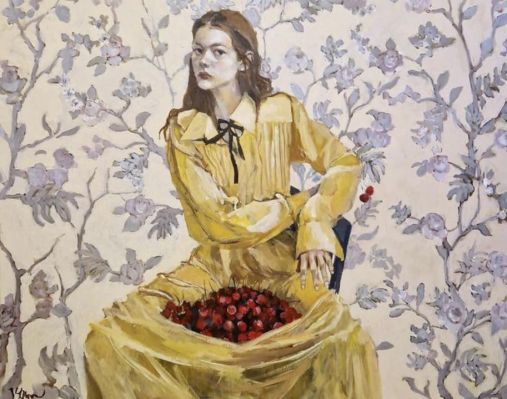
(ENG) This artist, Andrea Kowch, has long been on my list for this series, yet each time something delayed it. Her works, on my beauty scale, ascend into an extra dimension, for it’s insufficient to merely call them beautiful, yet their artistry is undeniable. Furthermore, it’s hard to tear one’s gaze away, isn’t it? The everyday triteness of village life is transformed into a scene from some magical realism novel. Undoubtedly, Kowch has a rich imagination and the artistic mastery to realize it. Her technique and detailed approach are impressive. And indeed, we’ve been short of surrealists for some time. For an artist, being a bit “cuckoo” is arguably beneficial to the profession, at least while stationed before the canvas.

Kowch’s painting style might well be described as a “dark fairy tale,” as both elements pervade her canvases; dark, somber, almost gothic moods interspersed with fairy tale and narrative components.

The models for all of Kowch’s paintings are her friends. It seems some friends have become professional models, which is why faces often recur, even within the same piece. But this only adds to the mystery and allure.

A reminder that similar posts are grouped under the tag #artrauflikes, and on beinginamerica.com in the “Art Rauf Likes” section, you can find all 76 (unlike Facebook, which forgets about nearly half).
(/ENG)

Jeffrey Larson | June 03 2024, 03:21

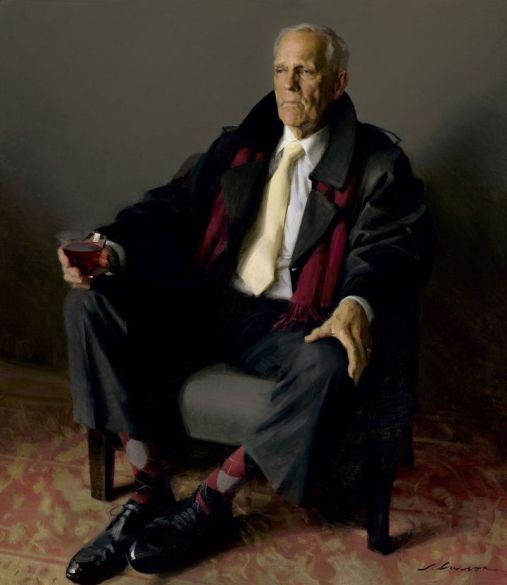
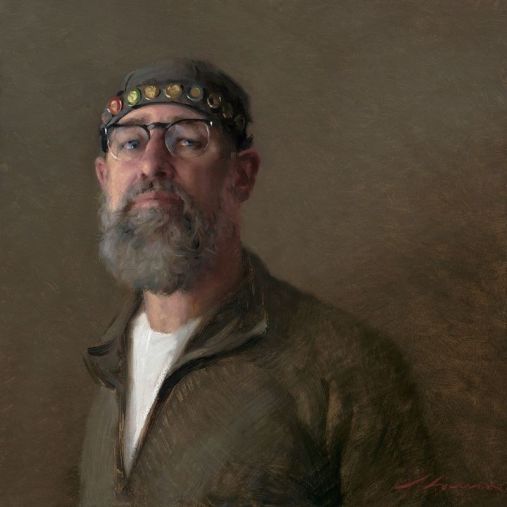
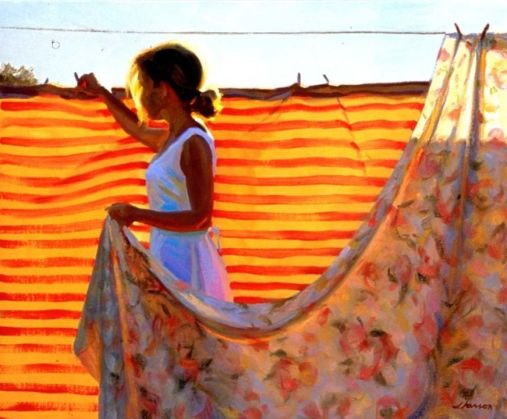
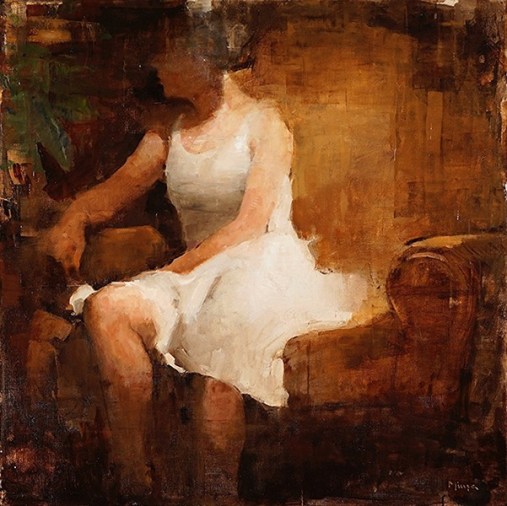
Today, I suggest we get acquainted with another inspiring artist—American painter Jeffrey Larson. Sheer perfection! He has a large series of works featuring the sun, a girl, and laundry being hung. There’s a large series of still lifes. And portraits. And all of this is at the highest level.

I remind you that similar posts are grouped under the tag #artrauflikes, and on beinginamerica.com in the “Art Rauf Likes section, you can find all 75 (as of now) posts (unlike Facebook, which forgets (ignores) almost half of them).
Duane Keiser | June 01 2024, 17:12

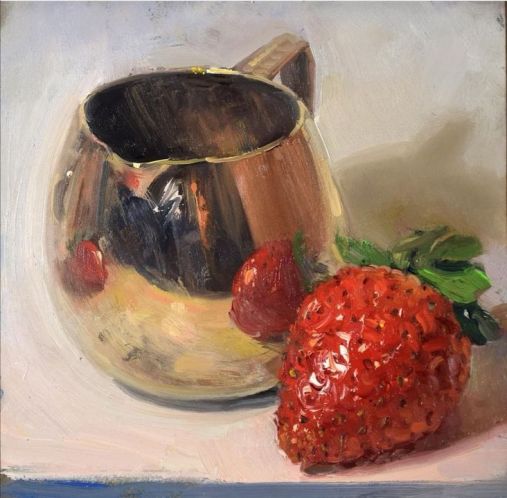
Duane Keiser is a contemporary American musician and artist, an assistant professor at the University of Richmond in Virginia. Duane created the “painting a day” trend. Every day he paints one postcard-sized painting and posts them on his website, where collectors can bid. Bidding starts at $100 and varies up to $1500.

“When I started painting in 2004, I did one painting a day for a year and a half. I wanted to create a ritual for myself—to finish a painting in one day without any excuses.”

It’s a great principle, by the way, applicable in any field. The second great principle is to share knowledge with others (which is why I started this blog). You can’t follow it unless you love what you do, and once you start following it, you can’t help but develop at the maximum possible pace. In the case of “a masterpiece every day,” you raise the bar for yourself so much that it’s just embarrassing to post something worse than what you posted before. And so it doesn’t turn out worse. Partly because so many hours of practice contribute to quality on their own. It’s partly the same when you regularly write articles for a blog—the “bar” rises, and so do the standards you set for yourself. But something else kicks in: you simply can’t leave things unfinished. If you need to talk about X, you will dig into everything around X to ensure there are no gaps in your understanding. This helped me a lot to master topics well.
I remind you that similar posts are grouped under the tag #artrauflikes, and on beinginamerica.com in the “Art Rauf Likes section, you can find all 73 (as of now) posts (unlike Facebook, which forgets (ignores) almost half of them).

Thomas Wells Schaller | May 31 2024, 22:27

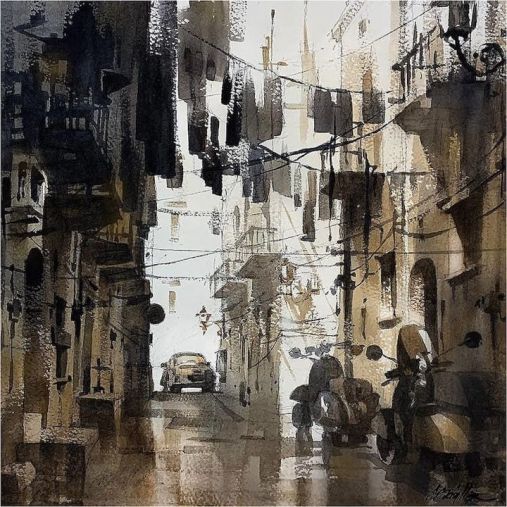
American architect and watercolor artist Thomas Wells Schaller. Magical works. Watercolor masters never cease to amaze me!

I remind you that similar posts are grouped under the tag #artrauflikes, and on beinginamerica.com in the “Art Rauf Likes section, you can find all 73 (as of now) posts (unlike Facebook, which forgets (ignores) almost half of them).