Yummi | July 26 2024, 23:40

I once shared how convenient it is to cook soup with a pressure cooker — ten minutes to chop potatoes, carrots, and onions, throw in the meat, add water, press the button and it’s ready in an hour.

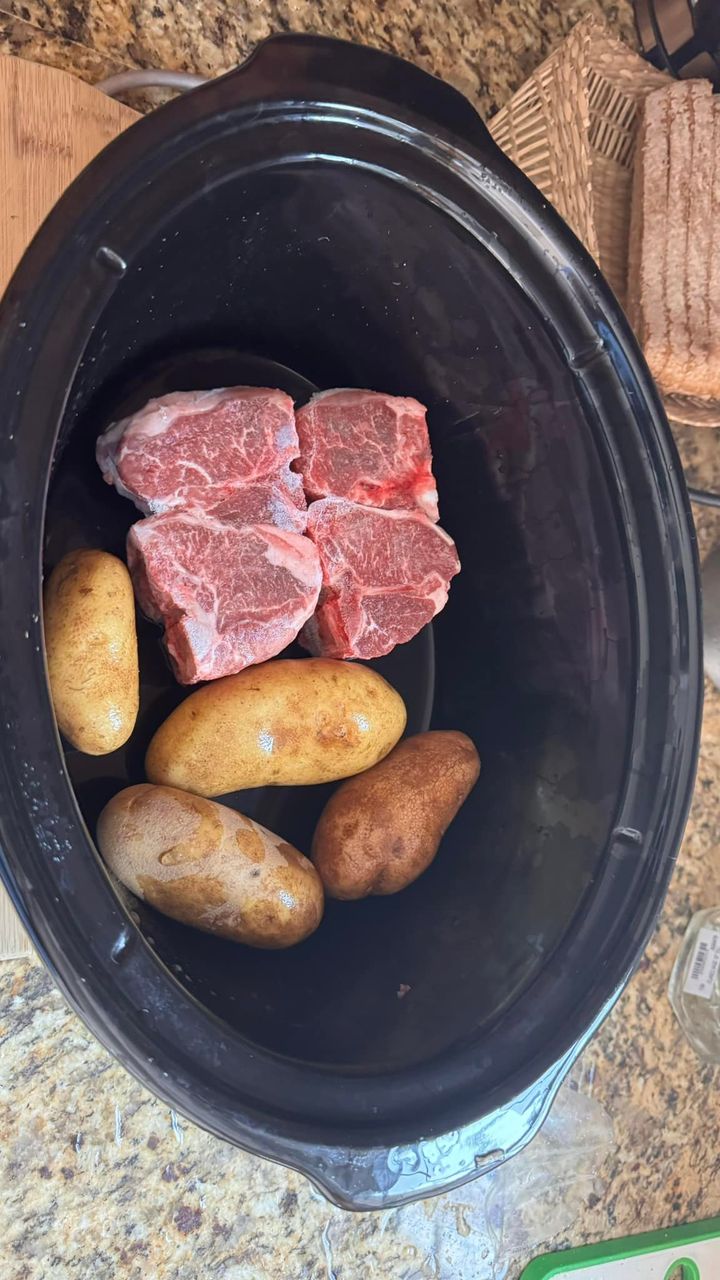
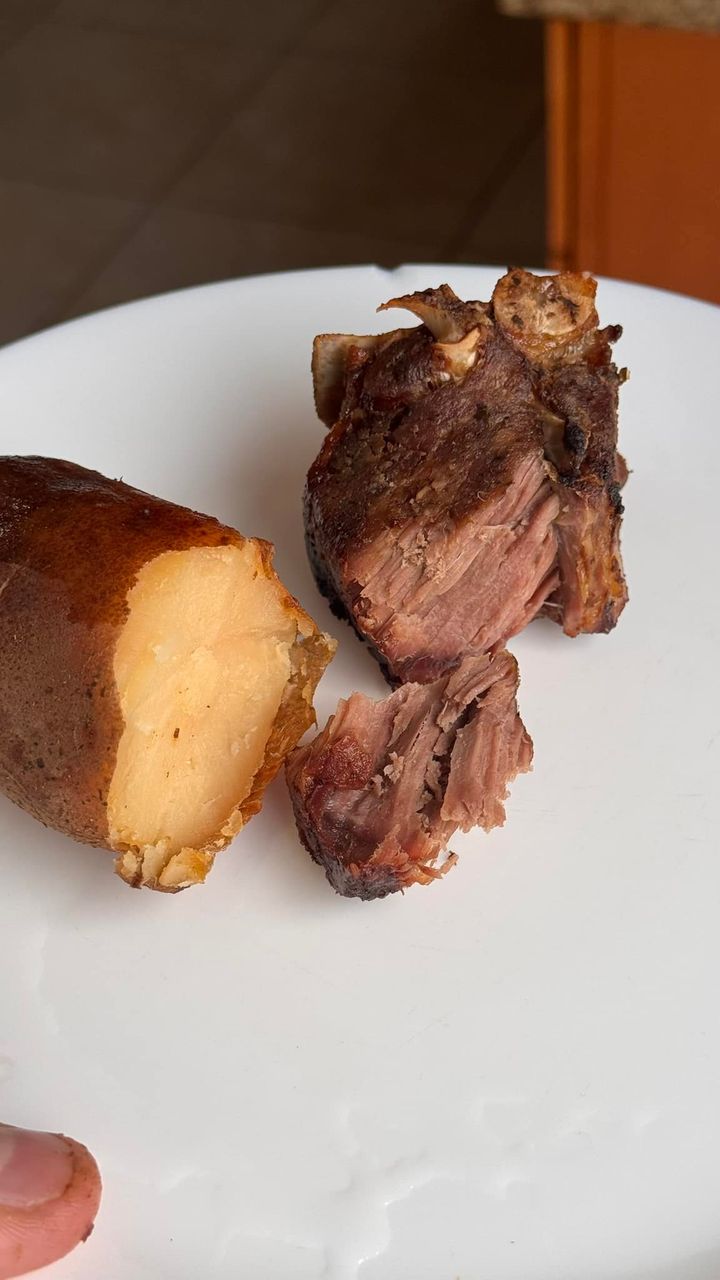
I pulled out the slow cooker from the garage — cooking with it is even simpler (and the food turns out very, very delicious). Just throw meat and potatoes into an empty pot. Ideally, of course, wash them first. And that’s it. Press the button and after a few hours, you get very tasty, very tender meat with real baked potatoes. Just today, I slightly overdid it (seven hours, of which four were on high, which is admittedly too much). Still very tasty, but it could have been a tad better, something for next time. Ribs, in particular, turn out great only this way. They are fatty and need to be cooked long.

Innovating the Artist’s Palette | July 18 2024, 12:17

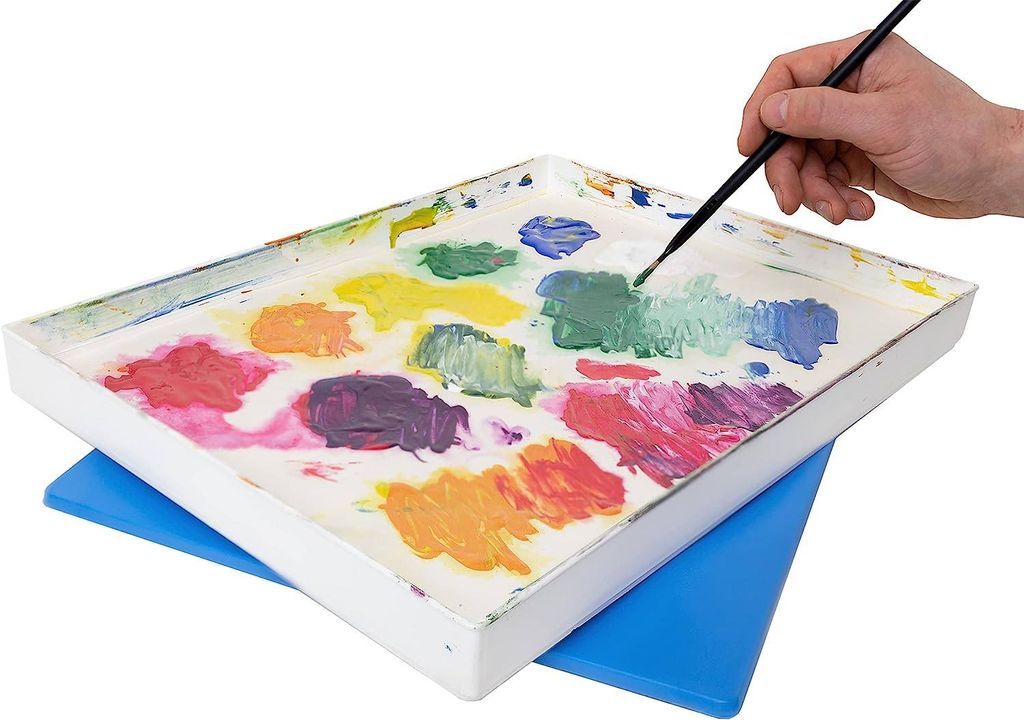
I’m thinking of creating a next-generation palette. Somehow, these aren’t available for sale.

Here’s the issue. If you leave oil paints out in the air, by the next day they start to dry out, and after a few days, you have to throw them away. If it’s a thin layer, it dries up significantly; if squeezed out from a tube, a crust forms and you still end up throwing it away after a few days because mixing the crust with the normal paint inside is subpar.

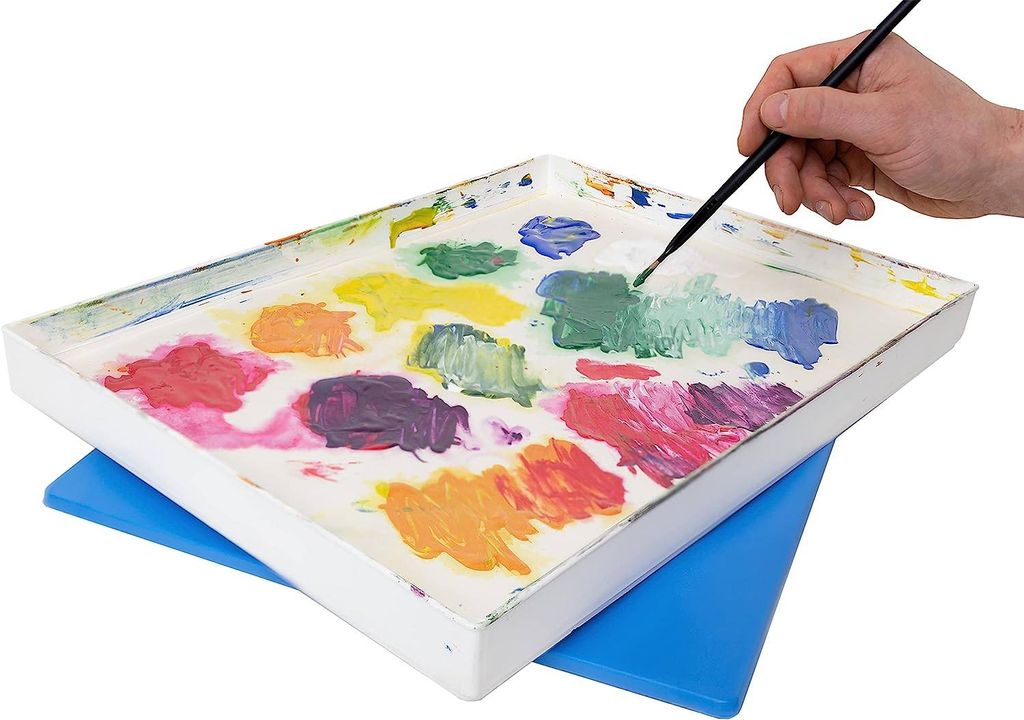
To preserve them, there are special tubes where you can scrape off the paint and put it in the freezer. It’s tedious, I don’t do that. But there are special palettes with airtight lids. I believe only Masterson makes them, and I have one such palette. But even then, the paint dries out because there is a lot of space under the lid, and that’s enough. So essentially, if you take a break for a week — you might as well clean the entire palette and squeeze out new paint.

Well, the paint isn’t cheap either. One large tube of a single color costs about $25, and I have about 25 tubes of different colors. True, they’ve lasted me a year already, and they’re still going because I don’t apply them thickly with a palette knife. Obviously, the white paint runs out faster.

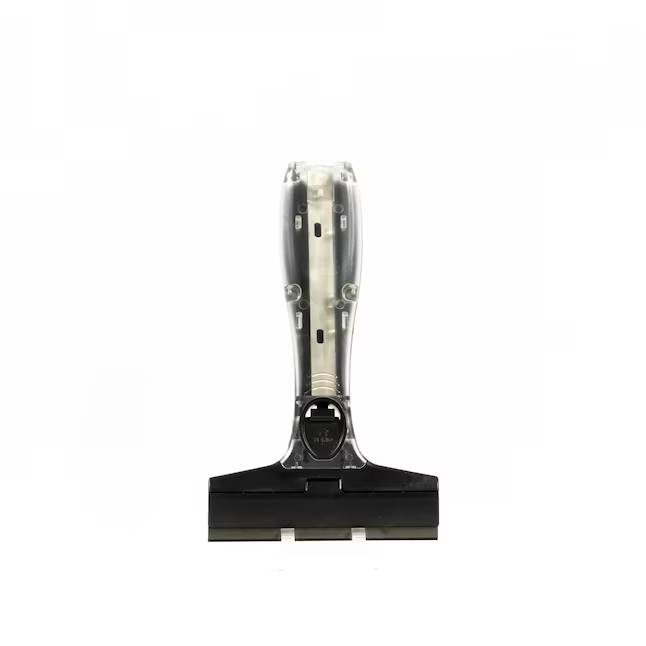
Additionally, the palette from Masterson is sold as just an empty plastic box, which is difficult to clean from dried paint. Any scraper would scratch the plastic. I insert a piece of glass in it, and under the glass, a sheet of gray paper. One piece of the right size glass sells for $36, but you could buy a picture frame and use the glass from it — which ends up three times cheaper. A scraper for glass works great – it cleanly removes even the most dried-up paint. It’s sold in hardware stores — practically eternal. And you need gray paper under the glass, which is sold everywhere.

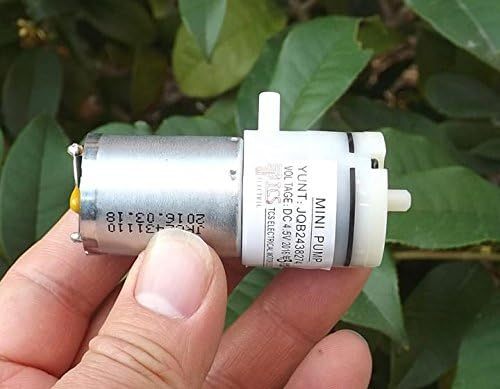
But back to drying. Here’s what I think – what if we could integrate a pump in the lid that sucks out the air? You press a button — and the air is evacuated, the lid presses even tighter, and it seems like then the paints could stay fresh practically forever.

An artist almost buys a palette once in a lifetime. What’s gonna break there, anyway? At least now there would be something to… no, but seriously, paying an extra $20-30 for such a “feature” wouldn’t be a problem at all. They could even sell the glass, scraper, and gray paper as a kit, so you wouldn’t have to buy all this separately, and in different stores.

Ordered a pump for $9, let’s give it a try.

Soundlazer | July 14 2024, 23:16

Sometimes, in museums, you can find some very interesting exhibits. Here’s one lying on the floor at the Schwarzenberský palác museum in Prague. I snapped a photo right away, and did a bit of research upon returning home.

This device is a product of Soundlazer, a company that launched on Kickstarter back in 2012 by Richard Haberkern. The device is a speaker that focuses an audio “beam” in a special way. As you can see in the picture, it consists of an array of tiny speakers, each of which is ultrasonic, meaning they emit sound beyond the audio spectrum audible to us. These ultrasonic waves interfere with each other, and as a result, we hear sound within the audible spectrum. Interestingly, you can create this interference at a certain spot in space, so that only there will the input to this device be clearly audible. In practice, this means you hear sound only in specific spots in a room where the device is directed. And if you reflect the sound off the walls… it can well be used to effectively voice hauntings, because the sound seems to come “out of nowhere” 🙂 Or in a museum, it could make a guide that speaks about a sculpture only to a person standing in front of it, while someone only a meter away hears almost nothing. I haven’t tested, but I suspect there must be some high-frequency whistling sound. Does anyone know?

It’s particularly intriguing that such a device can be assembled at home for just a few tens of dollars. It’s really very simple in its minimal form. However, if you think about buying it – I have disappointing news: Soundlazer has long been closed, and a company called Audio Spotlight by Holosonics sells their devices at very high prices, starting at $500. Devices from Ultrasonic-Audio are also quite expensive. VideoTel’s HSS 3000 speakers cost $1275. There are also good solutions from Brown Innovations. But all these are very costly.

Soundlazer was cheap and, interestingly, open source. Although, as we see in the picture, it also used cheap piezoelectric elements to generate sound at frequencies of 40-45 kHz, which probably compromised the sound quality. But it should have been suitable for museums! And interestingly, there is no direct replacement. The cost of a Soundlazer kit ranged from $170 to $200! According to videos, the sound quality was pretty good.

I’ll post a link to the video in the comments.

Biking over the bridge | July 14 2024, 13:48

Yesterday we rode our bikes along a trail in Temple Hills, MD. Surprisingly, even in 2024, racial contrasts are still preserved in neighborhoods that are generally quite prosperous. People prefer to live in areas where their neighbors resemble them in culture and skin color, which makes sense. But the figures astounded me. According to the Census, there are only 2% White; the remaining 98% is divided among Black/African Americans (82%) and predominantly Hispanic (13%). Along the trail, we came across a great sports complex with a skating rink and plenty of courts in perfect condition, featuring free outdoor yoga and the like. However, during the two hours, we only encountered two other cyclists, and probably needless to mention, we were the only white people among everyone we ran into at all. Still, the area has no wealthy homes, but everything is neat and (at least during the day) very safe and peaceful.

Interestingly, I noticed that many people in the 95-degree heat were walking around in autumn jackets and jeans. This correlated quite well with my recent photo about autumn (though sadly, nobody passed by when I was shooting). I did a bit of Googling, and it seems, at least for Mexicans, this is normal. Clearly, shorts are not even considered (culturally; shorts equal low status), but apparently wearing T-shirts isn’t common either. Plus, they protect their skin from the sun as best they can (the reasons are unclear to me; they mention cancer risk, but darn it, for dark skin…).

Across the bridge is Alexandria, where the percentage of the Black population is 20% (In my city, in Leesburg, it’s even half that, 10%, but it’s still a 40-minute drive west from there).

Reykjavik, Prague, Dresden: Some Reflections | July 06 2024, 17:47

Some quick thoughts after visiting Reykjavik, Europe, Czech Republic, and Germany.

Reykjavik is very stylish and expensive. Very stylish. Very tasty food. But expensive. For instance, a round trip from the airport to the capital and back cannot cost less than 52 bucks per person, and a taxi or a rental car starts to become cheaper than the bus only if there are four of you.

In Czech Republic and Germany:

Very tasty. Everything. From desserts to breakfasts and dinners. Even in small diners and even in the old town with tourists (one exception – we foolishly had breakfast at the main square in Prague. It was not tasty). I was in Dresden’s McDonalds, and it was delicious there too!

About tasty food: In the USA, it’s only tasty occasionally, and you need to know the places above a “three” on a five-point scale. In Europe, you need to know the places above a “four”. Places below a “four” are harder to find, especially when it comes to desserts… Mmm…

The mirror on the car was surprising. After the USA, the left mirror really “strains the eyes”. Whether it’s flat in the EU and convex in the US, or the other way around, but it’s really uncomfortable, the brain is accustomed to something else.

I was surprised by the Toyota Yaris hybrid, which over three days of driving from Prague to Dresden and back through villages used up only half a tank. 4l/100 km. In the USA, my car used at least twice as much. Hybrid turned out to be convenient, but it’s still weird that when you start the car, it makes no sound. At first, my reaction was “damn, the battery’s dead,” whenever that happened (every time).

It was surprising that in Prague, a large number of people, mainly the service staff, speak Russian or Ukrainian. We were understood at the reception desk, by waiters in cafes, by taxi drivers, in stores. Even now at the boarding gate at the airport. And at check-in. Literally everywhere. Familiar words can be heard in the crowd almost every minute. At the bus station, half of the 15 windows were decorated with names of Ukrainian cities. High demand.

And of course, I really missed fountains and free restrooms. You get used to quickly finding these in the US. Of course, it’s understandable why, and you should probably compare Prague to NY, where things are probably not that great either.

Crowds in the center of Prague. I came from my small town where there are neither traffic jams nor parking issues.

Prague seemed like a city where the authorities have allowed almost anything that brings money to the economy. All these stores with green leaves, beer to go, small businesses every meter.

Glass | July 05 2024, 07:04

I take out my camera twice a year when I travel away from my home sweet home. For this trip, I also purchased a flash and a lens. Probably, the cafes in Prague are used to tourists hopping around artifacts with cameras. Well, at least, I’ll shoot dozens of references for future oil paintings.

(“Living Nature” will follow later, I’ll need to sort through tons of photos)

They said it was a bug | July 04 2024, 09:08

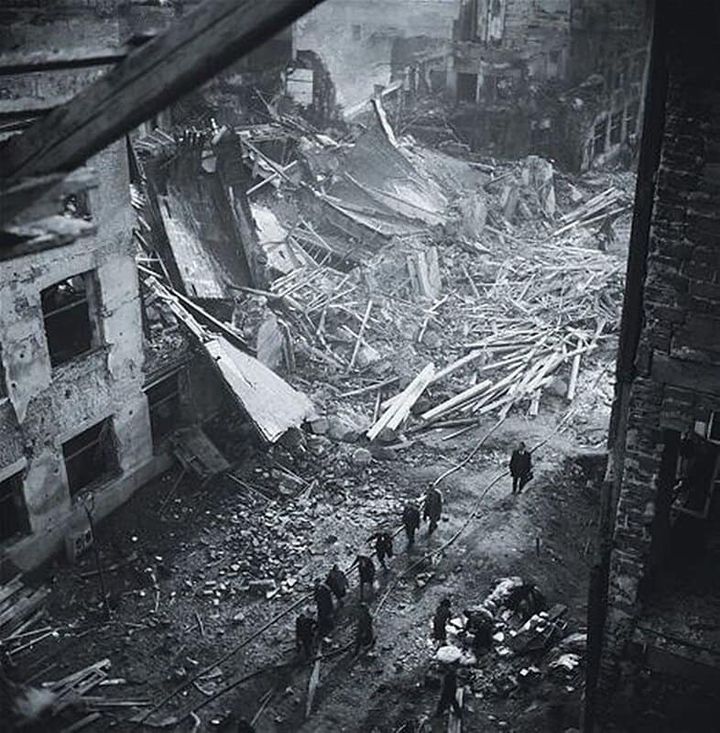
It turned out that Prague was bombed at the end of World War II by mistake. Just a glitch. There was a rounding error in the navigation or something of the sort. 62 B17 aircraft, each loaded with sixteen 500-pound bombs, got lost over Prague. More than 50 tons of explosives were dropped on the populated areas of Prague. The explosions covered Radlice, Vyšehrad, Zlíchov, Charles Square, Nusle, Vinohrady, Vršovice, and Pankrác. 701 people died, 1,184 were injured, and 11,000 Praguers suddenly found themselves without a roof over their heads. The raid did not damage factories or military strategic targets. War is like that, chaotic.

Cats in Art | July 04 2024, 06:45

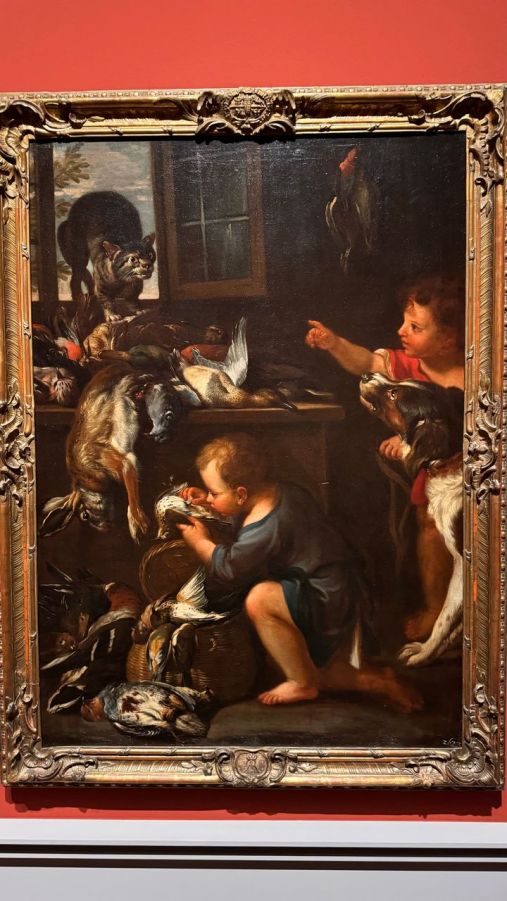
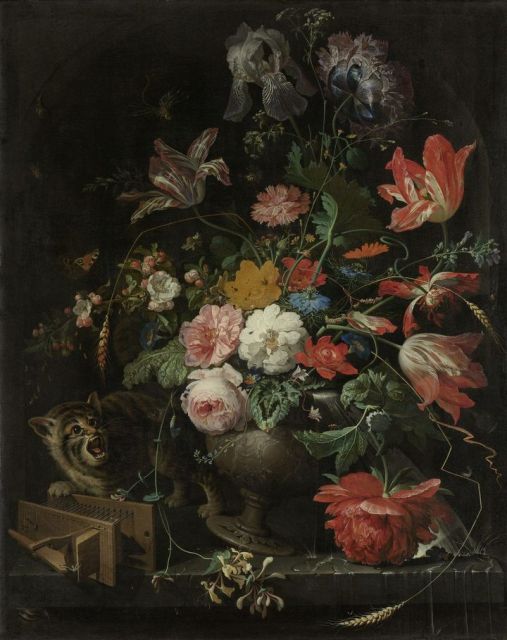
I noticed in the museum that earlier artists for some reason had trouble with drawing cats. There were constant blunders with the anatomy. With dogs, things were more or less okay, swans and other game they painted very accurately (well, because you can spread it out on the table for a whole day), but a cat, obviously, won’t stay still on a table for long, and it seems they drew them “from imagination.” And their imagination, it seems, was based on medieval depictions of cats, where there was complete chaos — cats were portrayed almost with human faces, with eyebrows and expressions.

At the same time, there were some really good examples from the 19th century — for instance, google the cats by Henriëtte Ronner-Knip.

Boselli Felice, Nature Morte avec chat, chien, et deux garçonnets

George Catlin, Le Chat d’Ostende (1868)

Abraham Mignon, The Overturned Bouquet (1660–79)

Hidden Berlin Wall Remnants at Orlando’s Hard Rock Cafe | June 26 2024, 18:28

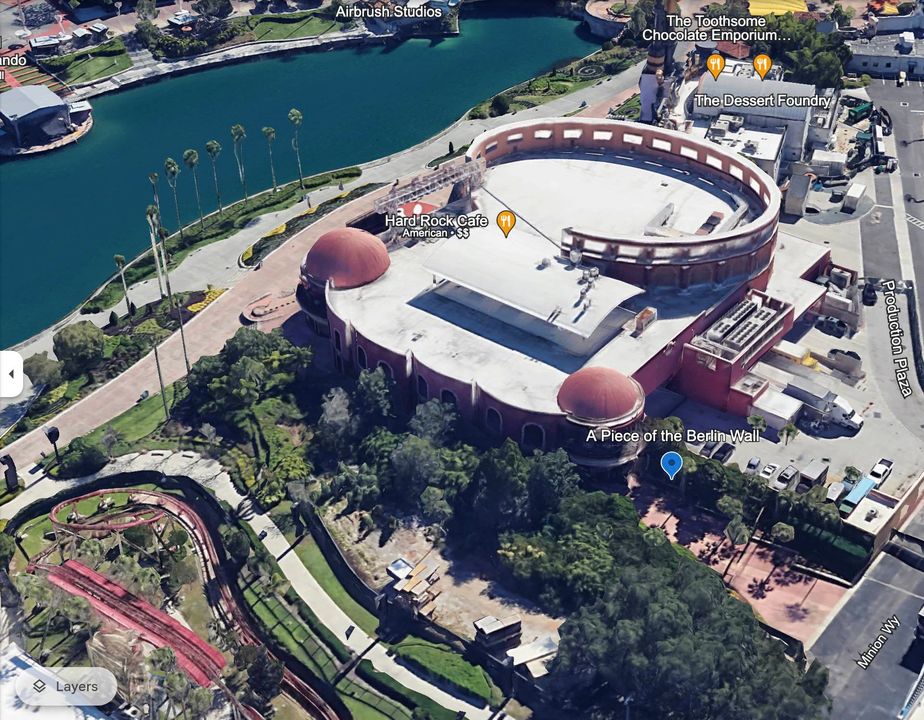
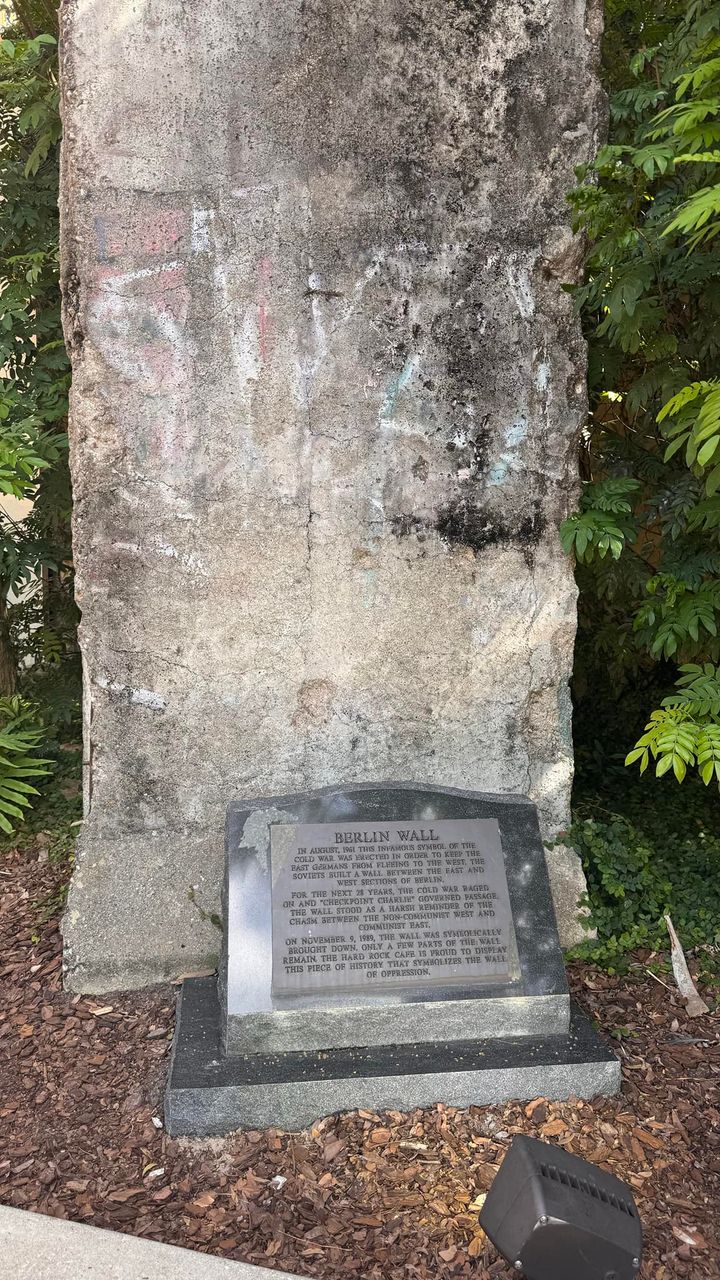
By the way, when I went to Orlando, I accidentally found remnants of the Berlin Wall in the backyard of the Hard Rock Cafe. There’s a path leading there, but no one ever goes because it’s a dead end. If you walk from the boardwalk along the side wall of the Hard Rock Cafe, you eventually hit the Universal Park fence, and right there is the back entrance to Hard Rock Cafe — presumably for groups from Universal Park (there’s a gate in the fence that opens for such purposes). And right there stands a hidden artifact.