Manhattan’s Historical Grid Design and Urban Expansion | June 26 2024, 15:42

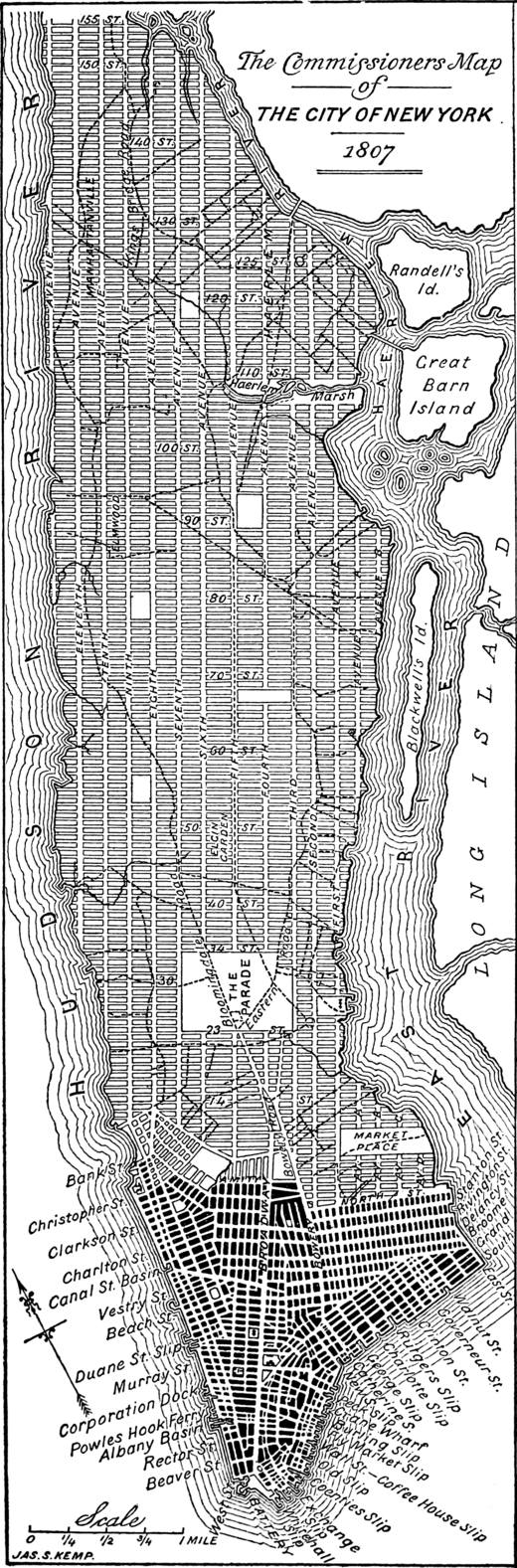
I’m reading about the general plan of Manhattan. The history of it is quite fascinating. When Europeans first settled in Manhattan, they built houses haphazardly. Back then, it was the Dutch who called the place “New Amsterdam.” After gaining independence, the USA saw a massive influx of migrants, and there was a pressing need to expand the city rapidly. Ultimately, in 1806, the authorities formed a commission of three people (Morris, Rutherfurd, De Witt) and gave them four years to devise a city plan. It was decided beforehand that any plan they came up with would be final. This commission did literally nothing for three out of the four years. Then, they started to make a move, meeting a few months before the deadline for key decisions. And they came up with a grid (see picture). In English, this is called a gridiron. They nowhere explained why they specifically chose a grid design. Probably because the deadline was just a few months away.

It’s interesting how the plan was then implemented. To transpose the grid onto the ground, nearly 1600 markers were installed — primarily square marble “monuments” with street numbers, located at every intersection. Where rocks prevented the use of marble markers, the rocks were blasted away, iron bolts were inserted, and encased in molten lead. In total, they set up 1549 marble markers and 98 iron bolts to delineate the grid pattern. Landowners who disagreed with the city cutting through their fields would dig everything up.

The famous Central Park, as it turned out, came about 70 years later, in 1876. On the map, you see The Parade—located further to the south—but the idea was originally to not build on this site, using it as an open space designated for military drills and as a rally point in case the city was invaded. At that time, they thought this Grand Parade could become the city’s “central park,” but over time the area gradually reduced, until what now remains is the current Madison Square Park. Just like that, it shrank from 97 hectares to 2.8 hectares. Optimized. At least Central Park eventually came into existence (341 hectares).

Broadway merged several streets that historically went against the grid (Bloomingdale and others).
What happens when Chinese have to print in Russian (weird font) | June 19 2024, 15:26

Today, there were reports about a visit to the sun-great by the sun-great, and there were banners with text on the streets.

And it made me think, why do the Chinese love to write everything in Cyrillic with this idiotic font, and where did it even come from? There are so many fonts nowadays.

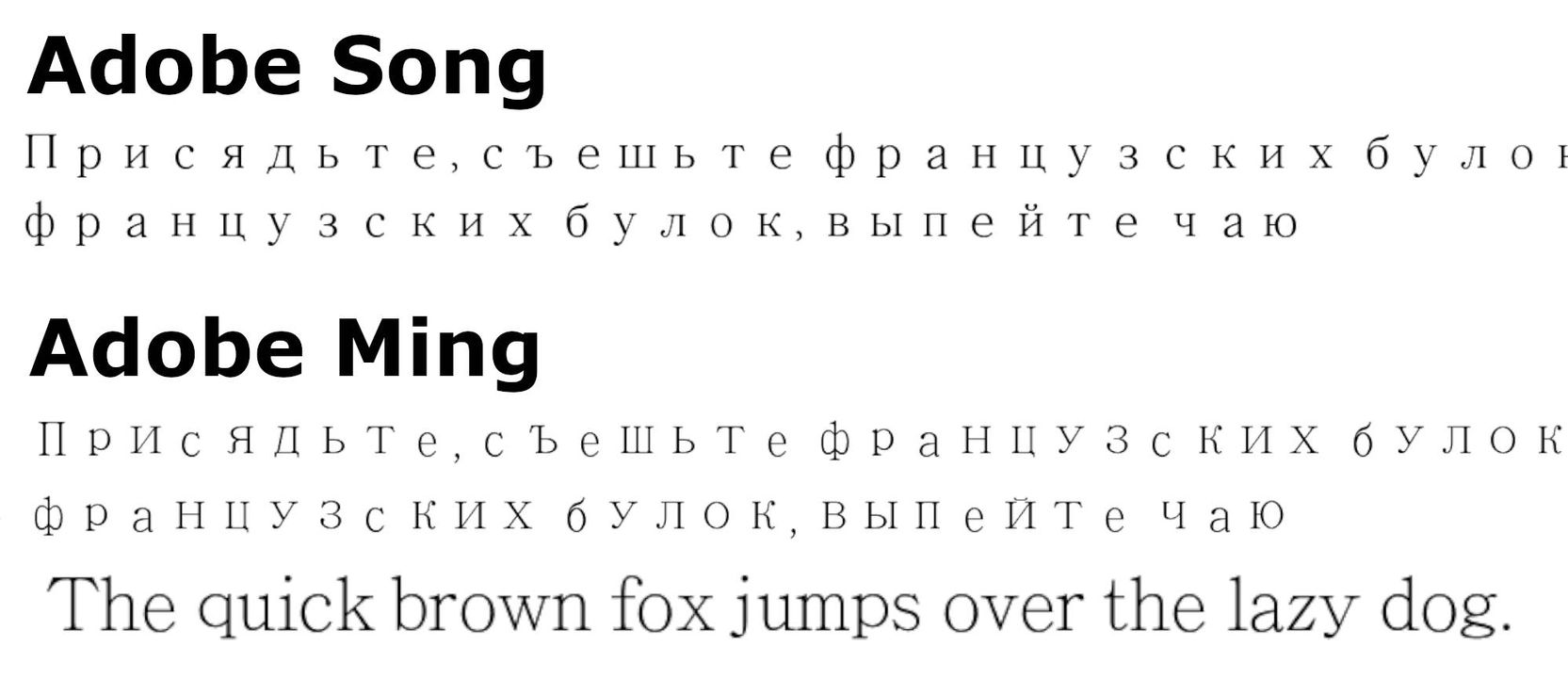
It turns out that Adobe and Microsoft are to blame. They included very poorly drawn fonts in their packages. And since the Chinese characters are of very good quality, the font is used everywhere, but the Cyrillic and even the Latin are just there for show. The main culprits are three – Adobe Ming Std L, Adobe Myungjo Std M (also called Adobe Ming), Adobe Song Std L. The most “eye-straining” one is Adobe Ming. With Latin, it’s more or less okay, but it seems that the Cyrillic was drawn by the Chinese themselves at the dawn of computer fonts, and it has not changed since then.

Flash has been delivered | June 18 2024, 19:01

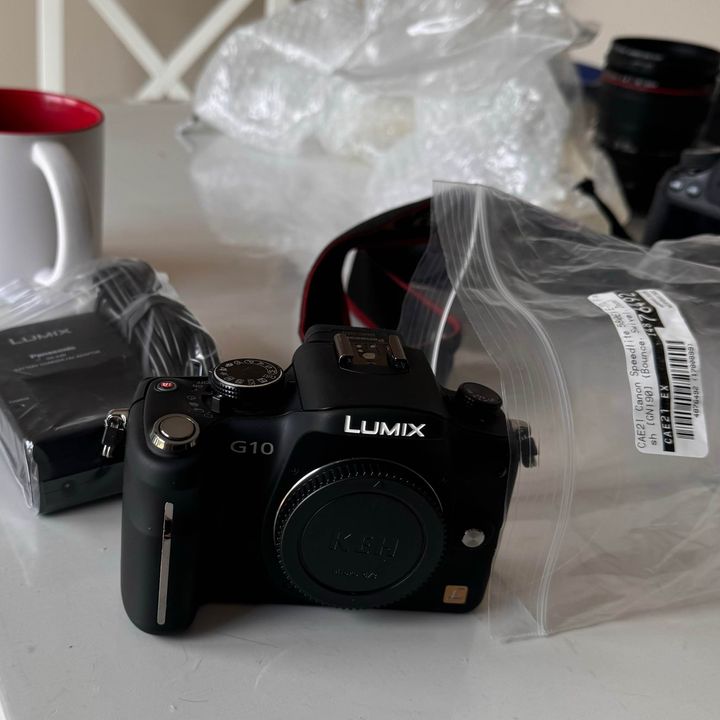
Received a package from KEH

Got a Canon 1:1.8 50mm lens for $33 (it’s brand-new/rf costs about $125-150, this one was sold “as is,” so no big loss if it doesn’t work, but it seems to be working so far)

I also ordered a Speedlight 580EX II for $43. It’s around $150 on FB Marketplace.

Received the flash.

Here it is.

Trying to figure out how to fit it into my Canon 6D

P.S. Placed another order.

A Stroll Through Science and Architecture at Janelia Research Campus | June 13 2024, 18:19

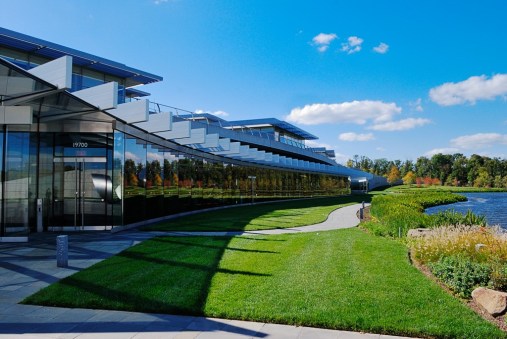
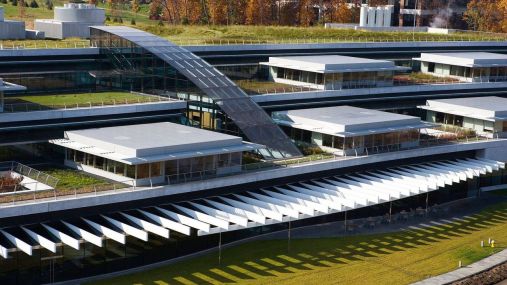
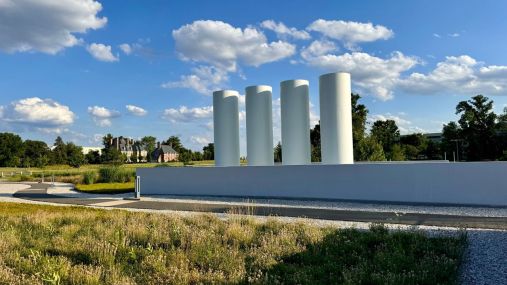
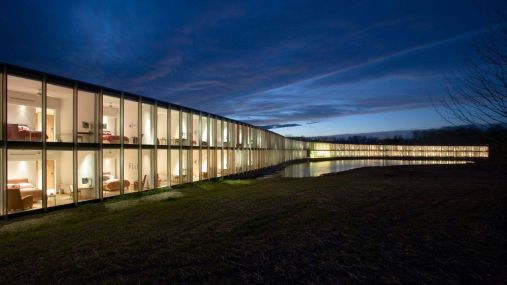
Yesterday, I took a walk with my dog at Janelia Research Campus. It is a research institute located in Ashburn, managed by the Howard Hughes Medical Institute (HHMI). This is a place where scientists in the biotech field live and work, including Nobel laureates. Right here, in 2020, they created a detailed map of neural connections in the brain of a fruit fly, which was an important step towards understanding how neural networks function. But today, it’s about the images. The campus was designed by Rafael Viñoly, an Uruguayan architect (The super-thin residential skyscraper in New York is his work).

1700 panels of structural glass (bearing the weight of the building) from Saint-Gobain Glass, Belgium. It would be interesting to get inside—after all, the biotech theme is somewhat close to my heart. Overall, it’s all open, come in, walk wherever you want, but it’s still not customary here, and one should respect the openness.

Today, just some photos from the walk (mixed with a few from the net).

All these have been standing for almost 20 years now.

Marilyn Monroe | June 12 2024, 15:11

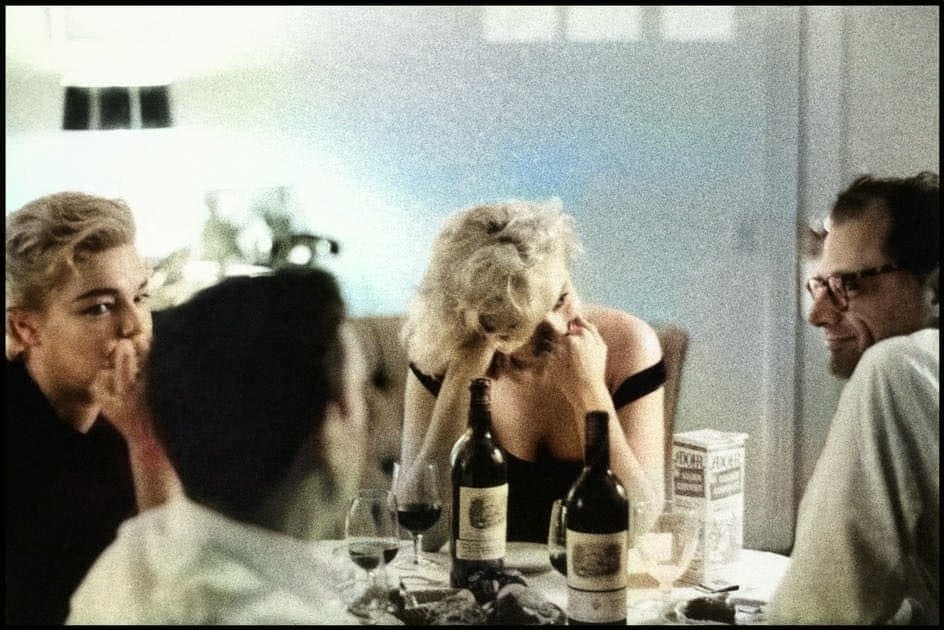
A fine photograph (colorization mine). Marilyn Monroe gazes at her husband Arthur Miller, who has grown cold towards her and is harboring plans for divorce. Miller looks at Yves Montand, a star of European cinema at the time, whose friendship flattered him. Yves Montand looks at Marilyn Monroe, already smitten with her, on the brink of an affair. Yves Montand’s wife, Simone Signoret, watches her husband — she wouldn’t have been a great actress if she couldn’t show warmth convincingly and with dignity in this situation. All in all, it’s complicated.

Taken by Bruce Davidson (1960), during the filming of Let’s Make Love, Beverly Hills Hotel

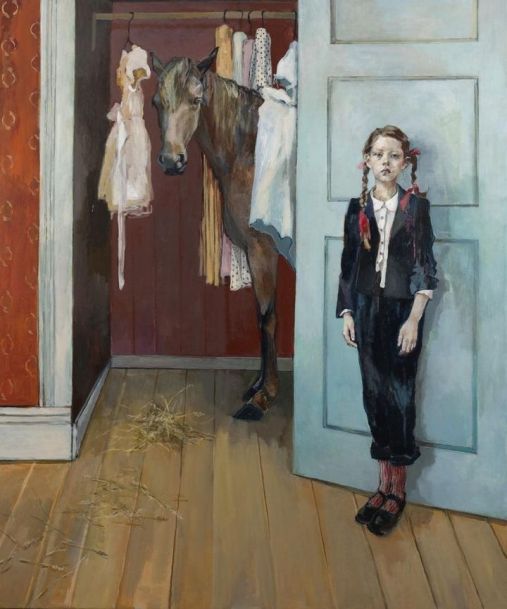
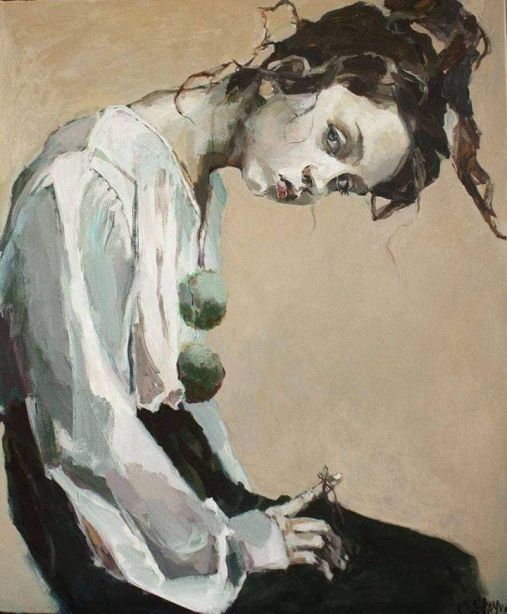
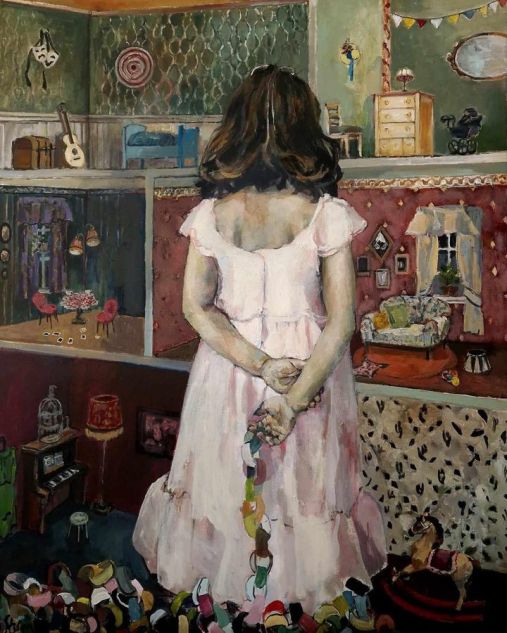
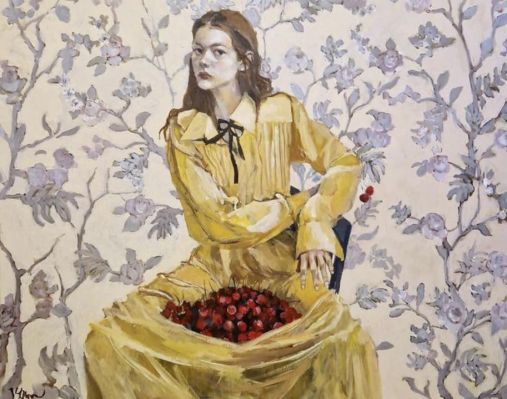
Unveiling Ingebjørg Frøydis Støyva | June 11 2024, 20:17

Today, let’s talk about the very interesting Norwegian artist Ingebjørg Frøydis Støyva (Ingebjørg Frøydis Støyva, 1978). The first painting with a horse in the closet is called ‘Can I keep him?’. Some people have skeletons in their closets, while others have a whole horse. I really love this artist. Generally, artists who embrace their quirks and create from that place are always fascinating.