Exploring Piano Mastery: The Benefits of an Amateur Approach | November 20 2024, 15:53

For those who play the piano — there’s a very interesting channel by Mikhail Proshin. I’ve been subscribed to it for a long time and have watched it for a while. Just to illustrate, here’s the latest from it. It has a good thought, very applicable to my case.

He talks about the trap of professional musicians (I am not professional). They often perceive music “top-down”– as a finished product that must be reproduced. This results in them giving equal attention to both fundamental and minor elements, which can hinder development and prevent enjoyment of the process. Amateurs, lacking high technical skill, simplify compositions, accompany themselves, and focus attention on the basic structures of music. This allows them to quickly understand and internalize musical basics, such as chords and harmonies, and use this experience in other songs. A professional might learn 100 songs without truly understanding them, and quickly forget many — this is just my case. An amateur, by simplifying 100 songs, can extract fundamental knowledge and build their own style on this basis, experiencing 100 situations of success.

The idea is that playing “from the bottom up” is not just simplification, but a conscious process that helps better understand music and enjoy performing it. A very good thought, indeed.

https://www.youtube.com/watch?v=Gs6Q25xIBBU

Global Museum Trek: Surprising Statistics and Desired Destinations | November 14 2024, 15:56

I decided to see which of the world’s largest museums I have visited and which ones still await me. I was quite surprised to find the Moscow Multimedia Art Museum in third place for visitors, after the Louvre and the Russian Museum, and ahead of New York’s Metropolitan, the National Gallery in Washington, the Hermitage, the Vatican, and the Tretyakov Gallery. I have never been to this Multimedia Art Museum, although I lived in Moscow for 17 years. Is it really that cool? Has been or is?

I also realized that we need to go to Madrid and Tokyo, with 4 museums in each, all pretty decent. In terms of the number of important and large museums, Paris (10) and London (8) of course lead, with Moscow in third place.

[X] Louvre (Paris)

[X] Russian Museum (Saint Petersburg)

[!] Multimedia Art Museum (Moscow)

[X] Metropolitan Museum of Art (New York)

[X] National Gallery of Art (Washington)

[X] State Hermitage Museum (Saint Petersburg)

[!] Queen Sofia Arts Center (Madrid)

[X] Vatican Museums (Vatican (Rome))

[X] State Tretyakov Gallery (Moscow)

[X] National Museum of Modern Art (Paris)

[X] British Museum (London)

[!] National Museum of Korea (Seoul)

[!] Prado Museum (Madrid)

[X] Royal Castle (Warsaw)

[X] Museum of Modern Art New York (New York)

[X] Tate Modern (London)

[!] Tokyo Metropolitan Art Museum (Tokyo)

[X] Musée d’Orsay (Paris)

[X] Somerset House (London)

[X] Uffizi Gallery (Florence)

[!] National Museum of Modern and Contemporary Art (Seoul)

[!] National Art Center (Tokyo)

[!] Shanghai Museum (Shanghai)

[X] Victoria and Albert Museum (London)

[!] Museum of New Zealand Te Papa Tongarewa (Wellington)

[!] Museum of European and Mediterranean Civilizations (Marseille)

[!] National Gallery of Victoria (Melbourne)

[X] Pushkin State Museum of Fine Arts (Moscow)

[!] National Gallery of Singapore (Singapore)

[X] National Gallery London (London)

[!] Fondation Louis Vuitton (Paris)

[X] National Museum in Krakow (Krakow)

[!] Thyssen-Bornemisza Museum (Madrid)

[!] National Gallery of Scotland (Edinburgh)

[!] Gyeongju National Museum (Gyeongju)

[X] Rijksmuseum (Amsterdam)

[!] Los Angeles County Museum of Art (Los Angeles)

[!] Hong Kong Museum of Art (Hong Kong)

[!] Musée du quai Branly (Paris)

[!] National Museum Tokyo (Tokyo)

[!] West Bund Museum of Fine Arts (Shanghai)

[!] UCCA Center for Contemporary Art (Beijing)

[X] Kunsthistorisches Museum (Vienna)

[X] Moscow Kremlin (Moscow)

[!] Frederik Meijer Gardens & Sculpture Park (Grand Rapids)

[!] Acropolis Museum (Athens)

[X] Guggenheim Museum Bilbao (Bilbao)

[X] Tate Britain (London)

[!] Petit Palais (Paris)

[!] Humboldt Forum (Berlin)

[!] Paris Bourse de Commerce (Paris)

[!] Getty Center (Los Angeles)

[!] Gallery of Modern Art (Brisbane)

[X] Museum of Fine Arts Houston (Houston)

[!] Whitney Museum of American Art (New York)

[!] Tel Aviv Museum of Art (Tel Aviv)

[X] Museum of Fine Arts Boston (Boston)

[!] Royal Academy of Arts (London)

[!] National Gallery of Australia (Canberra)

[!] Pudong Art Museum (Shanghai)

[X] Academy Gallery (Florence)

[!] Art Gallery of South Australia (Adelaide)

[!] Milan Triennale (Milan)

[!] Crystal Bridges Museum of American Art (Bentonville)

[!] Philadelphia Museum of Art (Philadelphia)

[!] Art Gallery of New South Wales (Sydney)

[!] Fabergé Museum (Saint Petersburg)

[!] National Palace Museum (Taipei)

[!] Virginia Museum of Fine Arts (Richmond)

[!] Cleveland Museum of Art (Cleveland)

[X] Garage Museum of Contemporary Art (Moscow)

[!] ARoS (Aarhus)

[!] Nelson-Atkins Museum of Art (Kansas City)

[!] Egyptian Museum of Turin (Turin)

[X] de Young Museum (San Francisco)

[!] National Museum of African American History and Culture (Washington)

[!] Museum of Decorative Arts (Paris)

[!] CaixaForum Barcelona (Barcelona)

[!] Kunsthaus Zurich (Zurich)

[!] Musée de l’Orangerie (Paris)

[!] M+ (Hong Kong)

[X] Van Gogh Museum (Amsterdam)

[!] Albertina Gallery (Vienna)

[!] Yorkshire Sculpture Park (City of Wakefield)

[!] Tomie Ohtake Institute (São Paulo)

[!] Queensland Art Gallery (Brisbane)

[!] Louisiana Museum of Modern Art (Humlebæk)

[!] World Museum (Liverpool)

[X] Smithsonian American Art Museum (Washington)

[X] National Portrait Gallery (Washington)

[!] MMCA National Museum of Modern and Contemporary Art (Seoul)

[!] Belvedere Museum (Vienna)

[!] Art Gallery of Ontario (Toronto)

[!] Saint Louis Art Museum (Saint Louis)

[!] Imperial War Museum (London)

[!] Pinacoteca do Estado de São Paulo (São Paulo)

[!] Tokyo Palace (Paris)

[!] Fondation Beyeler Museum (Riehen)

[!] National Museum of Modern Art, Tokyo (Tokyo)

[!] CaixaForum Madrid (Madrid)

Exploring Multilingual Nuances in Nabokov’s Lolita | November 14 2024, 00:24

Do you know what a cowcatcher is (English version – cowcatcher, literally a cow catcher)? It’s that red thing at the front of a steam locomotive.

Eventually, about halfway through the book Lolita, I set aside the English version and started reading the Russian one from the beginning. With English, the pacing of my reading lacks; I find myself wanting to Google something in every paragraph. In Russian, I only started googling by page 55.

Though I lie. I also paused at the phrase tant pis, which Nabokov left in French. Apparently, it cannot be briefly translated into Russian or English (the footnote “too bad”? – a silly translation). It is used to express regret that something went wrong but also implies acceptance of the situation since nothing can be changed now. I think the perfect translation would be “oops!”

Digitizing Dilemma: NTSC vs PAL in a Community Makerspace | November 12 2024, 22:41

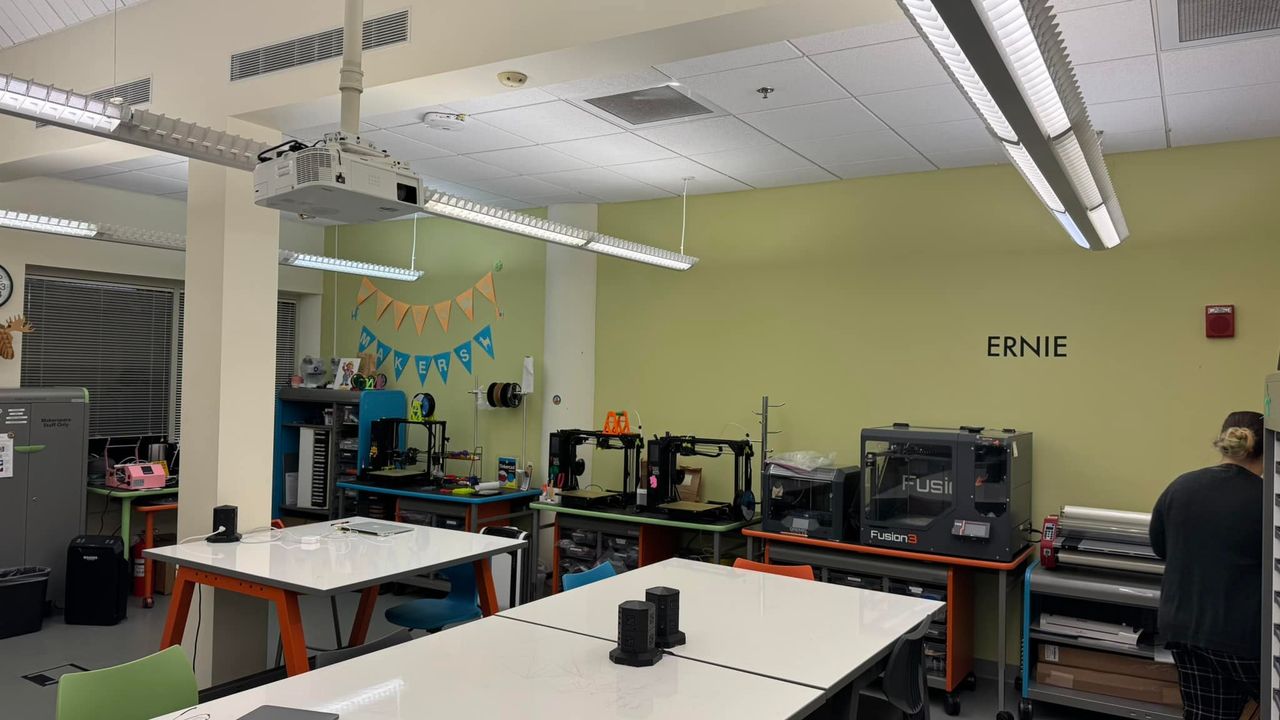
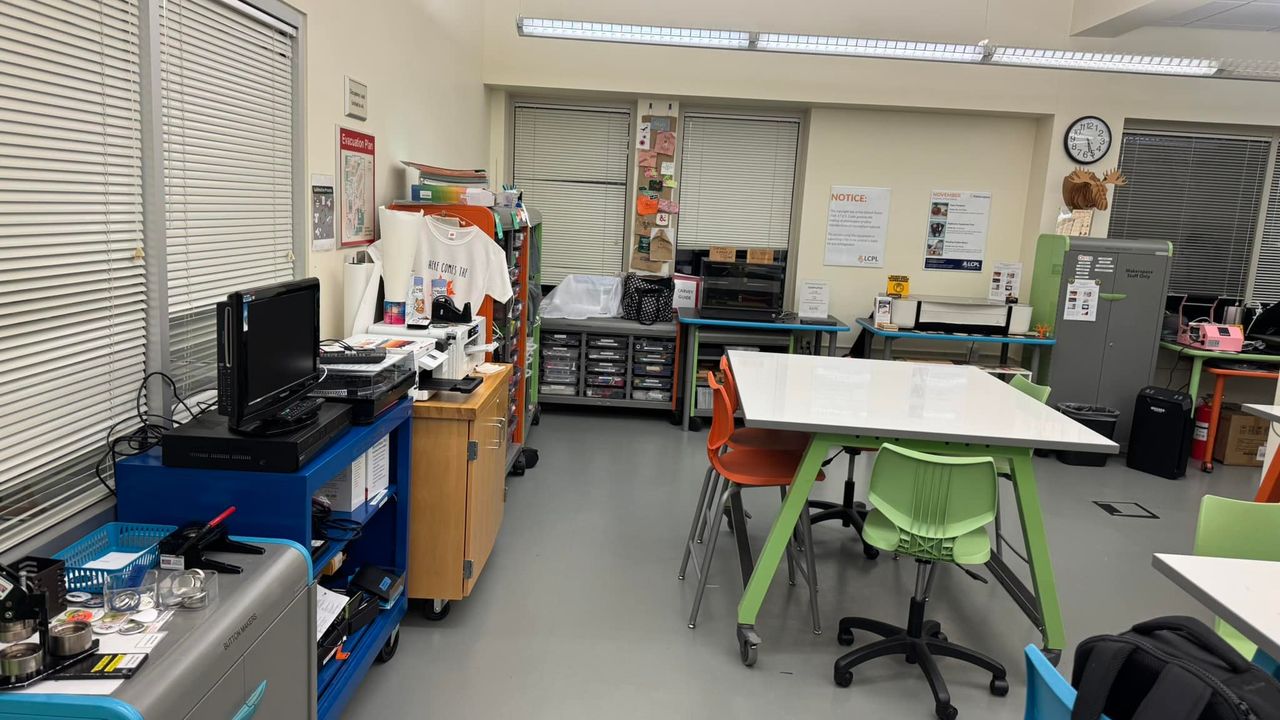
Brought over from Russia around 20 videotapes of three different formats, all filled with recordings from the past. Here in the city library of Leesburg, we have a free makerspace where one can use all sorts of equipment, from 3D printers and carvers to even sewing machines, and, joy of joys, a station for digitizing old videotapes.

Everything is absolutely free, though you do have to pay a bit for consumables. For example, for 3D printers, it’s the plastic. But for the video converter, it’s nothing at all.

Overall, I don’t think I’d sit through all 20-30 hours while all the tapes were being digitized, but I would at least figure out where to start, then hand it over to someone else (I’ve already found a few options).

And I came without any identification, and certainly without a library card. But nobody even asked for them.

In the end, I’m returning empty-handed.

The problem turned out to be that their VCR is NTSC, while my tapes were recorded in Russia and are therefore in PAL. In the PAL format, video is recorded at a resolution of 720×576 pixels (or 625 lines in the case of VHS) at 25 frames per second, while in NTSC, it’s 720×480 pixels (or 525 lines) at 29.97 frames per second, plus there’s different color modulation.

Now, I need to find out if any of these numerous services support capture from PAL.

Family Memories on “This is My Child” with Tatyana Lazareva | November 11 2024, 21:07

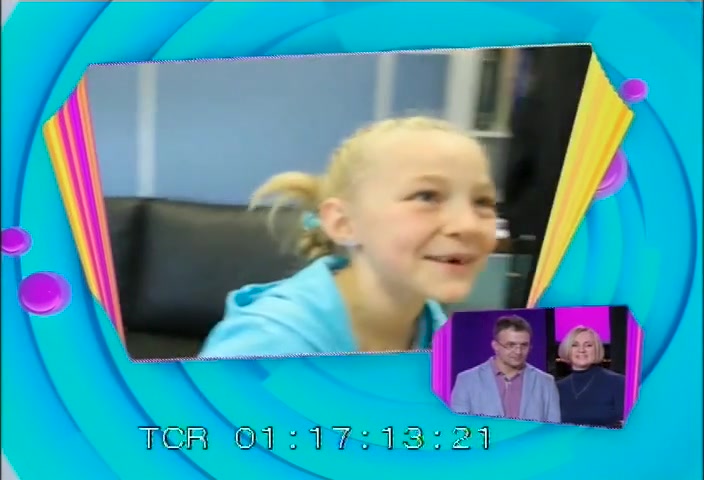
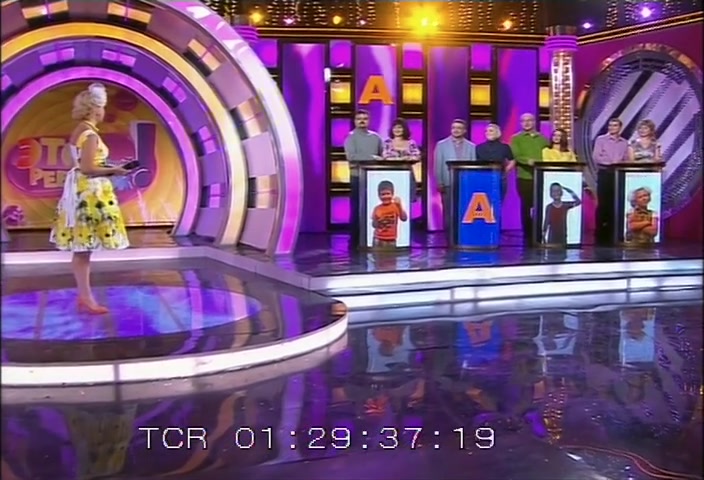
Back in 2012, Nadya, seven-year-old Masha and I appeared on TV, on the show “This is My Child” with Tatyana Lazareva (who was declared a foreign agent by the state ten years later). Today, I finally got around to the disk with the video. Here are three short clips, a few minutes each, they are quite amusing!

Challenges of Training a Shiba Inu with Unpredictable Eating Habits | November 11 2024, 16:22

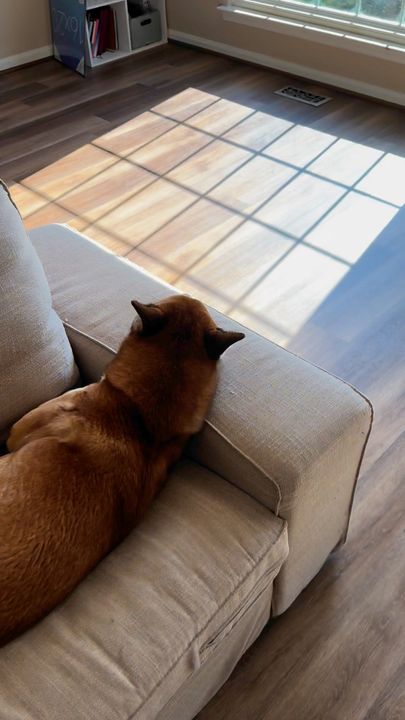
This explains why training our Shiba Inu is such a challenge. Food generally doesn’t motivate him. It’s been at least 12 hours since he last ate. We had breakfast long ago, and lunchtime is approaching. And here you are, bringing him warm boiled meat, which generally he likes, but if it isn’t his usual mealtime, he doesn’t understand why he’s been given meat when he didn’t ask for it. And his response is like — what’s this for, just put it in the bowl, I’ll eat it eventually. And it’s been this way all 3.5 years. Moreover, he almost always eats when someone is at home. If nobody’s around, he’d rather sleep. So leaving food for him and going away almost guarantees you’ll come back to find it untouched. Overall, he enjoys tasty food, and when it is indeed time to dine or have dinner, he eats with great pleasure whatever you give him.

In general, when he doubts whether to eat the meat from the bowl or not, and after thinking it over decides to leave, the trick is to pull out a piece of meat and offer it from your hand. If he eats it (and if he’s already by the bowl, he’s more likely to eat from your hand), his decision will likely change. And within a minute, the bowl will be empty.

Or take cheese, for instance. On one hand, when we pour some wine and get a cheese platter to make watching a series or movie more fun, Yuka also comes over to watch the cheese, drooling copiously, ready to eat a kilogram of it at any time. But you need to pour the wine and turn on the projector. If, however, you bring cheese at some random time or anytime outdoors, his reaction to the cheese will be the same as to a stone.

Cinema Ballet: A Stunning Fusion of Film and Dance | November 10 2024, 22:16

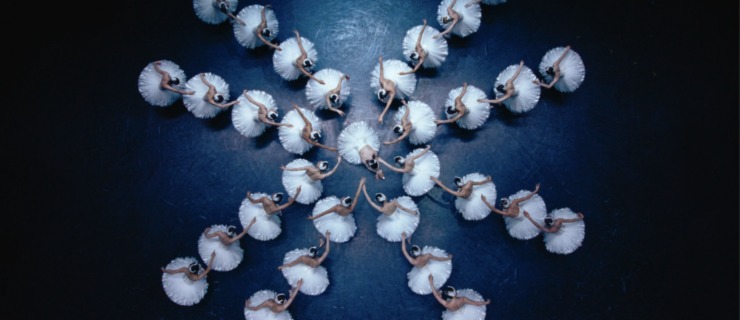
This was our first ballet in a cinema, and the experience turned out to be simply stunning. It was very hard not to applaud (the projectionist?). Rich colors, intricate costumes, amazing detail, very good sound, which gave the full feeling of sitting in front of the orchestra pit. Yes, what’s happening on stage is a flat picture, but unlike the static front row at the Paris de Bastille theater, where your eyes are at the level of the performers’ heels, here the best angle is chosen for each scene, thanks to the moving camera. Altogether, a very interesting experience.

The production itself was luxurious. Odette/Odile was performed by Korean Se Yun Park — seemingly the first Asian etoile at the Paris Opera. Paul Marc played the role of Prince Siegfried.

This was a daytime session on the last day, plus ballet in cinema is still not more popular than Marvel comics. There were about ten other people in the auditorium besides us.

Spoiler: Both the prince and the swan end up dying majestically. Poor bird 😢 Right after that, we headed to a restaurant to eat duck.

Incidentally, it turns out that directors choose the ending according to their own taste in different productions. In the 2012 production by the State Ballet of Siberia, Siegfried and Rothbart drown in the lake; in the 2015 production by the English National Ballet, Siegfried’s love breaks the curse and the other swans defeat Rothbart; and in the 2018 production by the Royal Ballet, Siegfried rescues Odette from the lake, but she is already dead.

The Fabrication of Poet James Clifford | November 04 2024, 15:33

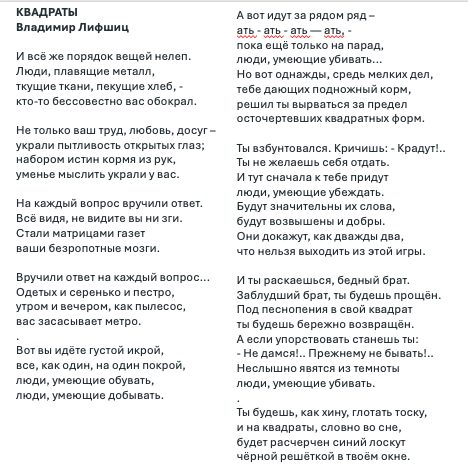
This is an excerpt from the poem “Square” by English poet James Clifford, translated by Vladimir Livshits. Clifford was a man with a remarkable destiny, crushed in the vices of two world wars. He was born on the eve of World War I, in 1913 in London, and died in 1944 while repelling a German tank attack in the Ardennes.

Paradoxically, the legacy of the young English poet was better known in the Soviet Union than in his homeland. While in England they asked, “Who is Mr. Clifford?”—in the USSR, his new poems were regularly published from the mid-sixties onward. Thanks must be given to his translator—Vladimir Livshits. He was the first to translate into Russian the famous, seemingly familiar lines from “Retreat in the Ardennes”: “There were five of us left. In a chilly dugout. The command had lost its mind. And was already fleeing.”

But Livshits didn’t just translate these lines; he practically “sanctified” them, because James Clifford, the young English poet who fell in 1944 while repelling the German attack, was for Livshits not just a translation subject but also his own creation. The real James Clifford, who supposedly was born in London, lost his parents early, and was raised by a grandfather—a connoisseur of English and Scottish folklore—never actually existed. Following Walter, Livshits repeated: “If Clifford did not exist, it would be necessary to invent him.” And he invented him.

For decades, Livshits published his own poems in the Soviet Union, presenting them as translations of the non-existent English poet James Clifford.

(taken from the video “Armen and Fedor,” “Comrade Hemingway: How the USSR reforged the novel ‘For Whom the Bell Tolls’?”)

This is how you hack the system 🙂

* * *

SQUARES

Vladimir Lifshits

.

And yet the order of things is absurd.

People, melting metal,

weaving fabric, baking bread—

Someone has shamelessly robbed you.

.

Not just your labor, love, leisure—

They stole the curiosity of open eyes;

Feeding truths by handfuls,

They robbed you of the ability to think.

.

For every question, they handed an answer.

Seeing all, you see nothing at all.

Your unquestioning minds

Have become matrices of newspapers.

.

They have handed an answer for every question…

Dressed both drab and colorful,

Morning and evening, like a vacuum cleaner,

The metro swallows you up.

.

Here you go, dense as caviar,

All cut from the same cloth,

People who can shoe,

People who can procure.

.

And here they go, row upon row—

March – march – march — march,

So far only for parades,

People who can kill…

.

But one day, amidst the trivial affairs,

Feeding you crumbs,

You decided to break out

From the tiresome square forms.

.

You rebelled. You scream: “They steal!”—

You refuse to comply.

And first, those will come to you

Who know how to persuade.

.

Their words will carry weight,

They will be exalted and kind.

They will prove, as twice two,

That you cannot leave this game.

.

And you will repent, poor brother.

Misguided brother, you will be forgiven.

To chants, you’ll be gently returned

Back to your square.

.

And if you persist:

– I won’t give in!.. No going back!…

Silently, from the shadows

Will come those who know how to kill.

.

You will gulp your despair like henna,

And on squares, as if in a dream,

A blue patch will be lined

With a black grid in your window.

Unveiling a Lost Chopin Waltz: Discovery, Recording, and Mystery | November 01 2024, 14:52

So, here Chopin has released a new single.

This year, in the New York library and the Morgan museum’s vault, a manuscript of a previously unknown waltz was found—short and likely unfinished. After thorough analysis, experts concluded that it indeed belongs to Chopin, identified by his handwriting, specific features, dating, etc. Chopin has roughly 250 works and up to 28 waltzes, of which only nine were published; the rest were lost or destroyed, making this newly discovered piece incredibly rare.

The unsigned waltz was never officially acknowledged by Chopin, remaining unpublished and out of the public eye. Little is known about its origin and its possible acquisition by A. Sherrill Whiting Jr., the director of the New York School of Interior Design. From there, a close friend, Arthur Sacks, bought the piece from Whiting’s wife, Jean, and donated it to Morgan in 2019. It has only recently undergone expert examination.

Lang Lang recorded and posted the performance.

https://youtu.be/Poq0VrCF2vo?si=cD8zAyGbG36UW3c_