“Pay What You Want” Model at Museums | August 20 2024, 18:19

I’m heading to the Folger, it’s a museum. In Washington, almost all museums are free, but this one has an interesting “Pay What You Want” concept. When purchasing a ticket, there is a field for the amount and the quantity. The suggested amount is $15. You can pay nothing. The Metropolitan Museum in New York used this model for a long time, now it only applies to locals and students.

It’s worth mentioning that many other museums operate differently. There, you need to buy tickets, but there’s no coercion. For example, at the High Museum of Art in Atlanta, you can enter and immediately go to the gallery. There is no one checking tickets. But in the most conspicuous place, there is a spot where tickets are sold, for a high price — $23. Interestingly, many such places have a cunning method — you first go to the shop (obviously, no ticket needed for the shop), and then from the shop, you move to the museum (the shop is so far from the ticket booth that often no one sees it). I once used this method (although, I had actually bought a ticket the day before; the ticket is only valid for one day).

Laundry and Loyalty: Servitude in 19th Century England | August 19 2024, 02:33

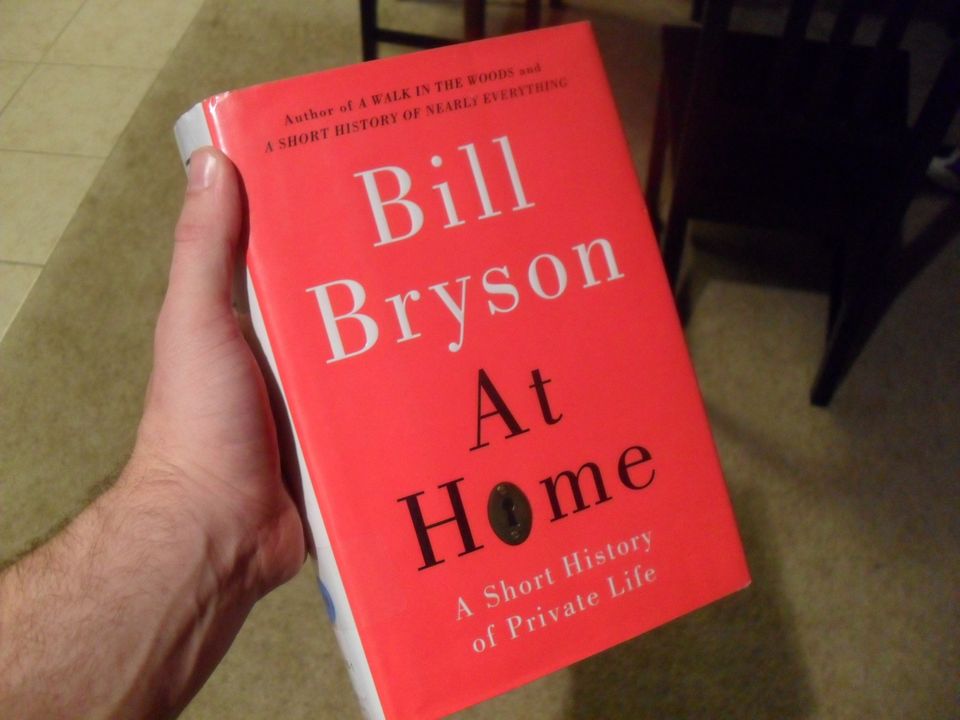
I am currently reading At Home by Bill Bryson. It is very interesting to learn about laundry in the 19th century in England. Plus, I will add something interesting at the end about the relationship with the servants.

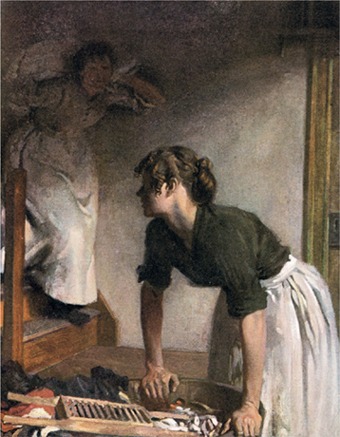
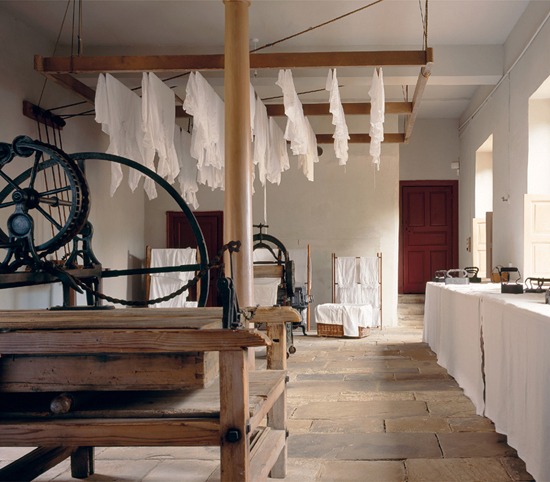
“At the very bottom of the servant hierarchy were the laundresses, who were so inconspicuous that they were often kept virtually out of sight. They were brought laundry to wash, rather than collecting it themselves. Laundry was considered such a despised task that, in large houses, servants were sometimes sent to the laundry room as a punishment.”

Since there were no detergents before the 1850s, most laundry had to be soaked in soapy water or lye for several hours, then vigorously beaten and scrubbed, boiled for an hour or longer, repeatedly rinsed, hand-wrung or (after about 1850) passed through a mangle and taken outside to be hung on fences or spread on the lawn to dry.

One of the most common crimes in the countryside was the theft of drying laundry, so often someone had to stay nearby until it dried.

Overall, according to Judith Flanders in The Victorian Home, a simple wash—for example, sheets and other household linens—included no fewer than eight different processes. Difficult or delicate fabrics had to be handled with the utmost care, and items made from different types of fabrics–such as velvet and lace–often had to be carefully taken apart, washed separately, and then sewn back together.

Because most dyes were unstable and fickle, precise doses of chemicals had to be added to the water of each wash to preserve or restore color: alum and vinegar for green, baking soda for purple, vitriol (actually concentrated sulfuric acid) for red. Each experienced laundress had a catalog of recipes for removing various kinds of stains.

Linen was often soaked in sour urine or a diluted solution of bird droppings, as this had a bleaching effect, but since such mixes (unsurprisingly) smelled bad, they required additional intense rinsing, usually in some kind of herbal extract, to soften the smell.

Starching was such a labor-intensive process that it was often postponed to the next day.

Ironing was yet another complex and daunting task on its own. Irons cooled quickly, so they had to be used swiftly and then exchanged for freshly heated ones. Usually, one iron was in use while two were being heated. The irons themselves were heavy, but still required strong pressure to achieve the desired results. Without temperature control, it was easy to scorch fabric, and fabric and clothes were very expensive. Heating irons on the fire often led to the development of scales, so they constantly needed to be wiped. If starch was used, it stuck to the bottom of the iron, which then had to be sanded down with sandpaper or a scrubbing board.

The invention of detergent—as shown in this 1890s advertisement—eased, at least, part of the heavy labor of laundresses.

On laundry day, it was often necessary for someone to get up at 3 a.m. to prepare the hot water. In homes with only one servant, it was often necessary to hire an outside laundress for the day. Some homes sent their laundry out, but until the invention of carbolic acid and other powerful disinfectants, this was always accompanied by the fear that the laundry would come back infected with some terrible disease, such as scarlet fever.

There was also an unpleasant uncertainty about whose clothes were being washed with yours. Whiteley’s store, a major London department store, offered laundry services starting in 1892, but it was not successful until the store manager thought to place a large advertisement stating that servants’ and clients’ clothes were always washed separately. Until the 20th century, many of London’s wealthiest residents preferred to send their weekly laundry to their country estates by train, to be washed by people they trusted.”

And so as not to get up twice, an interesting story about Hanna Cullwick, now known for her memoirs. She kept a very detailed diary for 40 years, practically every day recording various details of her life and work.

So, besides this diary, more accurately, much more than this diary, her contemporaries appreciated something quite different. For thirty-six years, from 1873 until her death in 1909, she was secretly married to her employer, a civil servant and little-known poet named Arthur Munby. Arthur never disclosed their relationship to family or friends. When they were alone, they lived as husband and wife, but when guests came, Cullwick again became a servant. If overnight guests stayed, Cullwick left the marital bed and slept in the kitchen. Among Munby’s friends were such well-known people as the art critic John Ruskin, pre-Raphaelite artist Dante Gabriel Rossetti, and poet Robert Browning. They often visited his home, but none of them knew that the woman who called him ‘sir’ was actually his wife. Even alone, the relationship between Munby and Cullwick was, to put it mildly, somewhat unconventional. At his command, she called him ‘master’ and dyed her skin to look like a slave. As it turned out, she kept the diaries mainly so he could read about how “she got dirty.”

Only in 1910, after his death and the announcement of his will, did this news become known, causing some scandal. It was this strange marriage, not her touching diaries, that made Hanna Cullwick famous.
Exploring Historical Fencing and Wavy Walls: A Journey through Architectural Ingenuity | August 19 2024, 01:35

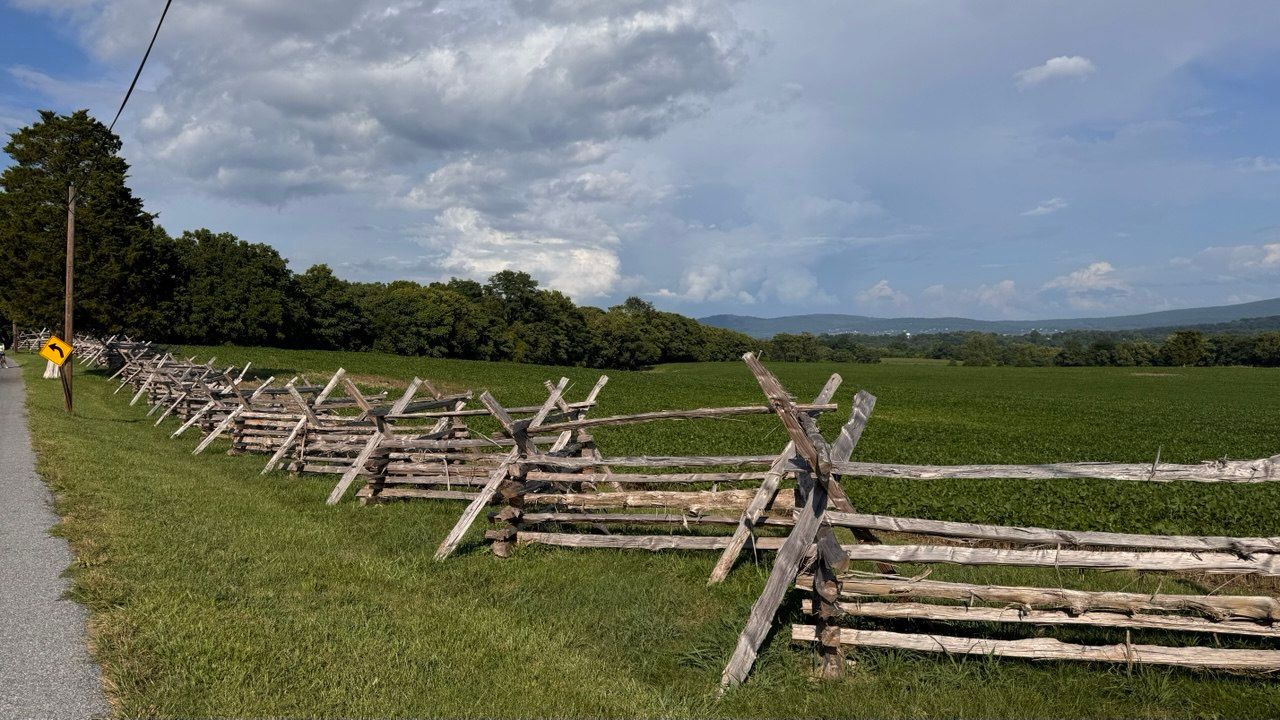
Today we went biking in Sharpsburg, where the Antietam National Battlefield is located. I was drawn to the zigzag-shaped fence, which is called a Buck-and-rail fence in English—a fence made of posts and rails. It was widely used in the US, particularly in rural areas, from colonial times up to the 19th century.

The unique feature of such fences is that they are very quick and easy to build on any terrain—no nails are needed, and the way the parts connect ensures everything holds together naturally very tightly. If a hypothetical cow were to try and push this fence, it would only drive itself deeper into the ground and “strengthen” further.

I found this interesting also because it reminds me of a similar structure made of bricks but wavy this time. It’s particularly common in England, but you can find it in the US too. For instance, the University of Virginia has had such walls for two hundred years.

The most interesting aspect of the wavy wall is that this type of construction uses FEWER bricks than building a straight and even wall of the same strength. When constructing a regular flat wall, bricks are typically laid in at least two layers to ensure its strength, whereas a wavy wall allows for saving on bricks and using just a single layer. Its stability is provided by the alternating convex and concave bends.

Bill Bryson, At Home | August 10 2024, 00:37

I’m reading At Home by Bill Bryson. Every so often, he hurls at me so many unfamiliar words in one sentence that there are hardly any familiar ones left.

Ptarmigan, sturgeon, larks, hare, woodcock, gurnet, barbel, smelts, plover, snipe, gudgeon, dace, eels, tench, sprats, turkey poults and many more largely forgotten delicacies featured in Mrs Beeton’s many recipes

Jefferson and his contemporaries enjoyed tayberries, tansy, purslane, Japanese wine berries, damsons, medlars, seakale, screwpine, rounceval peas, skirrets, cardoons (a thistle), scorzonera (~salsify), lovage, turnip-cabbage, and scores more that nowadays are encountered rarely or not at all.

These treasured concoctions could involve any number of ingredients – beeswax, bullock’s gall, alum, vinegar, turpentine and others even more startling.

Pepper accounted for some 70 per cent of the spice trade by bulk, but other commodities from further afield – nutmeg and mace, cinnamon, ginger, cloves and turmeric, as well as several largely forgotten exotics such as calamus, asafoetida, ajowan, galangal and zedoary – began to find their way to Europe, and these became even more valuable

Nineteenth-century pattern books offered homeowners an almost infinite array of shapely, esoterically named motifs – ovolos, ogees, quirks, crockets, scotias, cavettos, dentils, evolute spirals, even a ‘Lesbian cymatium’, and at least two hundred more – with which to individualize projecting surfaces of wood or plaster, and Mr Marsham chose liberally, opting for bubble-like beading around the doorcase, fluted columns at the windows, ribbony swags fluttering across the fireplace breast and a stately show of repeating demi-hemispheres in a style known as egg-and-dart around the ceiling trim.

Here’s something else interesting:

Although he is hardly read now, Horace Walpole was immensely popular in his day for his histories and romances. He was a particularly adept coiner of words. The Oxford English Dictionary credits him with no fewer than 233 coinages. Many, like ‘gloomth’, ‘greenth’, ‘fluctuable’ and ‘betweenity’, didn’t take, but a great many others did. Among the terms he invented or otherwise brought into English are ‘airsickness’, ‘anteroom’, ‘bask’, ‘beefy’, ‘boulevard’, ‘café’, ‘cause célèbre’, ‘caricature’, ‘fairy tale’, ‘falsetto’, ‘frisson’, ‘impresario’, ‘malaria’, ‘mudbath’, ‘nuance’, ‘serendipity’, ‘sombre’, ‘souvenir’ and, as mentioned a few pages back, ‘comfortable’ in its modern sense.

Nancy Guzik | July 27 2024, 13:38

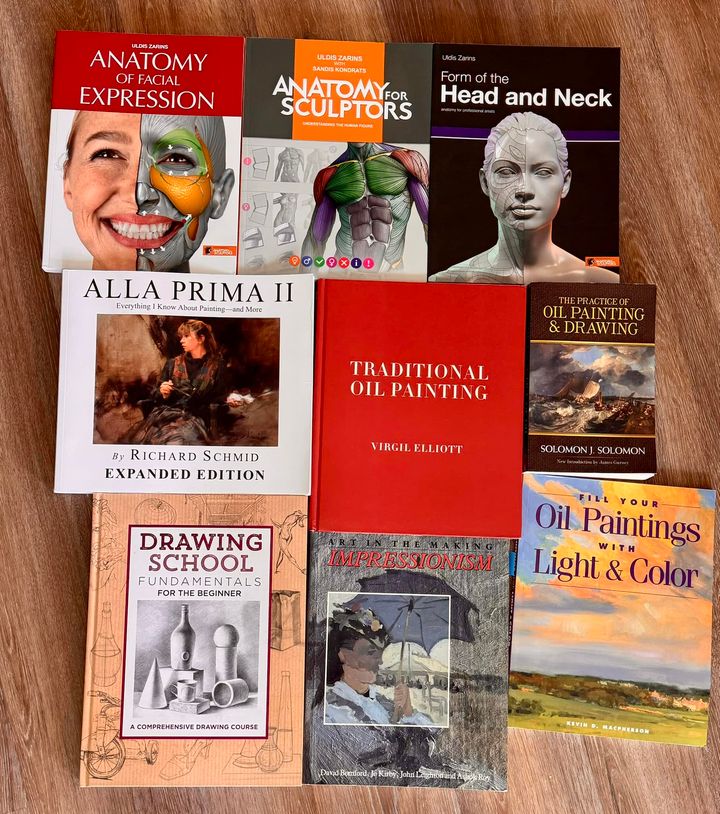
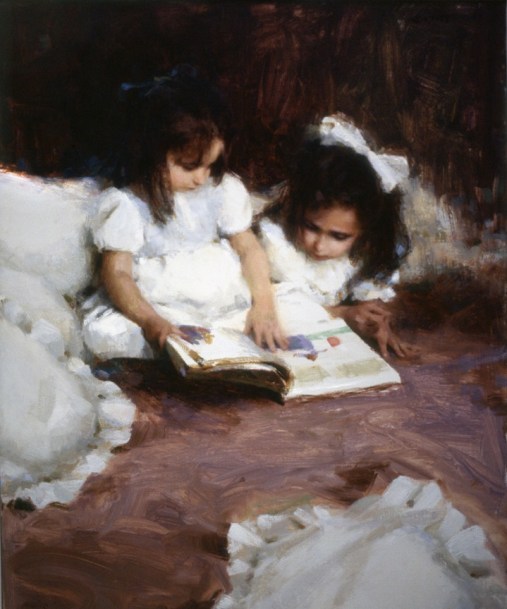
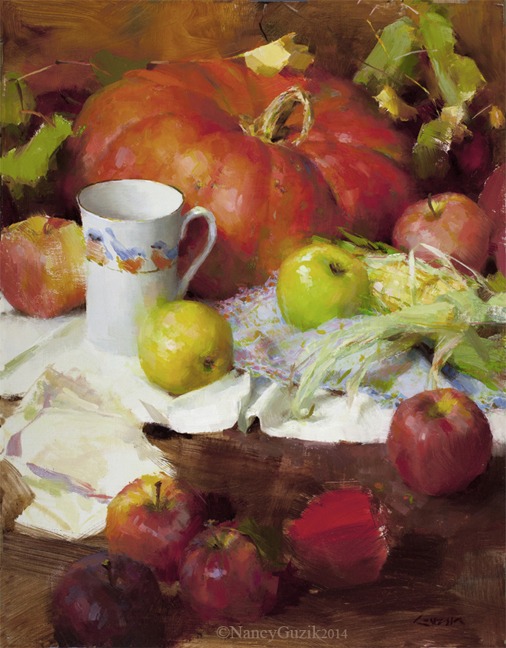
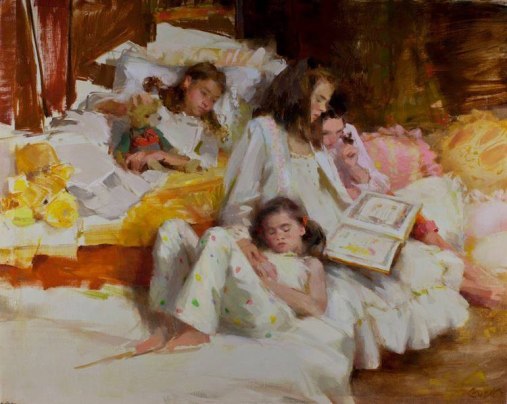
Artist Nancy Guzik is the wife of Richard Schmid, whose book Alla Prima II I am almost finished reading (50 pages left, I can’t read it any slower, it’s so great!). And she is also on the cover of this book. Her paintings adhere to the standards set by her husband. That’s actually how they met each other 🙂 However, when you seek out her works, Richard’s legacy tends to eclipse everything. Richard passed away three years ago, and she is mostly recognized for preserving his memory and promoting his books. Her artwork frequently graces the pages of the book, as she does in Richard’s paintings, and it’s quite evident, thus I must mention her among my favorite artists. She has created several paintings, all from life, all stunning. In the comments, I will post a brief video by Nancy herself discussing a painting featuring four children and a book.

I remind you that similar posts can be found under the tag #artrauflikes, and at beinginamerica.com in the “Art Rauf Likes” section, where all 98 posts (unlike Facebook, which forgets (ignores) almost half of them) are available.

Yummi | July 26 2024, 23:40

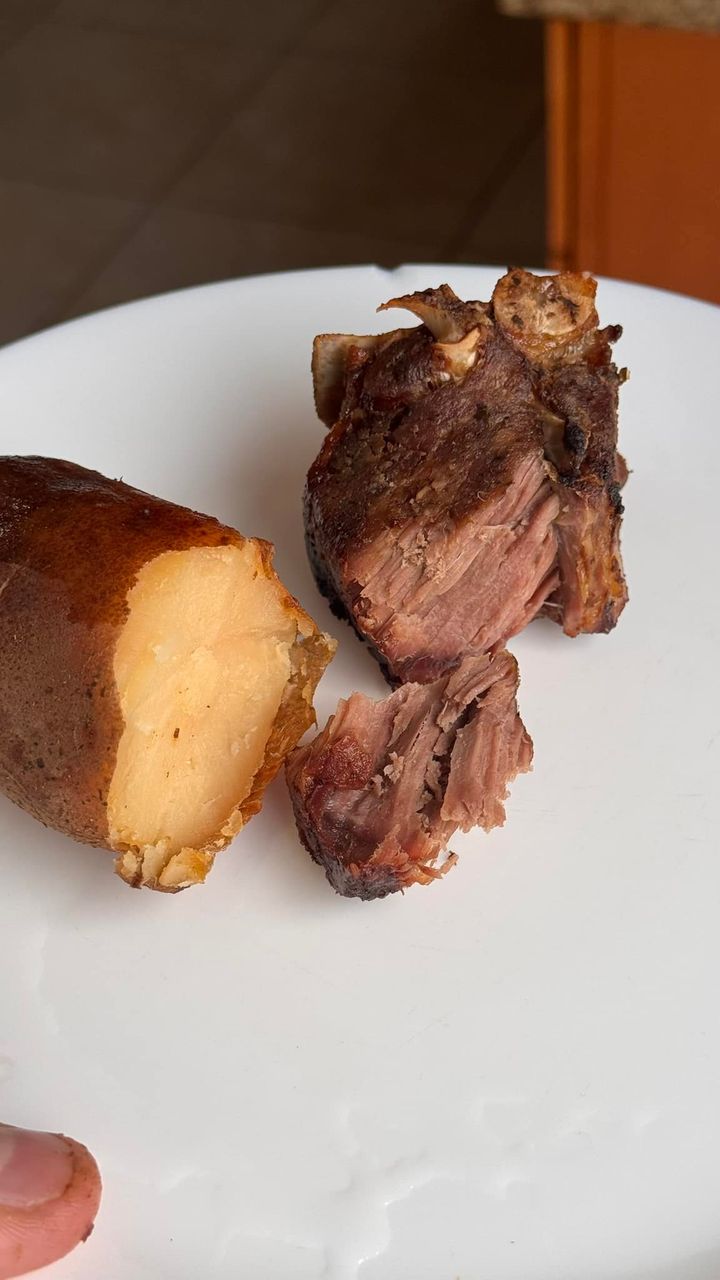
I once shared how convenient it is to cook soup with a pressure cooker — ten minutes to chop potatoes, carrots, and onions, throw in the meat, add water, press the button and it’s ready in an hour.

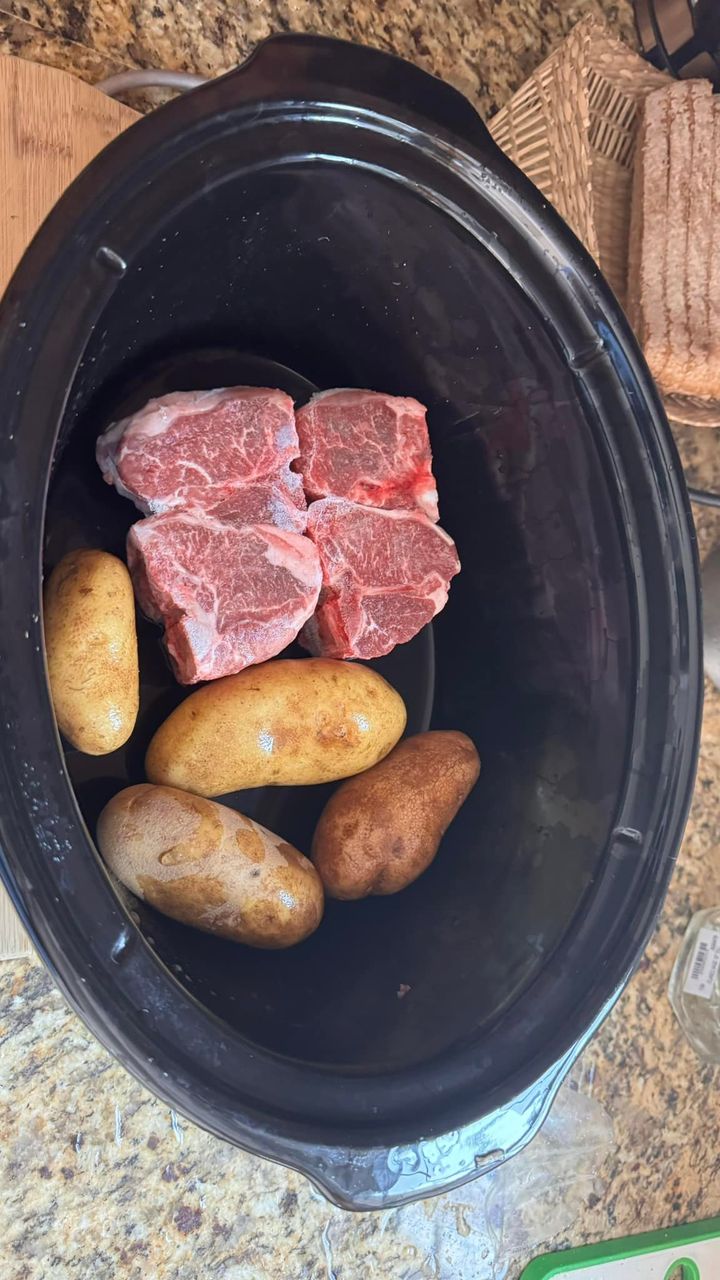
I pulled out the slow cooker from the garage — cooking with it is even simpler (and the food turns out very, very delicious). Just throw meat and potatoes into an empty pot. Ideally, of course, wash them first. And that’s it. Press the button and after a few hours, you get very tasty, very tender meat with real baked potatoes. Just today, I slightly overdid it (seven hours, of which four were on high, which is admittedly too much). Still very tasty, but it could have been a tad better, something for next time. Ribs, in particular, turn out great only this way. They are fatty and need to be cooked long.

Glass | July 05 2024, 07:04

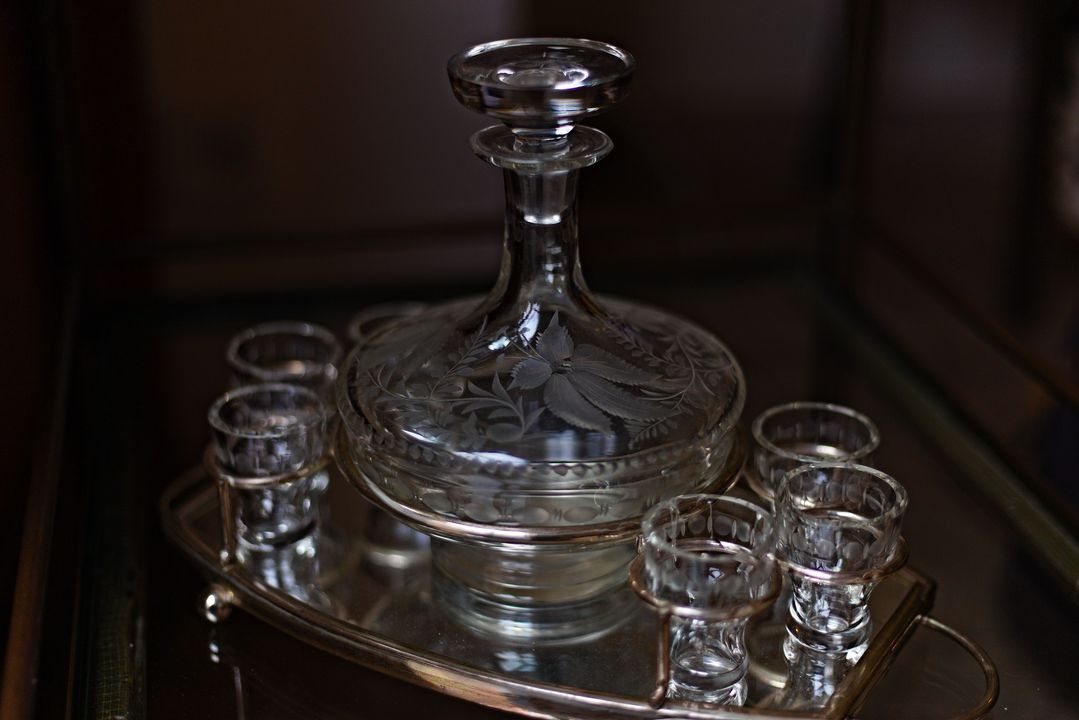
I take out my camera twice a year when I travel away from my home sweet home. For this trip, I also purchased a flash and a lens. Probably, the cafes in Prague are used to tourists hopping around artifacts with cameras. Well, at least, I’ll shoot dozens of references for future oil paintings.

(“Living Nature” will follow later, I’ll need to sort through tons of photos)

They said it was a bug | July 04 2024, 09:08

It turned out that Prague was bombed at the end of World War II by mistake. Just a glitch. There was a rounding error in the navigation or something of the sort. 62 B17 aircraft, each loaded with sixteen 500-pound bombs, got lost over Prague. More than 50 tons of explosives were dropped on the populated areas of Prague. The explosions covered Radlice, Vyšehrad, Zlíchov, Charles Square, Nusle, Vinohrady, Vršovice, and Pankrác. 701 people died, 1,184 were injured, and 11,000 Praguers suddenly found themselves without a roof over their heads. The raid did not damage factories or military strategic targets. War is like that, chaotic.